Colloidal silver is one of the most talked-about “natural antibiotics” online. Before you buy it, read why health regulators in Canada and the US warn against taking it, and what silver’s real history in medicine looks like.

Similar Posts
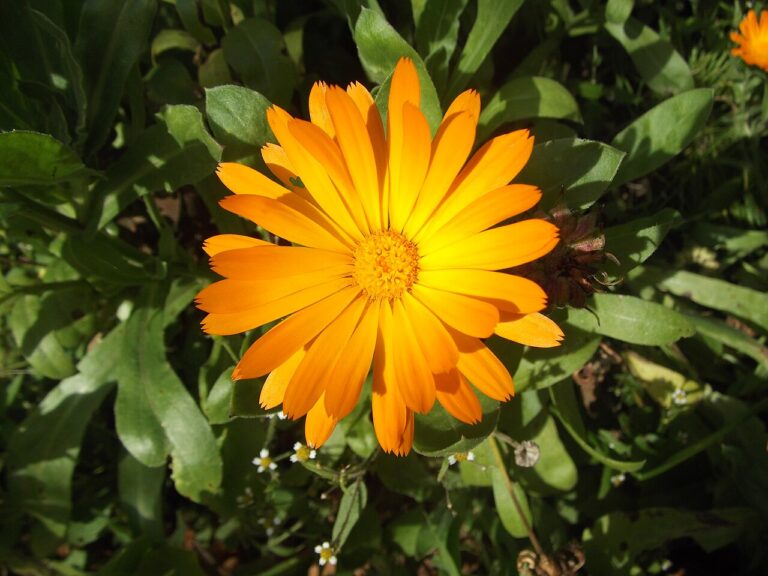
Calendula
The bright orange "pot marigold" of cottage gardens, used for centuries to soothe sore skin and dress wounds. Today it's one of the best-known herbs in creams, salves and baby balms.
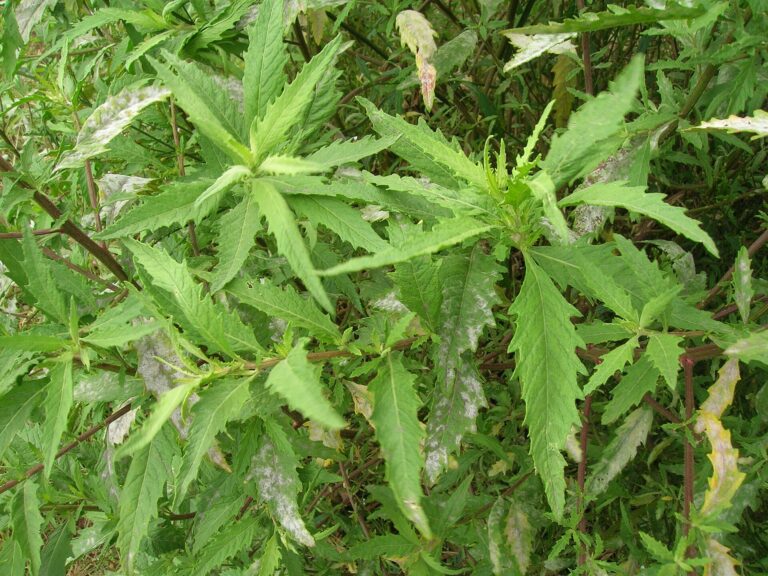
Epazote (Safety Profile)
Epazote is a pungent Mexican kitchen herb traditionally stirred into a pot of beans, and it has a long folk history as a worm remedy. Its seed oil, though, is a known poison, so here's where the uses come from and what to know before you go beyond a sprig in the pot.
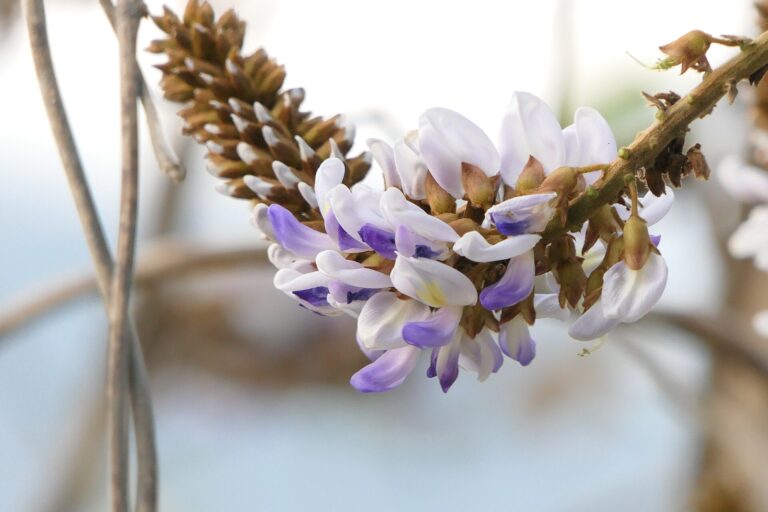
Vidari (Indian Kudzu)
Vidari is a sweet, cooling Ayurvedic root used as a strength-building rejuvenative, a traditional aid for new mothers' milk, and a pitta-soothing herb in acid-indigestion regimes. Here's what the tradition says, the (mostly animal) research on its isoflavones, why it's often mixed up with other "vidari" roots, and who should skip it.
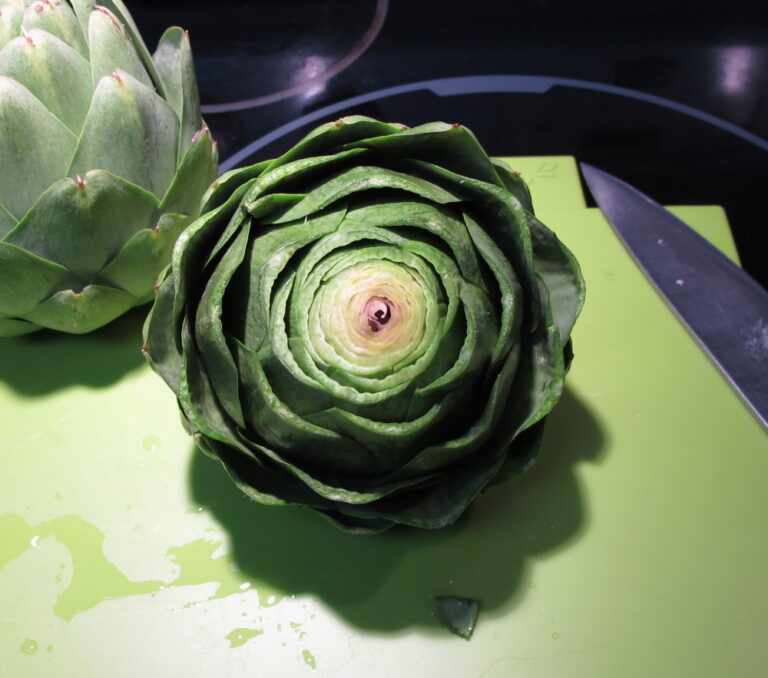
Artichoke Leaf
Artichoke leaf is the bitter green leaf of the globe artichoke, a European digestive herb that people use to support bile flow and the liver. Members get the full entry: what the human studies show, typical amounts from the official European monograph, and who should skip it (especially anyone with gallstones).
Vitamin C
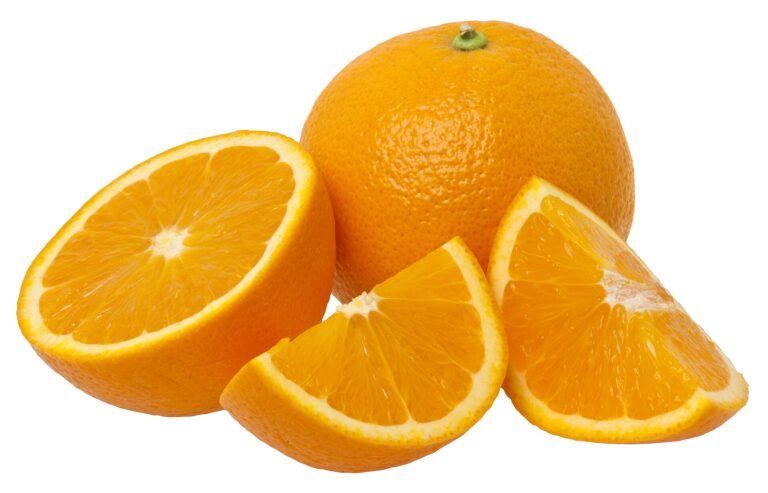
Vitamin C is the vitamin most people reach for at the first sniffle. Here's what it actually does in your body, which foods cover your needs, what the cold research really shows, and when "more" stops helping.
Bacopa (Brahmi)
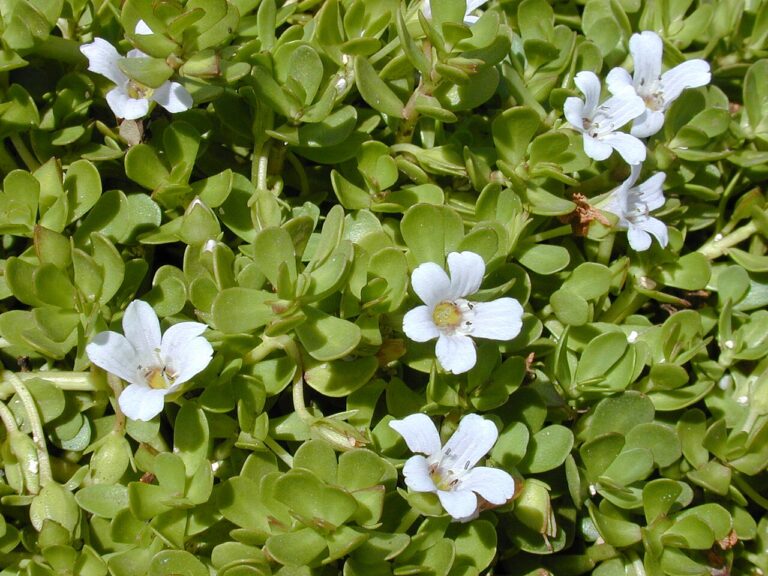
Bacopa is the creeping wetland herb Ayurveda has prized for centuries as a "medhya" tonic for memory and the mind, and one of the most-studied memory herbs today. Members get the full profile: every traditional use, what the trials really showed, the official amounts, and the side effects and drug interactions to know first.