Your heart has a pump. Your lymph doesn’t.
That one fact explains a lot about why naturopaths talk about the lymphatic system so much.
Your body carries more lymph vessels than most people realise. They run alongside your blood vessels, collecting fluid, waste and debris from your tissues and carrying it back toward your bloodstream.
But nothing squeezes that fluid along on its own schedule. You do. Every step, every deep breath, every stretch.
Here’s how the system works, the simple habits people use to keep it moving, and the herbs traditionally used to support it.
Quick take
- Your lymph system has no central pump. Muscle movement, breathing and small contractions in the vessels themselves keep lymph flowing.
- Walking, deep belly breathing, water and gentle bouncing are the everyday habits naturopaths lean on first.
- Cleavers, red root and calendula are traditionally used to support the lymph. Swollen nodes that don’t settle need a doctor, not a cleanse.
What your lymphatic system actually does
Think of it as your body’s drainage and patrol network.
Every day, fluid leaks out of your tiny blood vessels into the spaces around your cells. Most of it goes back on its own. The rest is picked up by lymph vessels, and that fluid is now called lymph.
Along the way, lymph passes through hundreds of lymph nodes: small bean-shaped filters in your neck, armpits, groin, belly and chest. They’re packed with immune cells that check what’s passing through.
So the lymph system has three big jobs:
- Drainage. It returns extra fluid to your blood so your tissues don’t swell.
- Immune patrol. Nodes filter lymph and help your immune system spot trouble.
- Fat transport. Special lymph vessels in your gut carry absorbed dietary fats.
When naturopaths talk about “detox pathways”, the lymph is one of the big ones. It’s the route waste from your tissues takes before your liver and kidneys deal with it.
The catch: there’s no pump
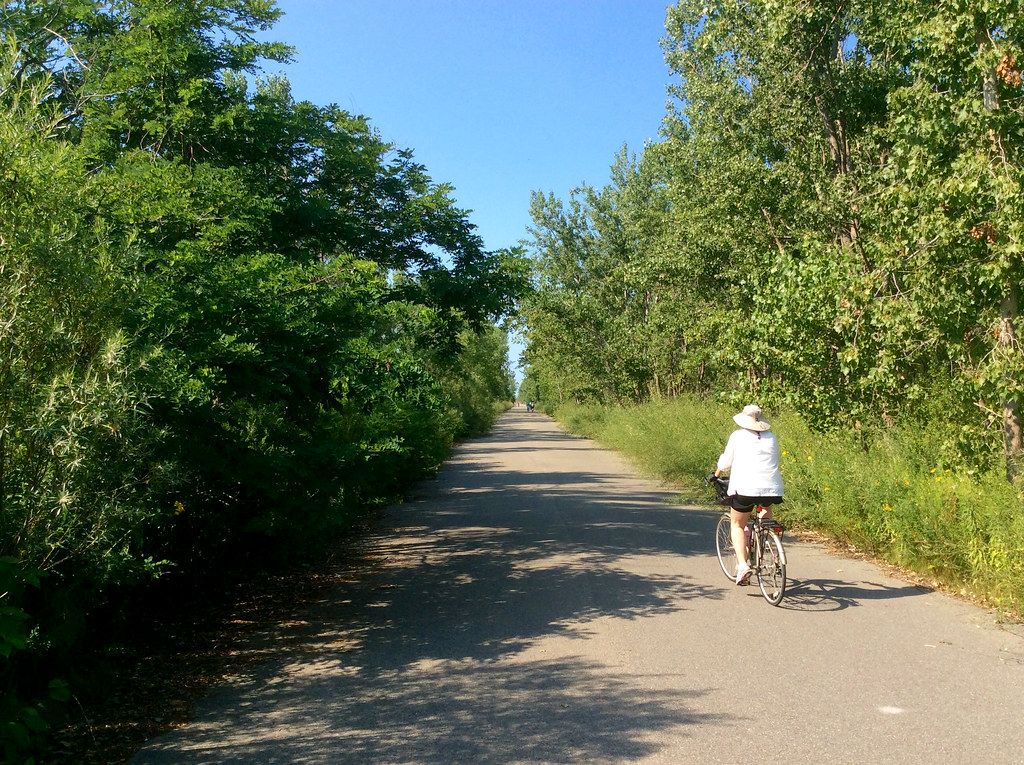
Blood has the heart pushing it around. Lymph has to hitch a ride.
It moves thanks to:
- Your muscles. When your calves, thighs and arms contract, they squeeze nearby lymph vessels.
- Your breathing. Each deep breath changes the pressure in your chest and belly, which helps draw lymph up toward the big ducts near your collarbone.
- The vessels themselves. Lymph vessels have muscle in their walls that contracts gently, and one-way valves that stop the fluid sliding backward.
Notice the pattern? Two of the three depend on what you do.
Sit at a desk for eight hours, breathe shallowly from your chest, and the system has less help. That’s why naturopaths often see puffy ankles at the end of a long flight or a long workday as a sign the lymph needs more movement.
Signs naturopaths link to sluggish lymph
These are common, everyday signs. Many have other causes too, so treat them as a nudge to move more, not a diagnosis.
- Puffy ankles, feet or fingers, especially after sitting
- Waking up stiff or “heavy”
- Puffiness around the eyes in the morning
- Feeling run down after long stretches of inactivity
- Getting every cold that goes around
Your lymph moves when you move. No supplement can do your walking for you.
Five everyday ways people keep lymph moving
None of these cost much. Most cost nothing.
1. Walk, often
Your calf muscles are sometimes called a “second heart” because each step squeezes fluid up your legs. A short walk every hour does more than one long session at the end of the day.
2. Breathe from your belly
Slow, deep breaths that move your belly (not just your chest) are one of the simplest lymph habits there is. We covered breathing for your lungs in Breathe easier: natural ways people support their lungs, and the same habit helps here.
3. Drink enough water
Lymph is mostly water. Naturopaths start with steady sipping through the day rather than gulping a litre at once. Your needs depend on your size, activity and health, so check with your doctor if you have heart or kidney concerns.
4. Bounce gently
Rebounding means light bouncing on a mini trampoline. Heels lift, feet barely leave the mat. It’s a long-standing favourite in natural health circles for getting lymph moving. Skip it if you have joint, balance or heart problems unless your provider says it’s fine.
5. Dry brush or self-massage
Dry brushing uses a soft, natural-bristle brush in long, light strokes toward the heart. Gentle self-massage works the same way. The research on dry brushing is thin, but many people like it as a two-minute morning ritual. Keep the pressure light: lymph vessels sit just under the skin.
Medical lymphatic drainage, done by trained therapists, is a real therapy used for lymphedema. That’s a different thing from a home routine, and it needs specialist care.
Herbs traditionally used for the lymph
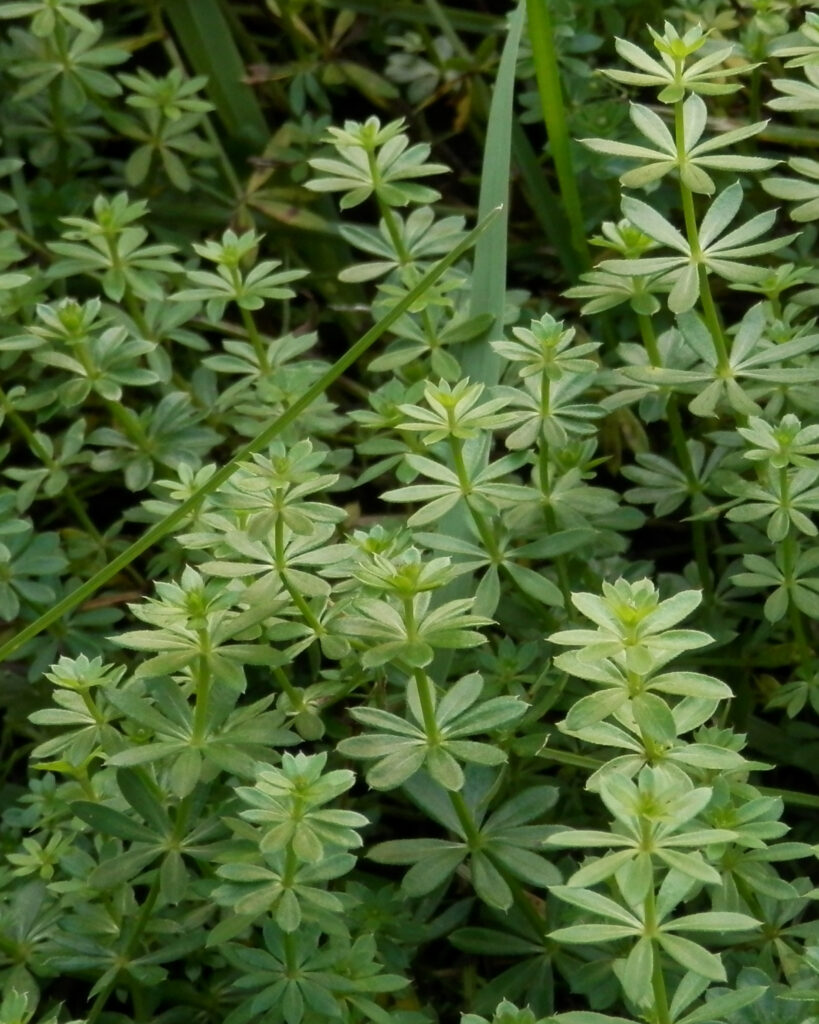
Western herbalists have a small group of plants they call “lymphatics”. The research on them is limited, so this is mostly traditional use.
Cleavers (Galium aparine)
The sticky weed that clings to your socks on a walk. Herbalists have long used it as a spring tonic and a gentle lymph herb, usually as a fresh juice, a cold infusion or a tincture. It’s considered mild. Amounts vary by product, so follow the label.
Red root (Ceanothus americanus)
Also called New Jersey tea. Traditional North American herbalists used the root for swollen glands and a congested feeling in the lymph. It may affect blood clotting, so it’s not for anyone on blood thinners.
Calendula (Calendula officinalis)
Best known as a skin herb, calendula is also traditionally used as a tea to support the lymph and immune system. Avoid it if you’re allergic to daisies, ragweed or marigolds.
Red clover (Trifolium pratense)
A classic “blood cleanser” in old herbals. It contains plant estrogens, so avoid it with hormone-sensitive conditions, blood thinners, pregnancy or breastfeeding.
Want the bigger picture? The free Lymphatic Support Protocol lays out how these habits fit into the Prepare, Eliminate and Re-Build phases. And if you’re thinking about any cleanse, read Why most detoxes backfire first.
Who should be careful
- Anyone pregnant or breastfeeding: skip lymph herbs unless your provider approves.
- Anyone on blood thinners: avoid red root and red clover.
- Anyone with heart failure, kidney disease or swelling in one leg: talk to your doctor before trying any lymph routine.
- Anyone who has had lymph nodes removed or radiation for cancer: lymphedema care comes from a specialist, not a home protocol.
- Anyone with a ragweed or daisy-family allergy: be careful with calendula.
When to see a doctor
Lymph nodes swell when they’re working, like during a cold. That usually settles in a couple of weeks. Get checked if you notice:
- A swollen node that lasts more than two weeks, keeps growing, or feels hard and doesn’t move
- Swollen nodes with fever, night sweats or weight loss you can’t explain
- Sudden swelling, pain or redness in one leg or arm (this can be a clot and needs urgent care)
- Swelling with shortness of breath or chest pain (call emergency services)
- Swelling in an arm or leg after cancer surgery or radiation
Try this today
Set a timer for every hour you’re sitting. When it goes off, stand up, take five slow belly breaths, then do 20 calf raises (up on your toes, back down). Under two minutes, and your lymph gets the help it’s been waiting for.
Go deeper in the Vault
Vault members get the Lymphatic System: everything in the Vault hub, with the complete step-by-step Lymphatic Protocol, safety notes and a place to ask questions on the Members Q&A board.
Educational only, not medical advice. This information has not been evaluated by the FDA or Health Canada and is not intended to diagnose, treat, cure, or prevent any disease. Talk to your healthcare provider before starting any remedy, supplement, or detox, especially if you are pregnant, nursing, taking medication, or managing a health condition. Read our full Medical Disclaimer.