Almost every cleanse protocol has the same quiet sidekick. Not the herb that gets the headlines. The binder.
Think of it like cleaning a kitchen floor. Loosening the dirt is one job. Mopping it up is another. In naturopathic detox thinking, binders are the mop.
Here’s what the four big ones are (charcoal, clay, chlorella and pectin), what they’re traditionally used for, how people time them around food and medicines, and who should skip them altogether.
Quick take
- Binders are substances that grab onto other things in the gut so they leave the body in the stool instead of being reabsorbed.
- Charcoal, clay, chlorella and pectin each work a little differently, and each has its own cautions.
- They don’t pick and choose: they can bind medicines and nutrients too, so timing matters, and regular bowel movements come first.
What a binder actually does
Your liver sends some of what it processes out through bile, into the gut. Some of that can be picked back up further down the line. Naturopaths call this loop “recirculation”.
A binder is meant to interrupt it. It’s a material that holds onto other substances (by surface charge, by sheer surface area, or by forming a gel) and carries them out with the stool.
That’s why binders show up in so many protocols: parasite cleanses, heavy metal routines, mould recovery plans and general “spring clean” programs. The idea is simple. If you’re stirring things up, give them a way out.
One catch. A binder can’t tell the difference between what you want gone and what you want to keep. That one fact shapes every rule below.
Activated charcoal
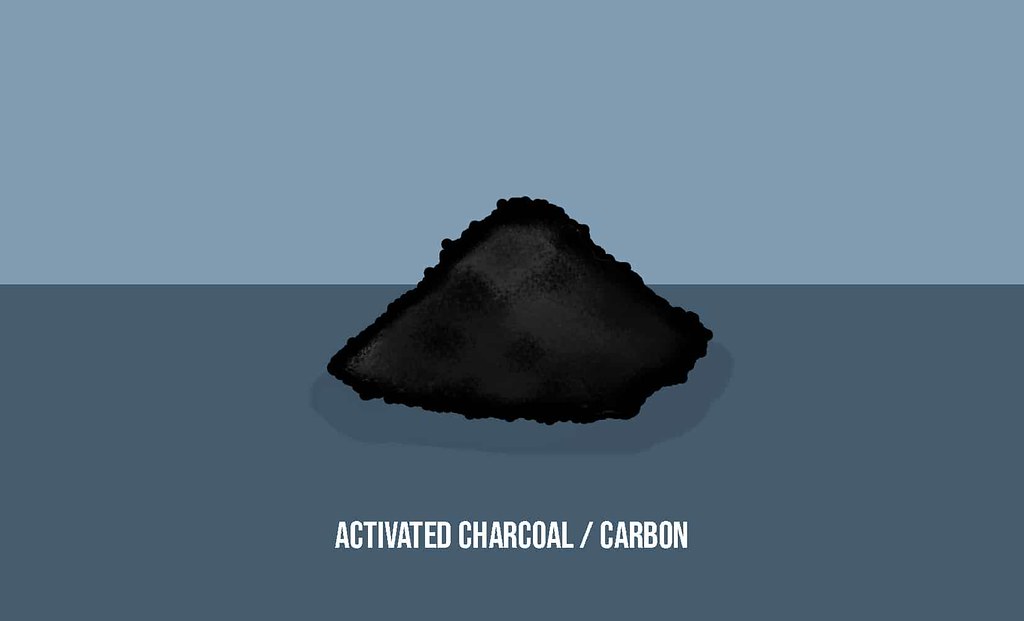
Charcoal that’s been “activated” with heat is riddled with tiny pores, which gives it an enormous surface area. Things stick to that surface.
It’s the best-known binder, and it has a real medical job: emergency departments use it in some poisoning cases. In the wellness world, people take it for occasional gas and bloating, after a “bad food” day, or as the mop-up step in a cleanse.
- The big caution: it binds medicines, including birth control pills, thyroid medication and many others. People usually keep it at least two hours away from any medicine or supplement. Ask your pharmacist about yours.
- It can cause constipation and black stools (harmless, but worth knowing).
- It’s generally seen as a short-term tool, not a daily habit.
Bentonite and other clays

Bentonite is a volcanic-ash clay. When it meets water it swells and carries a negative charge, so traditional thinking says it draws in positively charged things.
Eating clay is one of the oldest remedies there is. Many cultures have used it for upset stomachs and loose stools. Today it shows up in parasite and heavy metal protocols, usually as a small amount stirred into a full glass of water.
- Quality matters more than with almost anything else. Clay comes out of the ground, and some products have been found with high lead levels; the FDA has warned about at least one bentonite product for that reason. Look for a brand that publishes heavy metal testing.
- Drink plenty of water with it. Clay without enough fluid can bind you up.
- Same timing rule as charcoal: keep it away from medicines and supplements.
A binder is only as good as your bowels. If things aren’t moving, the mop has nowhere to go.
Chlorella
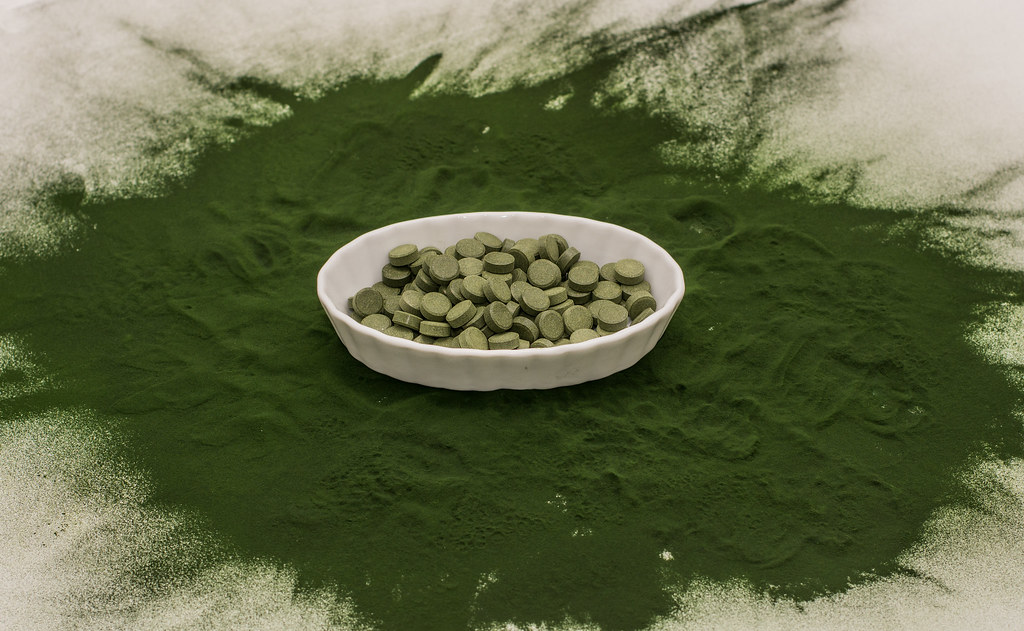
Chlorella is a single-celled green algae, usually sold as tablets or powder. Its tough cell wall is the part naturopaths are interested in: it’s traditionally believed to hold onto metals and other compounds in the gut.
It’s the “gentle” binder of the group, and it’s a food as well, with protein, chlorophyll and some vitamins. That’s why some people use it daily rather than in short bursts. Human research on it as a binder is still small and early, so think of it as traditional use being studied, not a proven fix.
- It contains vitamin K, so anyone on warfarin should talk to their doctor first.
- It can contain iodine, which matters for some thyroid conditions.
- Some people get green stools, gas or nausea at first. Starting with a small amount is the usual advice.
Pectin and fibre
Pectin is the fibre that makes jam set. It’s found in apple skins and citrus peel. “Modified citrus pectin” is a version broken into smaller pieces so more of it can be absorbed.
A couple of small studies have looked at it and urinary excretion of metals like lead. They’re tiny and mostly uncontrolled, so the honest summary is: interesting, being studied, not settled.
Plain fibre belongs here too. Psyllium husk, ground flax, oats, apples and beans all form a gel in the gut. Naturopaths often call fibre “the binder you eat”, and it’s the easiest one to start with. Psyllium also binds medicines, so the two-hour rule applies.
How people use binders (the common rules)
- Bowels first. At least one comfortable bowel movement a day before adding any binder. This is the same “order matters” idea from why most detoxes backfire.
- Away from everything else. Usually on an empty stomach, at least two hours from food, medicines and supplements.
- Lots of water. Binders without fluid can cause constipation.
- Start small, use short-term. Amounts vary by product; follow the label and check with your doctor first.
- Rotate or combine. Some protocols mix binders because each grabs different things. Others stick to one so it’s easier to tell how you’re reacting.
In parasite protocols, binders are usually paired with the cleanse herbs. If that’s where you’re headed, our guide to black walnut, wormwood and clove explains the herbal side.
Who should skip binders (or ask first)
- Anyone on daily medication, especially birth control, thyroid, heart, seizure or blood-thinning medicines.
- Pregnant or breastfeeding women.
- Children (talk to their doctor).
- People with chronic constipation, bowel blockage history, slow stomach emptying, or recent bowel surgery.
- Anyone underweight or struggling to absorb nutrients, since binders can hold onto minerals too.
Also available: kits that include binders
If you’d rather not put a protocol together yourself, The Ultimate Parasite Kit bundles cleanse herbs with binders, and The Heavy Metal Blaster Kit is built around heavy metal support. Both are sold by an outside company. They may suit someone who has already checked with their doctor and wants everything in one box. Skip them if any of the “who should skip” points above apply to you.
Sponsored link. If you buy through it, Clif may earn a commission at no extra cost to you. The claims on the seller’s page are theirs, not ours, and haven’t been checked by us. It’s not a substitute for seeing your doctor.
When to see a doctor
- Severe stomach pain, a swollen belly, vomiting, or no bowel movement for several days after starting a binder.
- Blood in the stool, or black, tarry stools when you haven’t taken charcoal.
- You suspect real heavy metal or chemical exposure (work, old paint, well water). That needs proper testing, not guesswork.
- A medicine seems to have stopped working while you’re using a binder.
Try this today
Start with the binder you eat. Add one fibre-rich food to today’s meals (an apple with the skin on, a spoon of ground flax in your oats, or a bowl of beans) and drink an extra glass of water with it. Notice how your digestion feels tomorrow.
Go deeper in the Vault
Binders show up in Clif’s step-by-step protocols. See Heavy Metals: everything in the Vault and Parasites: everything in the Vault for the protocols and library entries members can open, or start with the Remedies Vault.
Educational only, not medical advice. This information has not been evaluated by the FDA or Health Canada and is not intended to diagnose, treat, cure, or prevent any disease. Talk to your healthcare provider before starting any remedy, supplement, or detox, especially if you are pregnant, nursing, taking medication, or managing a health condition. Read our full Medical Disclaimer.