You take about 20,000 breaths a day.
Every one of them brings in whatever is in the air around you. Car exhaust. Wildfire smoke. Dust. Mould spores. Cleaning sprays. And for some people, years of cigarette smoke.
Your lungs have their own cleaning system: tiny hair-like cilia and a layer of mucus that traps particles and sweeps them out. Natural lung support is mostly about helping that system do its job.
Quick take
- Your lungs clean themselves with tiny hairs and mucus. Natural support helps that system do its job.
- Mullein is the classic lung herb; thyme, oregano and ginger are kitchen favourites.
- Steam, deep breathing and clean indoor air cost almost nothing.
Mullein: the classic lung herb
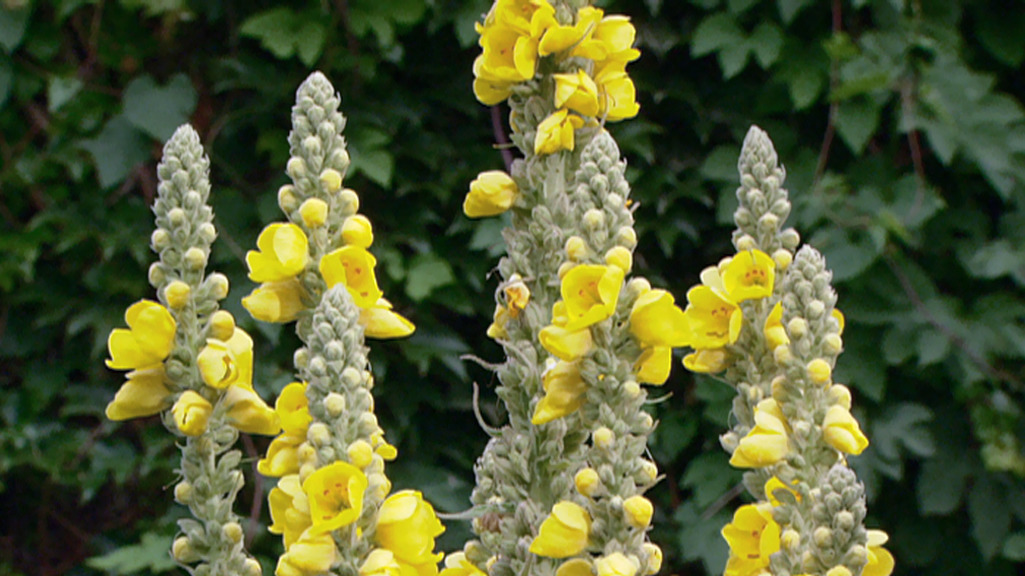
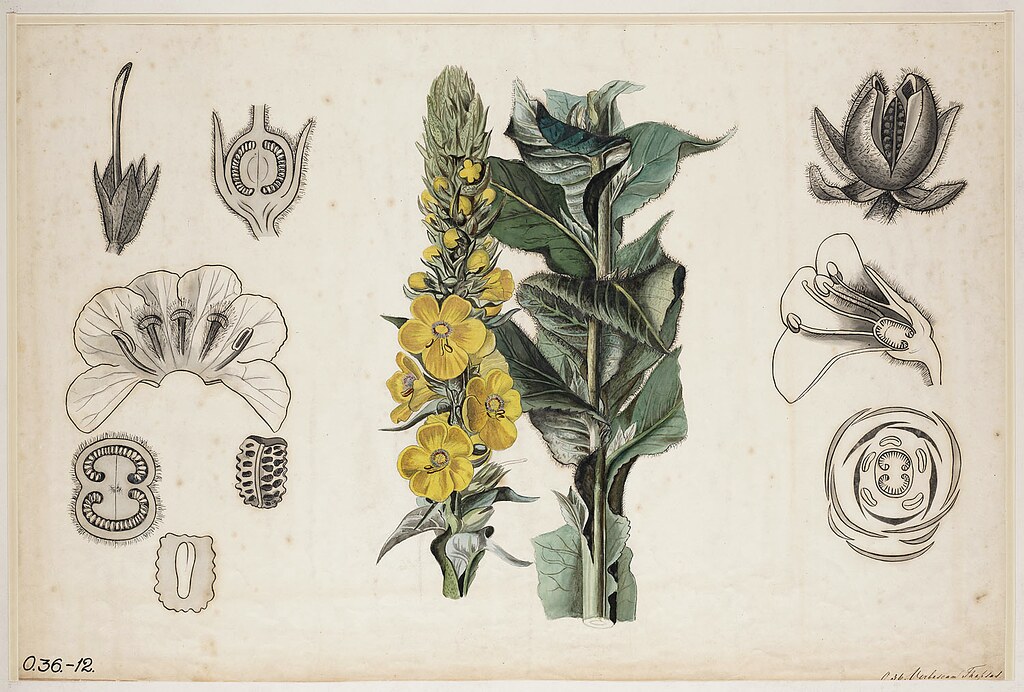
If there’s one herb tied to the lungs, it’s mullein.
That tall, fuzzy-leafed plant growing in ditches and fields has been used in European and Native American traditions for centuries. Herbalists call it an expectorant and a demulcent, meaning it’s used to help loosen mucus while soothing irritated airways.
Most people drink it as a tea. Strain it through a coffee filter or fine cloth. The tiny hairs on the leaves can irritate your throat.
Other herbs used for the lungs
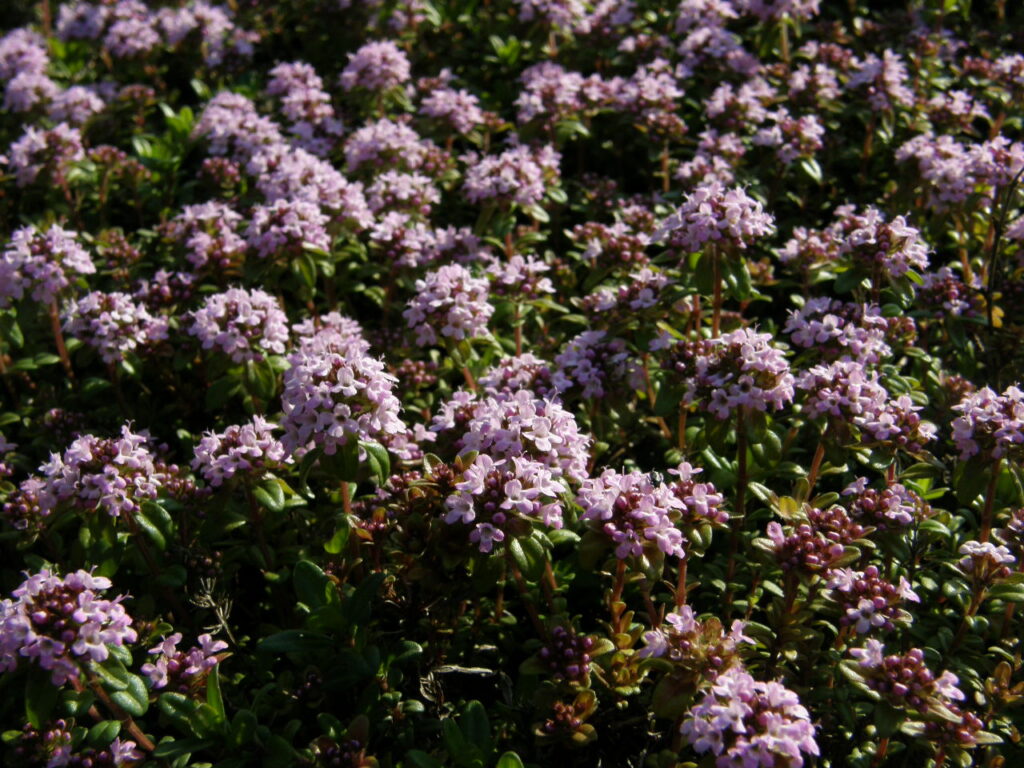
- Thyme. Used in Europe for coughs for generations, and still found in many cough syrups there today.
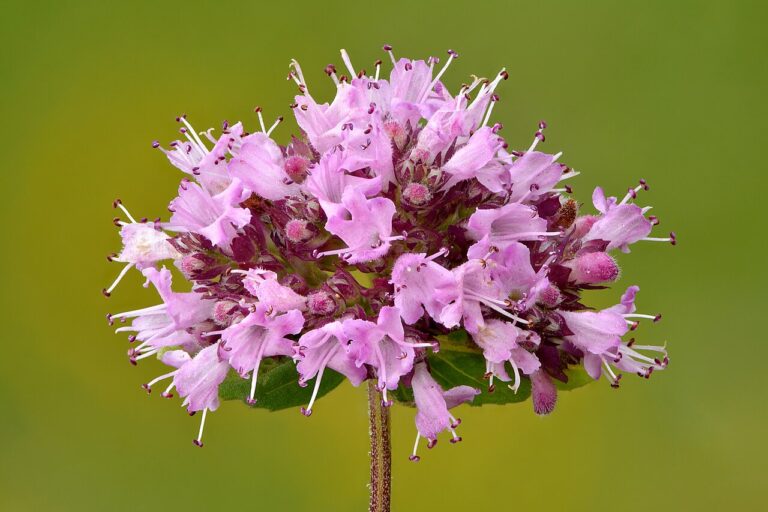
- Oregano. Rich in carvacrol and traditionally used for respiratory support.
- Licorice root. Soothing and traditionally paired with mullein. Avoid it if you have high blood pressure.
- Elecampane. An old-world root herbalists reach for when mucus is deep and stubborn.
- Ginger. Warming, and traditionally used to break up congestion.
NAC
N-acetyl cysteine isn’t an herb, but it gets mentioned in almost every lung conversation. It’s used to help thin mucus and helps your body make glutathione, its master antioxidant. Talk to your doctor before trying it, especially if you have asthma or take medication.
Old-school habits that still work
Steam
Lean over a bowl of hot water with a towel over your head. Add a few drops of eucalyptus or a handful of fresh thyme. It’s one of the oldest congestion remedies there is. Keep your face a safe distance from the water.
Deep breathing
Shallow chest breathing leaves the bottom of your lungs underused. Slow belly breathing, in through the nose and out through pursed lips, is something respiratory therapists teach too.
Move
Walking, cycling, swimming. Anything that gets you breathing harder helps your lungs clear themselves.
Hydrate
Mucus thins out when you’re well hydrated, which makes it easier to clear.
Clean up your air
- Open windows when air quality is good
- Use a HEPA air purifier, especially during wildfire season
- Deal with any mould or damp in your home
- Swap harsh cleaning sprays for simpler options like vinegar and baking soda
If you smoke or vape, quitting does more for your lungs than any herb ever will.
The obvious one
If you smoke or vape, quitting does more for your lungs than any herb ever will. Your doctor or a quit-smoking program can help with that.
When to see a doctor
Don’t try to herb your way through a serious problem. See a doctor if you have shortness of breath, a cough lasting more than three weeks, chest pain, coughing up blood, wheezing, or a fever.
For more on how lung support fits into a bigger detox plan, read the order that actually works.
Try this today
Tonight, try five minutes of slow belly breathing: in through your nose, out through pursed lips.
Go deeper in the Vault
Full entries for mullein, thyme, elecampane and more, plus the lung and breathing protocol, are in the Vault. Lung & Breathing in the Vault →
Educational only, not medical advice. This information has not been evaluated by the FDA or Health Canada and is not intended to diagnose, treat, cure, or prevent any disease. Talk to your healthcare provider before starting any remedy, supplement, or detox, especially if you are pregnant, nursing, taking medication, or managing a health condition. Read our full Medical Disclaimer.