Your kidneys filter your entire blood supply dozens of times a day. Most “kidney cleanses” ignore how they actually work.
Two fist-sized organs. Roughly 140 litres of blood filtered every single day. Out comes a litre or two of urine carrying waste, extra salt and extra water.
They don’t need a dramatic flush. They need the right conditions. Here’s what people traditionally do to support them, the gentle herbs naturopaths reach for, and the popular “kidney herbs” that are a bad idea for some people.
Quick take
- Water, less salt and steady blood pressure do more for your kidneys than any cleanse.
- Dandelion leaf, nettle leaf and corn silk are traditionally used to gently increase urine flow.
- If you already have kidney disease, many herbs are on the avoid list. Talk to your doctor first.
What your kidneys actually do
Think of them as your body’s water treatment plant. They:
- Filter waste out of the blood and send it out in urine
- Balance salt, potassium and water
- Help control blood pressure
- Make hormones that help build red blood cells and keep bones strong
Here’s the tricky part. Kidney trouble is usually quiet. Many people lose a good chunk of kidney function before they feel anything. That’s why the basics matter so much, and why a simple blood and urine test is worth more than any guesswork.
It’s also why the order matters. As we covered in why most detoxes backfire, your elimination pathways need to be working well before you push anything through them.
The basics come first

Boring? Yes. But this is where most of the kidney-friendly wins are.
- Drink enough water. Pale yellow urine is the simple check. More in hot weather and when you sweat. (If a doctor has limited your fluids, follow that instead.)
- Go easy on salt. Most of it hides in packaged, restaurant and processed food, not the salt shaker.
- Know your blood pressure and blood sugar. High blood pressure and diabetes are the two biggest drivers of kidney damage.
- Don’t live on painkillers. Regular, long-term use of anti-inflammatory pain pills like ibuprofen and naproxen can be hard on the kidneys. Ask your pharmacist about safer options.
- Move and don’t smoke. Both help the blood vessels that feed your kidneys.
Your kidneys also work hand in hand with your liver. The liver changes waste into a form the kidneys can flush out. If you haven’t read it yet, these are the signs your liver may be asking for help.
Your kidneys don’t need a dramatic flush. They need water, less salt and steady blood pressure.
Herbs traditionally used to support the kidneys

In traditional European herbalism, a handful of plants have long been used as gentle “water herbs”. The idea is simple: help the body make a bit more urine to flush the urinary tract. European herbal regulators still list some of them for exactly that, as a support for minor urinary complaints, not as a treatment for kidney disease.
Dandelion leaf
The leaf (not just the root) is the classic one. Traditionally used to increase urine flow, and naturally rich in potassium. Usually taken as a tea. Typical amounts vary by product; follow the label and check with your doctor first.
Nettle leaf
Stinging nettle leaf tea is traditionally used to “flush” the urinary tract, and naturopaths use it to support healthy fluid balance. It’s mineral-rich, which is part of its old reputation as a spring tonic.
Corn silk
Yes, the silky threads from an ear of corn. A soothing traditional tea for the urinary tract in many cultures, from Indigenous North American use to Chinese medicine. It’s being studied, but the research is still early.
Parsley (as food)
A handful of fresh parsley in your cooking is an old kitchen habit for the kidneys. Keep it to food amounts. Concentrated parsley root or seed products are a different story (see below).
One thing to remember: these herbs make you pee more. That’s the point. It also means they can stack with water pills and some medicines, and they’re not a reason to drink less water.
Cranberry, lemon and the rest of the urinary tract
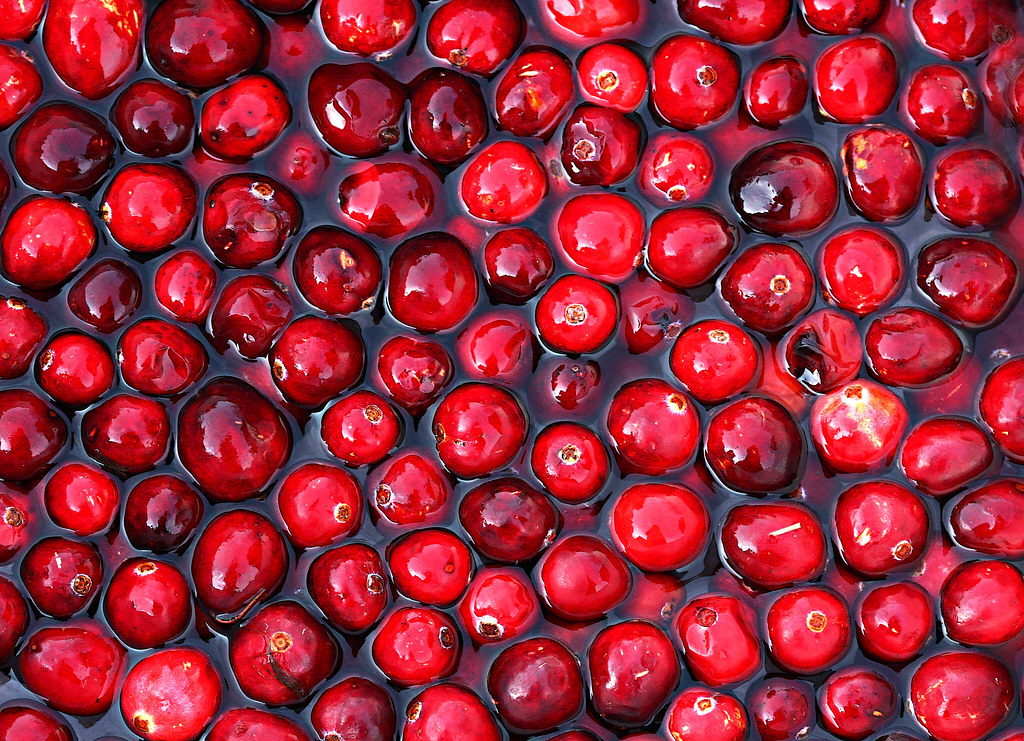
Your kidneys drain into the bladder, so people often think of the whole system together.
- Cranberry is traditionally used for bladder health. Research suggests it may lower the chance of repeat bladder infections in some women, because compounds in it make it harder for bacteria to stick. It is not a treatment for an infection you already have. If you take warfarin, ask your doctor before using cranberry products.
- Lemon water is a popular habit for people prone to kidney stones. Lemons contain citrate, and doctors sometimes suggest citrate to people with certain kinds of stones. Ask yours which type you have before relying on it.
Who should skip kidney herbs
This part matters more than any herb list.
If you have chronic kidney disease, don’t start any herbal supplement without your kidney doctor. Kidney charities list nettle, parsley root, horsetail, licorice root, uva ursi, astragalus, cat’s claw, goldenrod and others as herbs that may be harmful to people with kidney disease. Some are high in potassium. Some interact with kidney medicines.
Also check with your doctor first if you:
- Take water pills (diuretics), lithium, blood pressure medicine or blood thinners
- Have been told to limit potassium or fluids
- Are pregnant or breastfeeding
- Have heart failure or a history of kidney stones
- Are allergic to ragweed or daisy-family plants (dandelion is one)
And never use imported herbal products that may contain aristolochia (sometimes sold as “birthwort” or mixed into slimming blends). It has caused serious kidney damage, and the US FDA and Health Canada have both warned about it.
When to see a doctor
Don’t try to manage these at home. Get checked if you notice:
- Blood in your urine, or urine that is very foamy, dark or cola-coloured
- Swelling in your ankles, feet or around your eyes
- Peeing a lot less than usual
- Burning when you pee, especially with fever or pain in your back or side (go the same day)
- Sudden, severe pain in your side or back that comes in waves
- Ongoing tiredness, itching, nausea or poor appetite with no clear cause
If you have high blood pressure, diabetes or a family history of kidney disease, ask for a yearly blood test (eGFR) and urine test (ACR). It’s quick, and it catches problems early.
Also available: kidney health programs
If you want a structured plan to read through and take to your doctor, there are two kidney health programs, sold by an outside company.
Sponsored link. If you buy through it, Clif may earn a commission at no extra cost to you. The claims on the seller’s page are theirs, not ours, and haven’t been checked by us. It’s not a substitute for seeing your doctor.
Try this today
Fill a large water bottle in the morning and keep it in sight. Squeeze in a little lemon if you like. Then check one packaged food you eat often and look at the sodium line. Small swaps there add up fast.
Go deeper in the Vault
Vault members get the Kidney Health hub: everything the Vault has on kidney health in one place, with the “get medical help first” signs up top and new Detox Library entries added as they appear.
Educational only, not medical advice. This information has not been evaluated by the FDA or Health Canada and is not intended to diagnose, treat, cure, or prevent any disease. Talk to your healthcare provider before starting any remedy, supplement, or detox, especially if you are pregnant, nursing, taking medication, or managing a health condition. Read our full Medical Disclaimer.