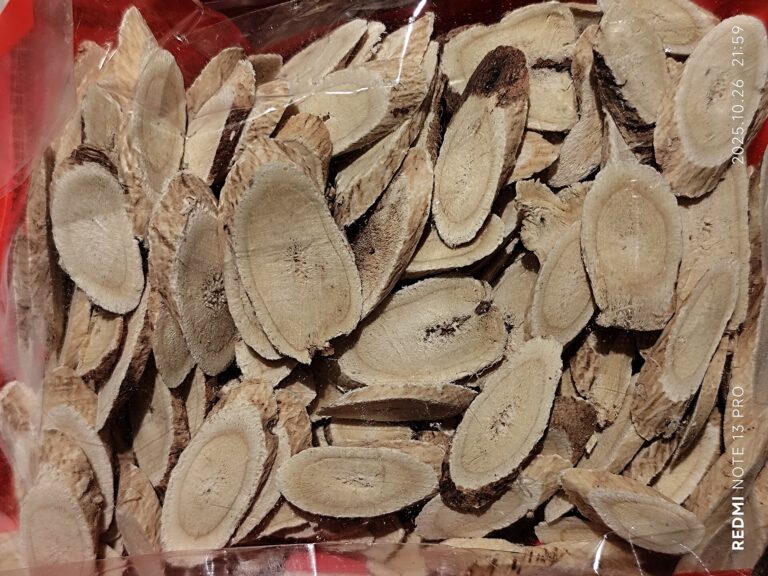
One of the oldest and most widely used herbs on earth, licorice root is the sweet “harmonizer” of Chinese formulas and a soothing tonic in Ayurveda. Here’s what traditions use it for, what the research shows, and why it’s one herb you need to respect.
Similar Posts
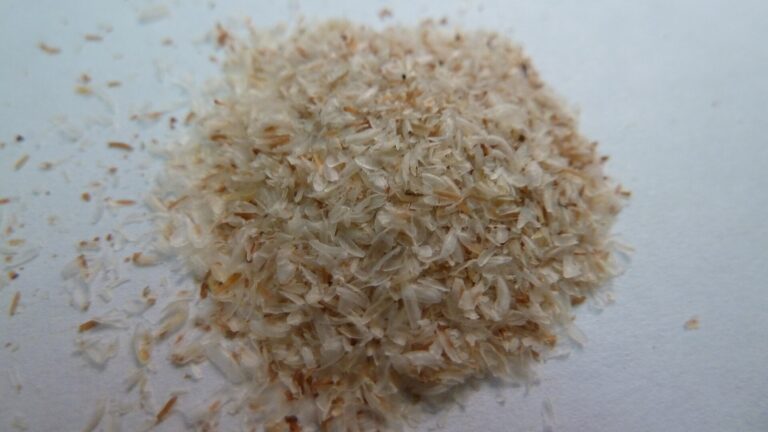
Psyllium Husk
Psyllium husk is a gentle, gel-forming fibre that many detoxers use to keep things moving while they cleanse. Members get the full entry: what the research actually shows, typical amounts, and the safety points that matter most (especially water and medication timing).
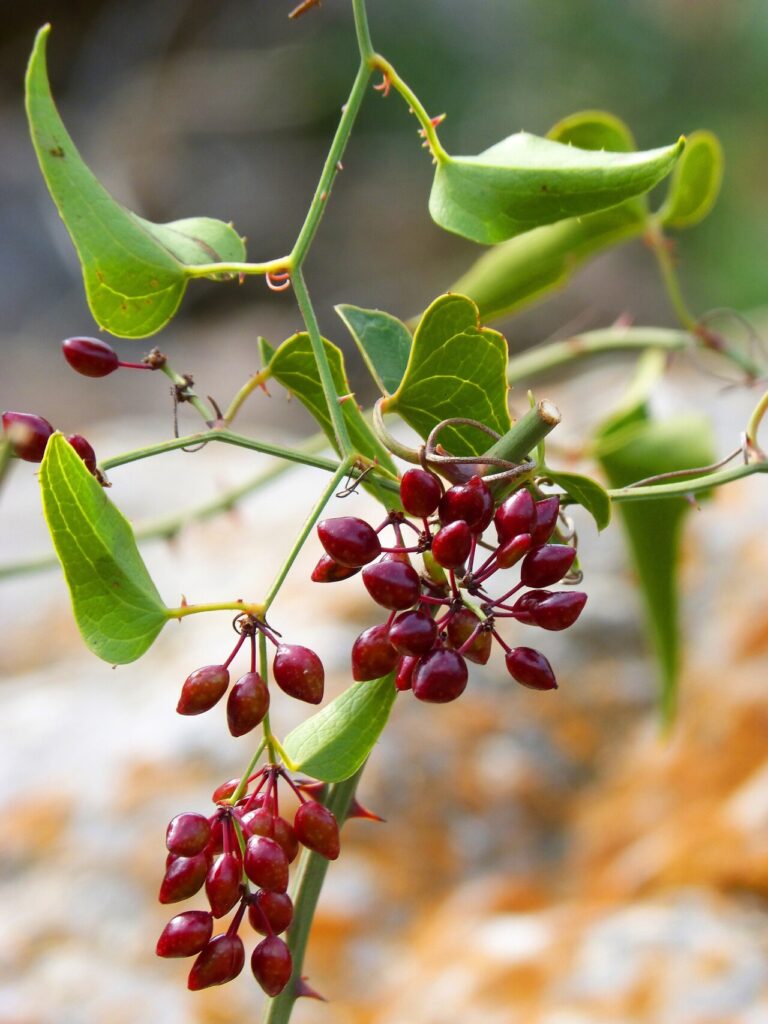
Sarsaparilla
Sarsaparilla root was one of the most famous "blood purifiers" of European and American medicine for about three centuries, and it still turns up in blood-cleanse, skin and men's tonic blends. Members get the full entry: its history, why doctors doubted it as early as the 1850s, what the research does and doesn't show, and its digoxin, lithium and kidney cautions.
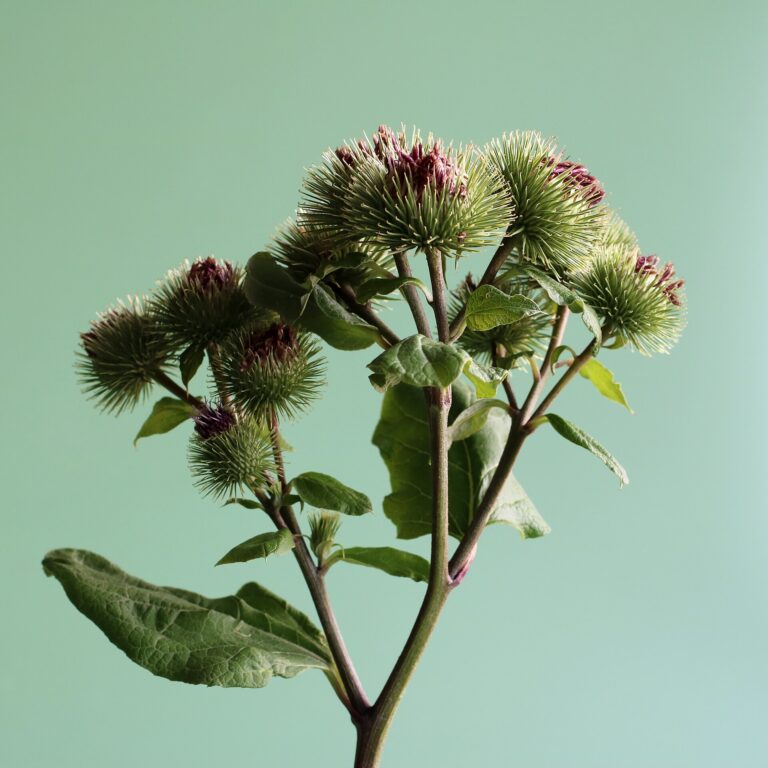
Burdock Root
Burdock root is an edible root that herbalists have long called a "blood purifier", traditionally used to support the body's own exit routes through the kidneys and skin. Members can read what the research does and doesn't show, typical amounts from official herbal monographs, and who should skip it.
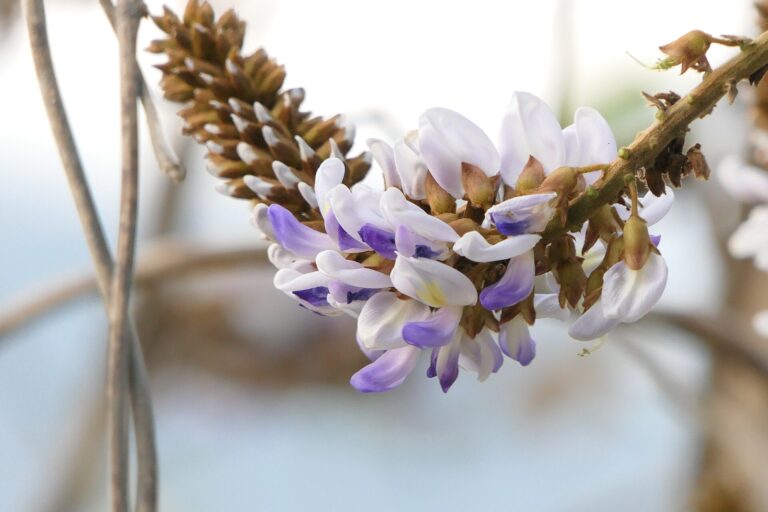
Vidari (Indian Kudzu)
Vidari is a sweet, cooling Ayurvedic root used as a strength-building rejuvenative, a traditional aid for new mothers' milk, and a pitta-soothing herb in acid-indigestion regimes. Here's what the tradition says, the (mostly animal) research on its isoflavones, why it's often mixed up with other "vidari" roots, and who should skip it.
Dill
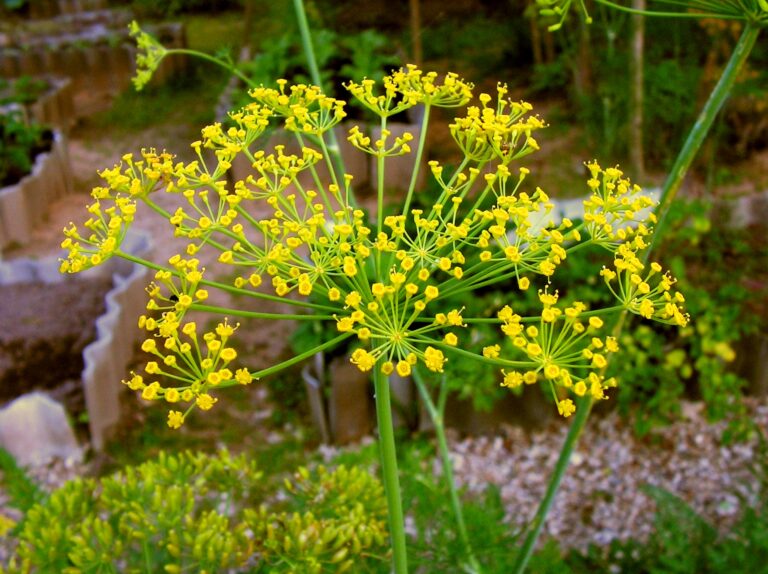
The feathery pickle herb is also one of the oldest "wind" seeds, brewed after meals, taken in Ayurveda for digestion and breast milk, and used as the original base of gripe water. Members can see what traditions use it for, what small studies show, and who should keep to kitchen amounts.
Astragalus
Huang Qi, the yellow root behind Chinese "Jade Windscreen" formulas, is one of the best-known qi tonics in traditional Chinese medicine and a popular immune-season herb in the West. Here's what the tradition uses it for, what the (mostly small, Chinese) studies show, the Health Canada amounts, and why people with autoimmune disease or a transplant should steer clear.