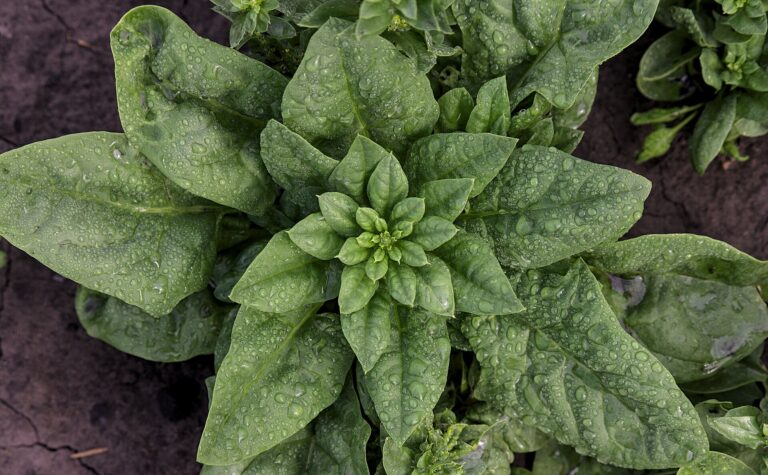
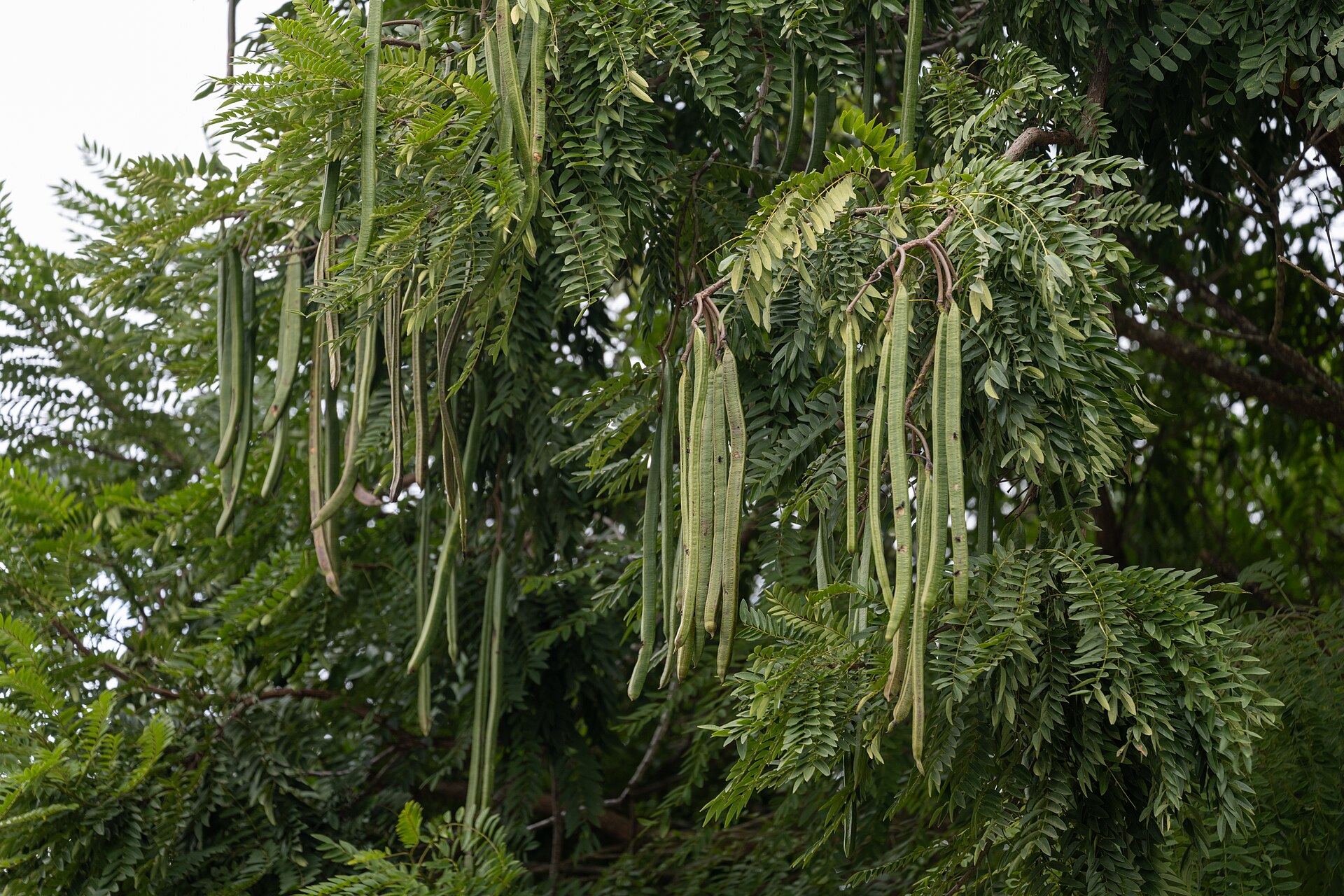
Called the “miracle tree” across Asia and Africa, moringa is both a food and a traditional medicine, and its leaves are packed with plant nutrients. Here’s what tradition uses it for, what the studies show, and who should be careful with it.
Similar Posts
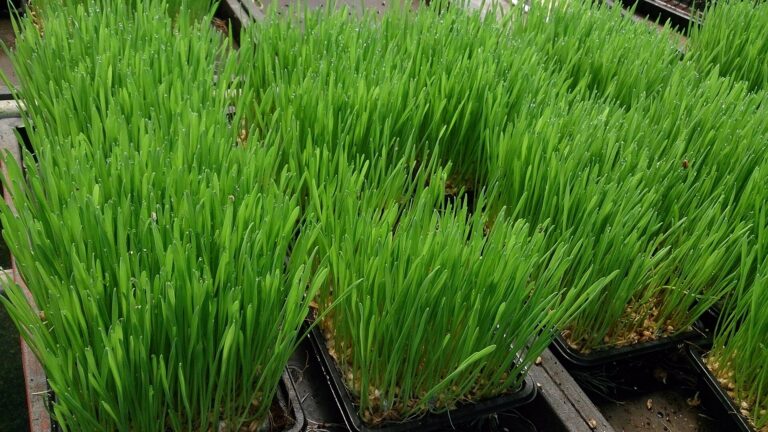
Wheatgrass and Barley Grass
Wheatgrass shots and barley-grass powders have been sold as "detox" and "blood-builders" since the 1940s. Here is where the habit came from, what the small human trials found, how people use them, and the raw-sprout, wheat-allergy, coeliac and warfarin cautions.
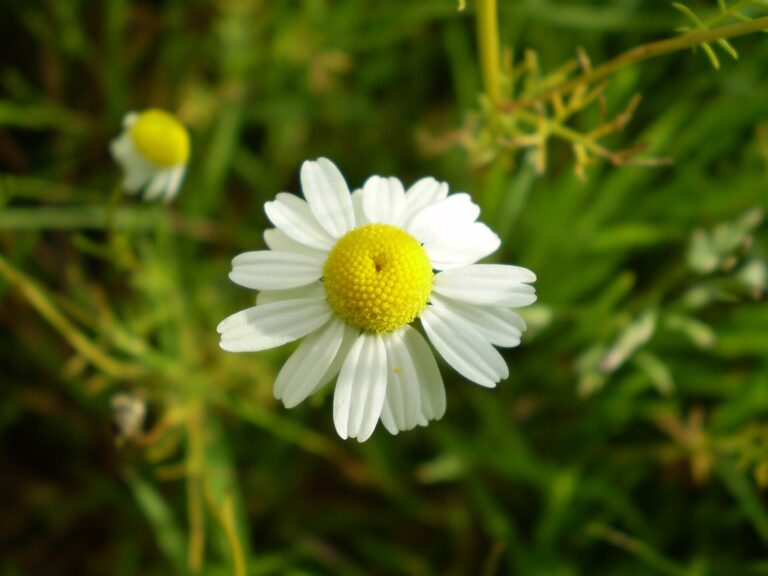
Chamomile
One of the oldest and gentlest herbs in the world, with more than a million cups of its tea drunk every day. Here's how tradition uses chamomile for nerves, sleep, digestion, mouth and skin, what the research shows, and the one allergy to watch for.
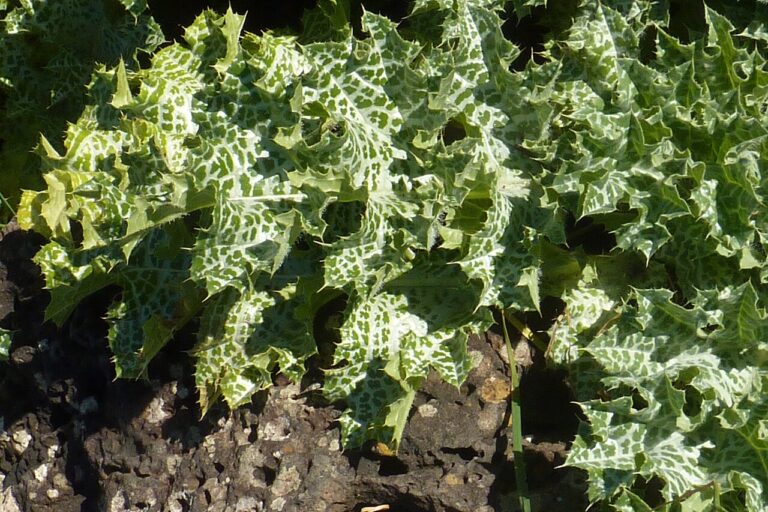
Milk Thistle
Milk thistle has been the go-to liver herb in Europe for about 2,000 years, from Roman writers to today's naturopaths. Members can read how it's believed to protect liver cells, what the newer fatty liver studies found, and its old reputation for nursing mothers.
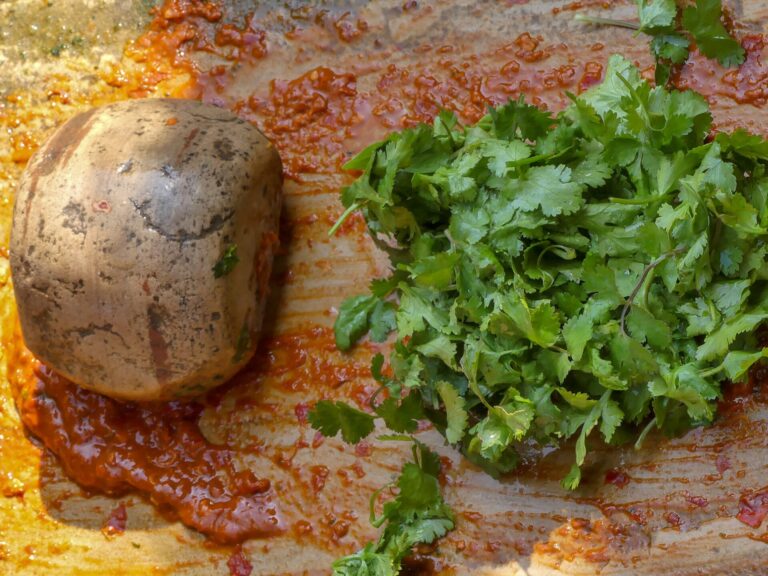
Cilantro
Cilantro is the everyday kitchen herb that became famous in detox circles as a "heavy metal" herb, usually paired with chlorella. Members can read where that idea came from, what the one small human trial actually found, and what product labels list.
Bentonite Clay
Bentonite is a volcanic-ash clay that people stir into water as a gut "binder" during a cleanse. Members can see what the research actually shows, how people typically use it, and the quality checks that matter most with clay.
Folate (Vitamin B9)
Folate is the B vitamin your body uses to build every new cell, and the one with the strongest "take it before you need it" message in all of nutrition. Here's who needs a supplement, the real story on folic acid vs. methylfolate and MTHFR, and why more isn't better.