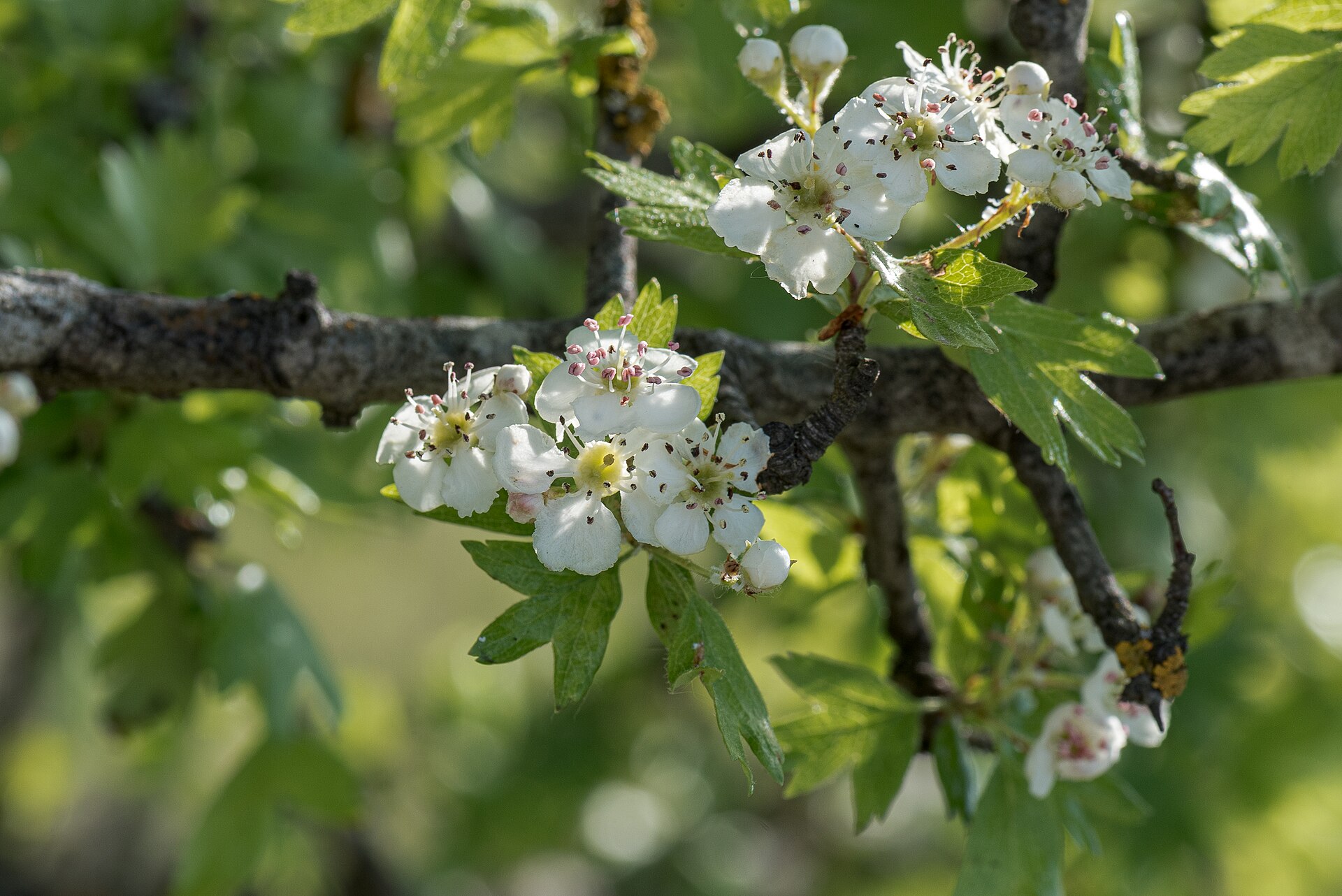
For nearly 2,000 years hawthorn has been Europe’s best-known heart herb, and in Chinese medicine its tart red fruit is a classic digestive. Here’s what tradition uses it for, what the studies show, and why anyone on heart medicine needs to check before taking it.
Similar Posts
NAC (N-Acetylcysteine)
NAC (N-acetylcysteine) is a form of the amino acid cysteine that the body uses to make glutathione, its main built-in antioxidant. Members get the full entry: where the research is strong (and where it isn't), typical amounts, and the drug interactions every NAC user should know.
Turmeric
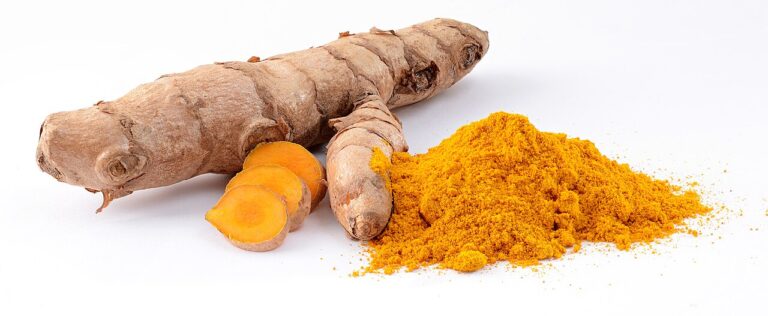
Turmeric is the golden root behind curry, wedding rituals and centuries of Ayurvedic and Chinese herbal practice. Here's how each tradition uses it, what modern studies on joints and digestion actually found, and why the strongest "high-absorption" capsules need more caution than the spice.
Uva Ursi
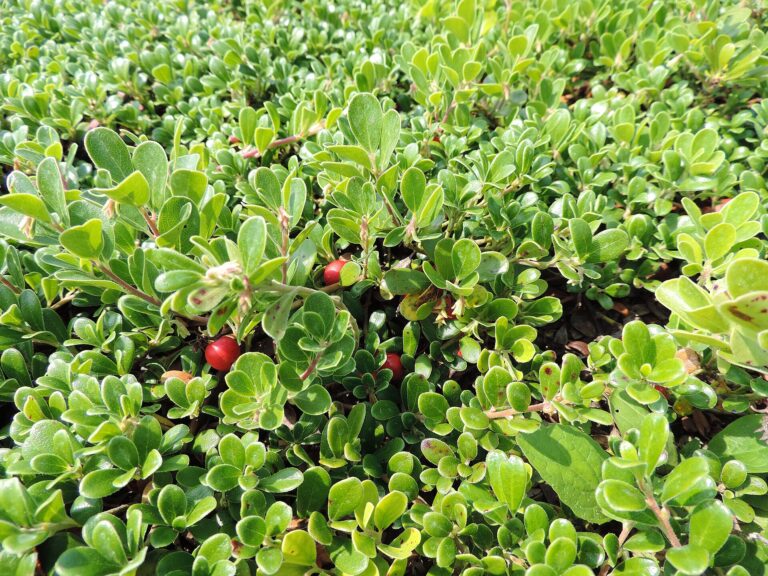
Uva ursi, or bearberry, is one of the best-known traditional bladder herbs, and one with the strictest limits. Here is its history from Welsh physicians to kinnikinnick, what the EU monograph and a 382-woman trial say, the one-week amounts, and who should not use it.
Bentonite Clay
Bentonite is a volcanic-ash clay that people stir into water as a gut "binder" during a cleanse. Members can see what the research actually shows, how people typically use it, and the quality checks that matter most with clay.
Chanca Piedra
Chanca piedra, the "stone breaker" herb of Brazil and India, is a popular tea for kidney, urinary and liver support. Here is its history, what the small studies on kidney stones and hepatitis B actually found, typical amounts, and the cautions to know first.
Slippery Elm
Slippery elm is a North American tree bark that turns silky and gel-like in water, and it's a favourite gentle "soother" in gut-focused routines. Members can read its long history, what the (thin) research shows, and the timing and safety points to know first.