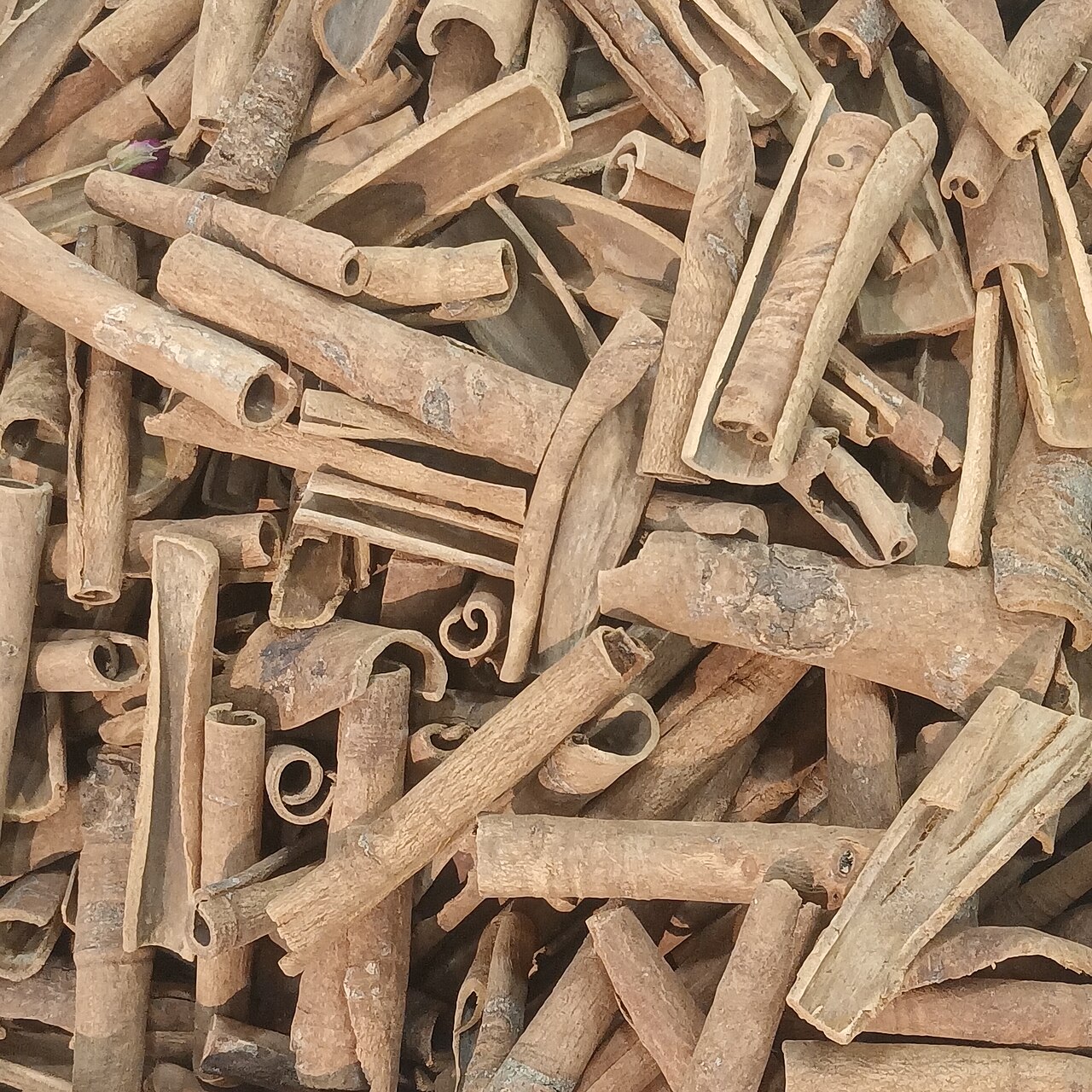
One of the oldest spices in the world, cinnamon was traded from Asia to Egypt as far back as 2000 BC. Ayurveda, Chinese medicine and Persian medicine all use it as a warming herb for digestion, circulation and the womb, and modern researchers are studying it for period pain and metabolic health.
Similar Posts
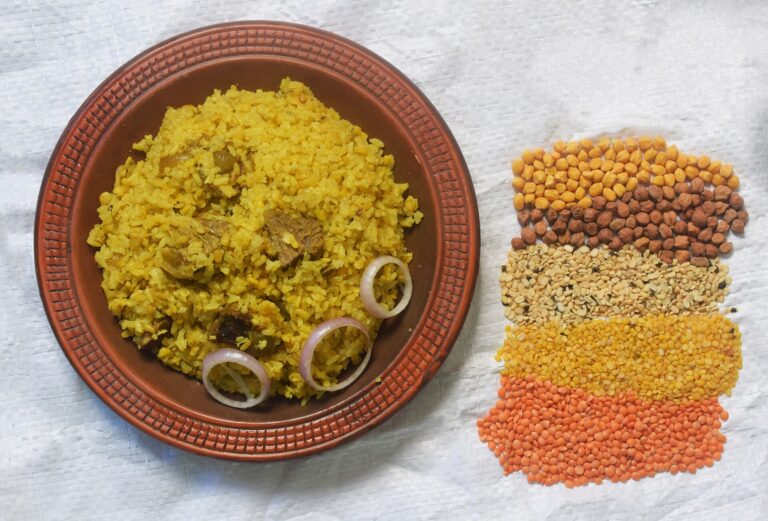
Kitchari (Ayurvedic Cleansing Meal)
Kitchari is India's comfort food: rice and yellow mung dal simmered soft with cumin, turmeric and ginger. Ayurveda uses it as the go-to meal for a gentle cleanse or a sore stomach, and two old hospital trials in children with diarrhoea fed it alongside rehydration drinks. Here's how it's traditionally made, what it can and can't do, and who should keep a kitchari cleanse short.
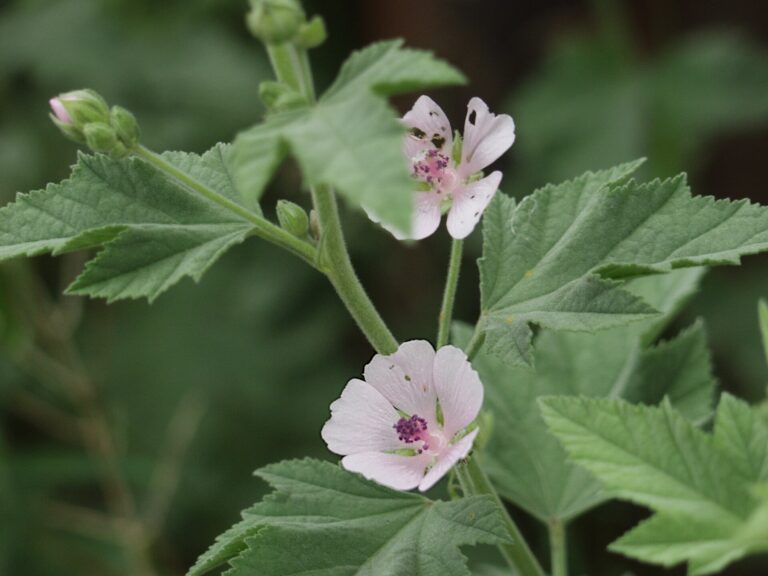
Marshmallow Root
Marshmallow root (the plant, not the candy) is a soft root that turns slippery in water. Herbalists have used it for over 2,000 years to soothe the throat and an irritated gut. Members can read what the research really shows, the typical amounts in the European monograph, and the medicine-timing point to know first.
Vitamin B12
Vitamin B12 keeps your blood and nerves working, and it's one of the few vitamins your body can quietly run short on for years without your knowing. Here's who tends to run low, which foods and forms cover your needs, what "B12 for energy" really means, and the common medicines that drain it.
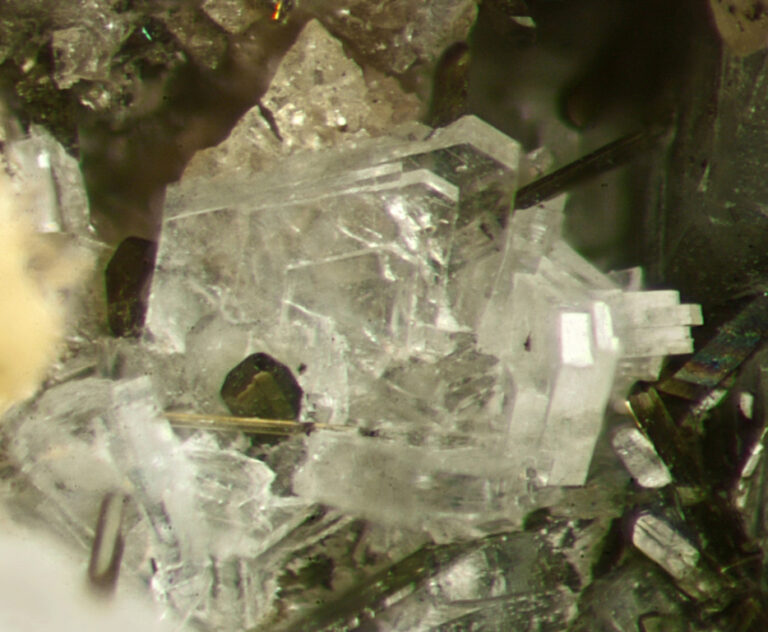
Zeolite (Clinoptilolite)
Zeolite is a volcanic mineral with a honeycomb of tiny pores, and people take the purified form as a binder during a detox. Members get the full entry: what the (still small) research shows, common forms, typical amounts and who should steer clear.
Greater Celandine (Safety Profile)
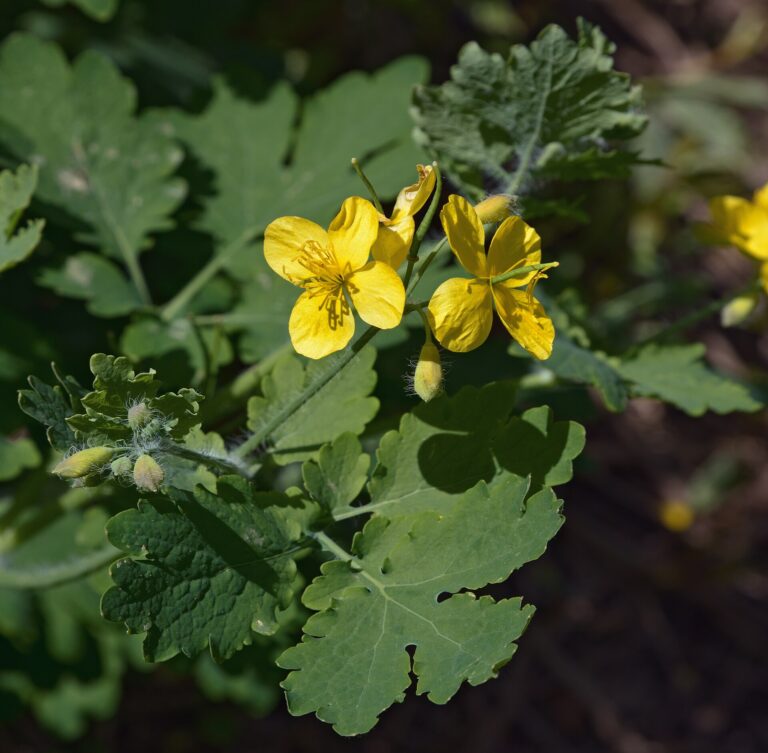
Greater celandine is a poppy-family herb with a long history in European folk medicine, but taken by mouth it is linked to liver injury, and European regulators decided its risks outweigh its benefits. Here's where the uses come from, what the research says, and gentler herbs to look at instead.
Folate (Vitamin B9)
Folate is the B vitamin your body uses to build every new cell, and the one with the strongest "take it before you need it" message in all of nutrition. Here's who needs a supplement, the real story on folic acid vs. methylfolate and MTHFR, and why more isn't better.