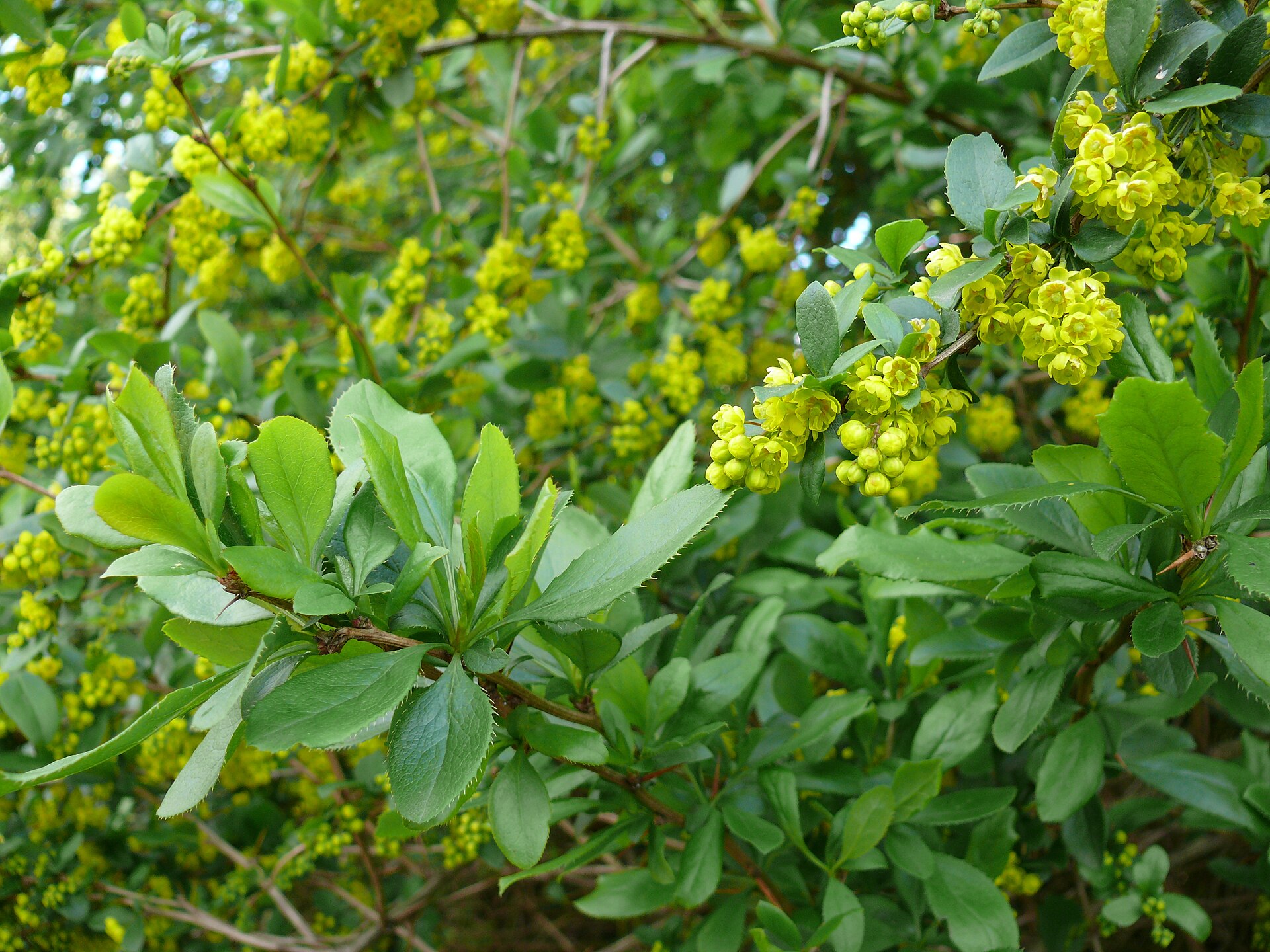
Berberine is the bright-yellow compound behind some of the oldest bitter remedies in Ayurveda and Chinese medicine, from Indian barberry to Chinese goldthread. Today it is one of the most-studied plant compounds for metabolic health, and one of the most interaction-prone, so it is worth reading the safety section first.
Similar Posts
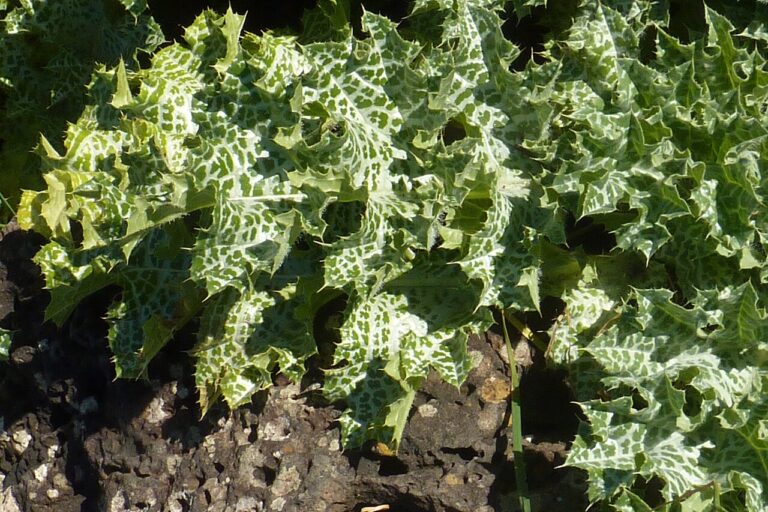
Milk Thistle
Milk thistle has been the go-to liver herb in Europe for about 2,000 years, from Roman writers to today's naturopaths. Members can read how it's believed to protect liver cells, what the newer fatty liver studies found, and its old reputation for nursing mothers.
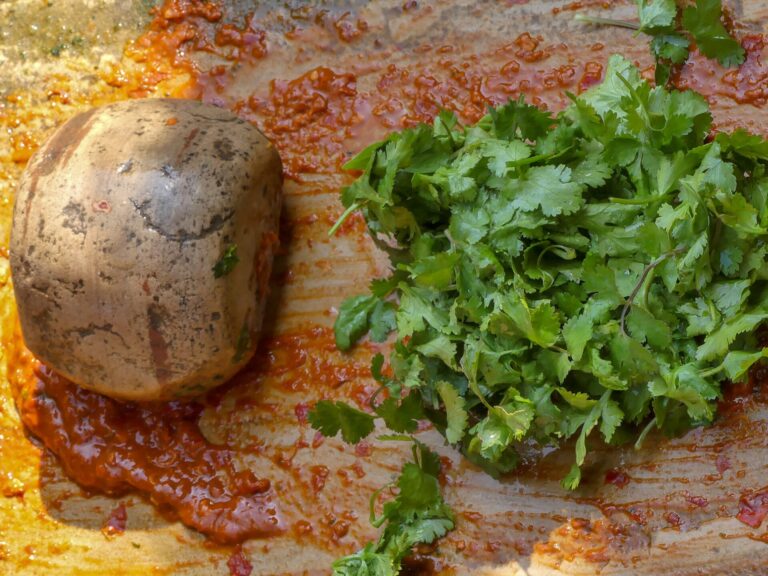
Cilantro
Cilantro is the everyday kitchen herb that became famous in detox circles as a "heavy metal" herb, usually paired with chlorella. Members can read where that idea came from, what the one small human trial actually found, and what product labels list.
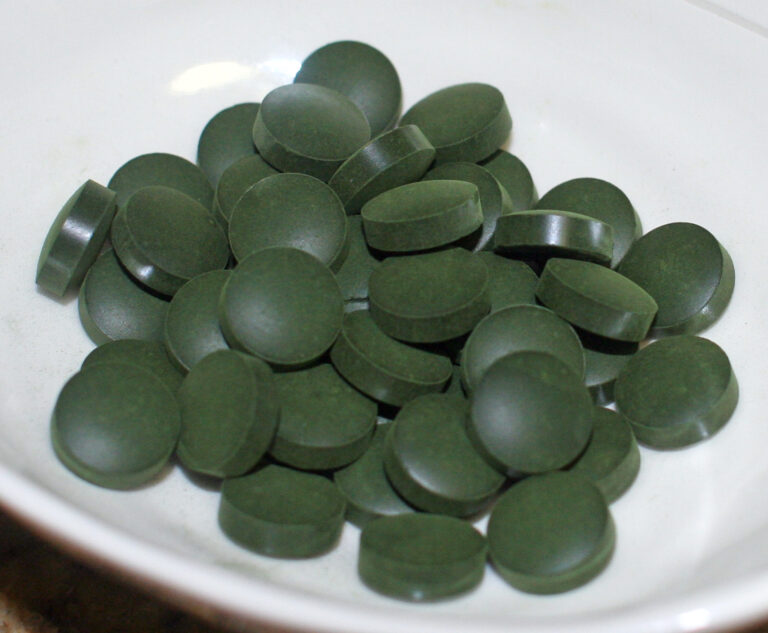
Spirulina
Spirulina is a deep blue-green algae powder that's been eaten as food for centuries, and many detoxers add it to smoothies during heavy-metal and liver routines. Members get the full entry: what the small studies found, typical amounts, and why where your spirulina comes from matters more than almost anything else.
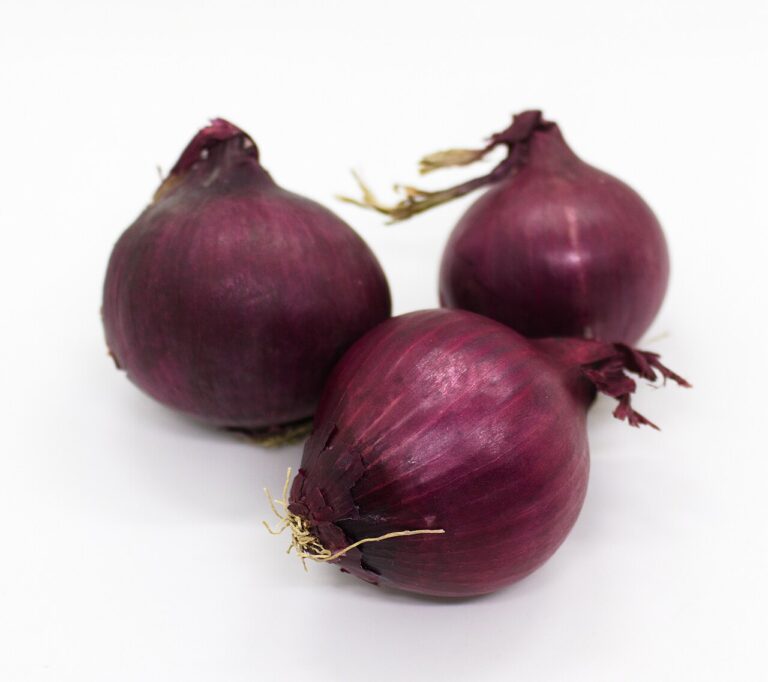
Quercetin
Quercetin is the most common flavonoid in the human diet, the yellow pigment behind onion skins and apple peels. Here's how naturopaths use it, the traditional herbs that are rich in it, and what the research shows.
Astragalus
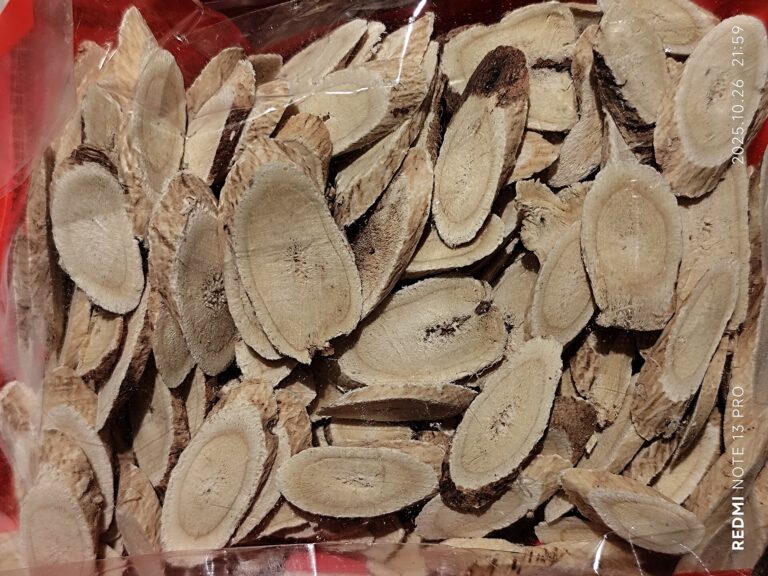
Huang Qi, the yellow root behind Chinese "Jade Windscreen" formulas, is one of the best-known qi tonics in traditional Chinese medicine and a popular immune-season herb in the West. Here's what the tradition uses it for, what the (mostly small, Chinese) studies show, the Health Canada amounts, and why people with autoimmune disease or a transplant should steer clear.
Cranberry
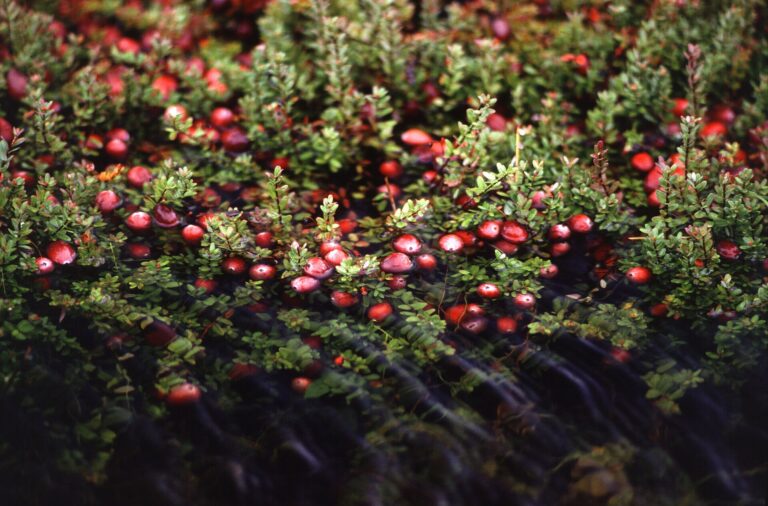
Cranberry is the best-studied urinary food in the library. Here is its Indigenous and folk history, what the 2023 Cochrane review of 50 trials found for repeat bladder infections (and who it did not help), study amounts, and the warfarin and kidney-stone cautions.