A small, very bitter cup sipped before dinner is one of Europe’s oldest kitchen traditions for a slow appetite and a heavy, sluggish stomach. Here’s how to brew Clif’s liver-and-gallbladder bitters tonic, and why the bitter taste is the whole point.

Similar Posts
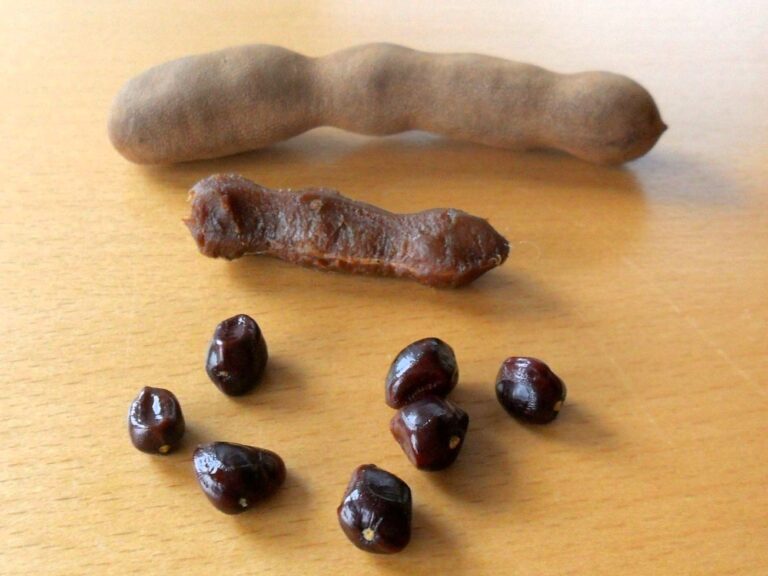
Tamarind water
Tamarind water is the sour, dark, faintly sweet drink made by softening tamarind pulp in warm water and straining it. Kitchens across India, Southeast Asia, Africa and the Caribbean have reached for it after rich food for centuries. Members get the method, what people make it for, what tradition and early research say, and how to keep it kind to your teeth.
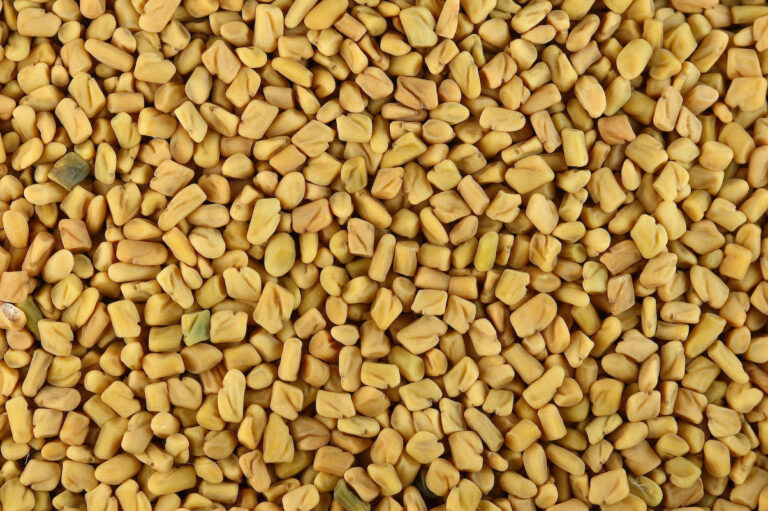
Fenugreek
A small golden seed that has flavoured curries and fed nursing mothers for thousands of years, from ancient Egypt to India. Its maple-syrup aroma is the same one that famously lingers on the skin of people who take it.
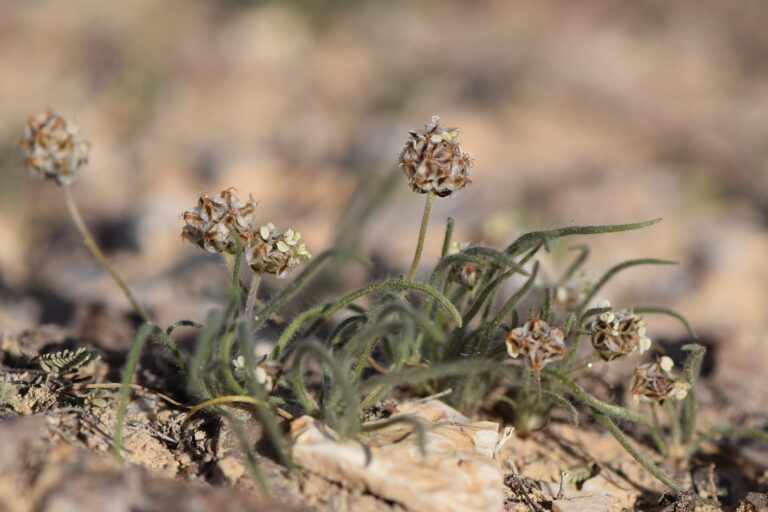
Psyllium (Isabgol)
Psyllium, known in India as isabgol, is the plant fibre behind many everyday fibre supplements, and it has some of the strongest research of any herb in the vault. Here's how traditions use it, what the newest guidelines say, and how to take it safely.
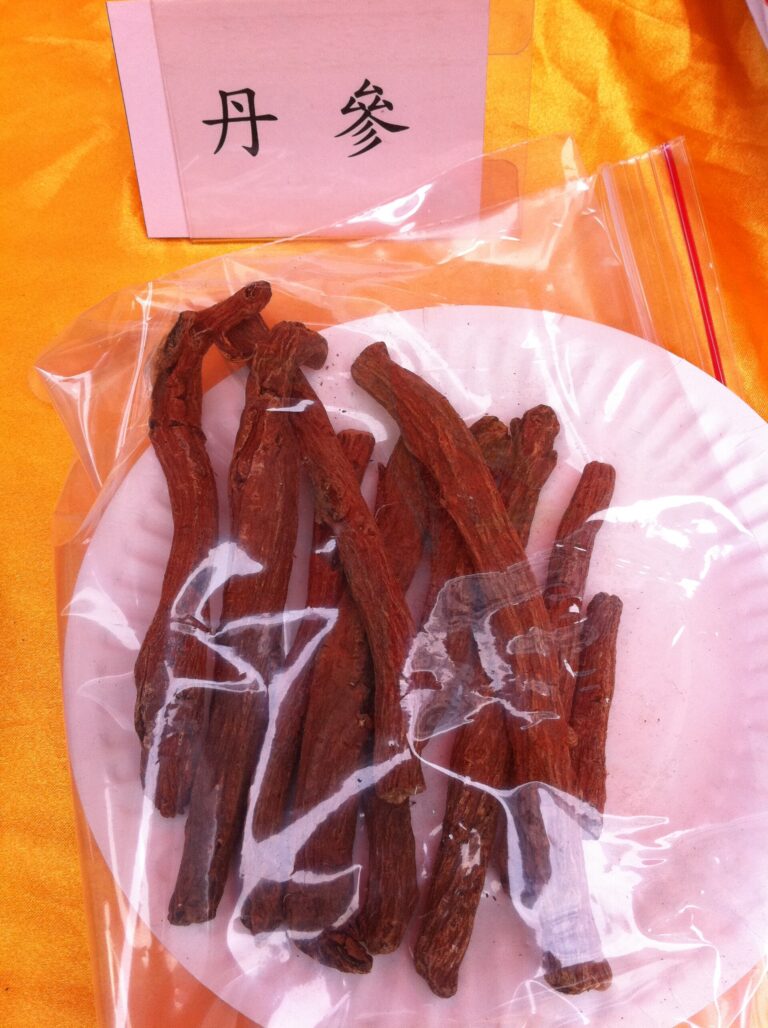
Danshen (Safety Profile)
Danshen, the red root of a Chinese sage, is one of the most-used herbs in Chinese medicine for the heart and circulation. It also thins the blood, which makes it one of the riskiest herbs to mix with warfarin and other blood thinners.
Hibiscus
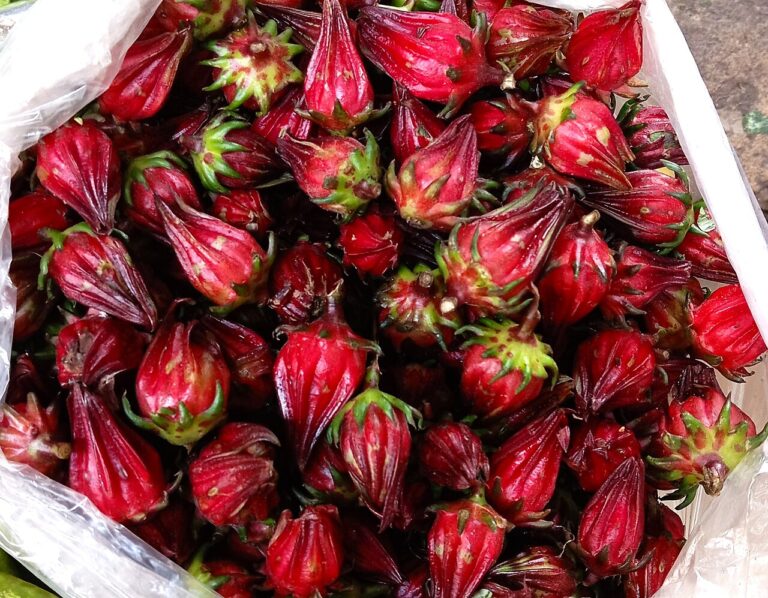
Tart, ruby-red hibiscus tea is drunk hot or iced from Egypt to Mexico and is one of the most-studied herbal teas for heart wellness. Here's what traditions use it for, what the trials show, how people brew it, and who should check first.
Juniper Berry
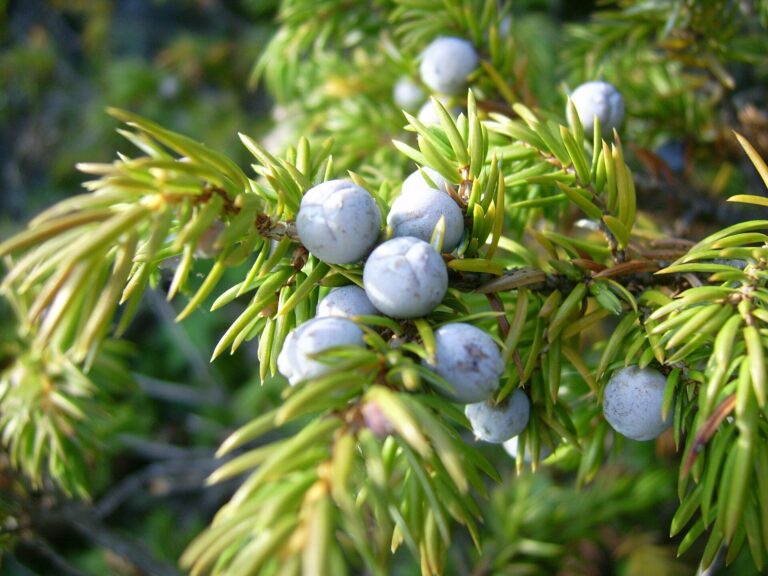
The berry that flavours gin has a long second life as a European and North American folk herb for the bladder and the belly. This profile covers how traditions use it, why the evidence is thin, and the clear limits on how long and for whom it's used.