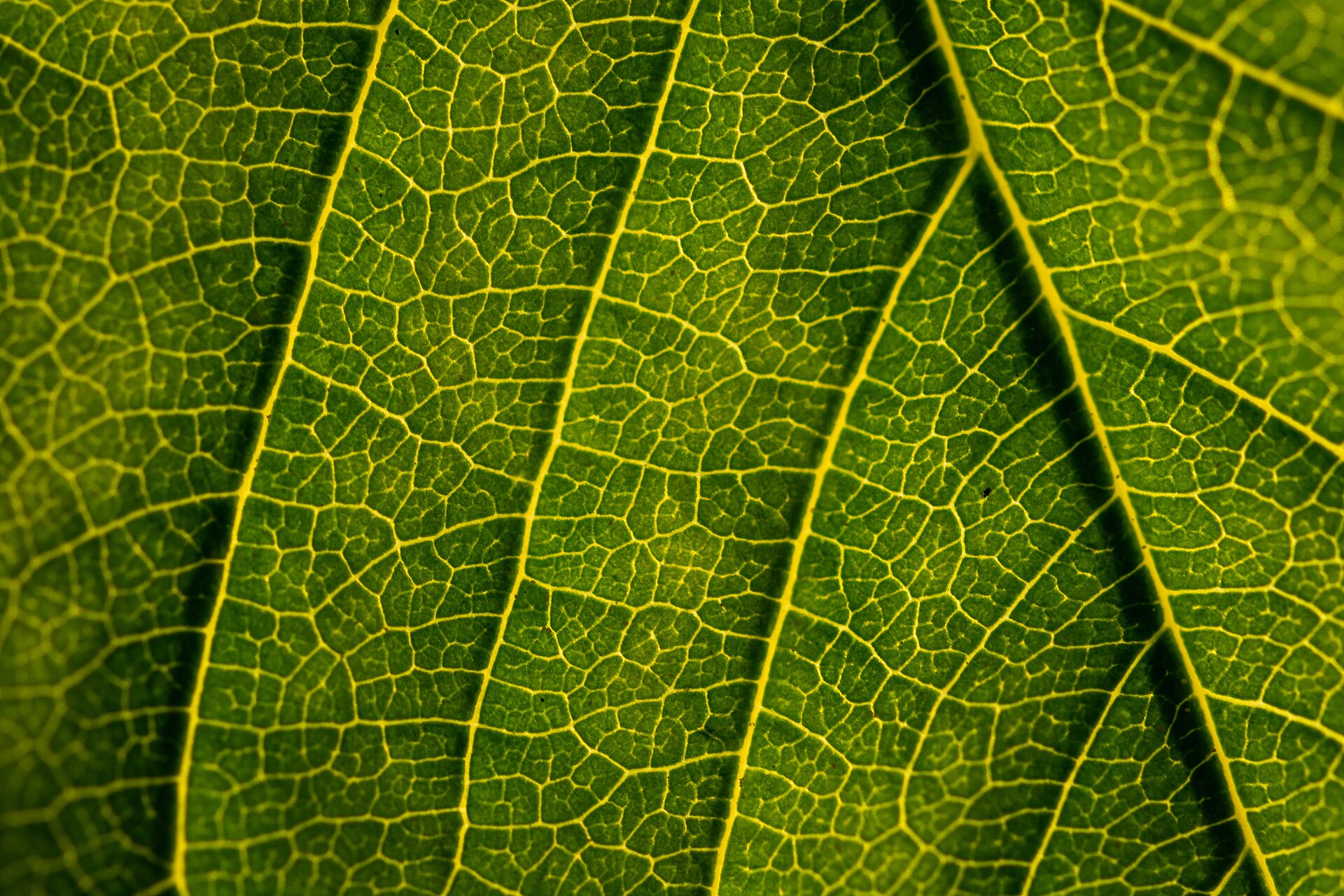
Liquid chlorophyll is usually copper chlorophyllin, and its one solid finding is as an aflatoxin binder. Here is its odd history from 1950s chlorophyll gum to social-media trend, what the research shows and does not, study amounts, and the sun-sensitivity and stool-test cautions.
Similar Posts
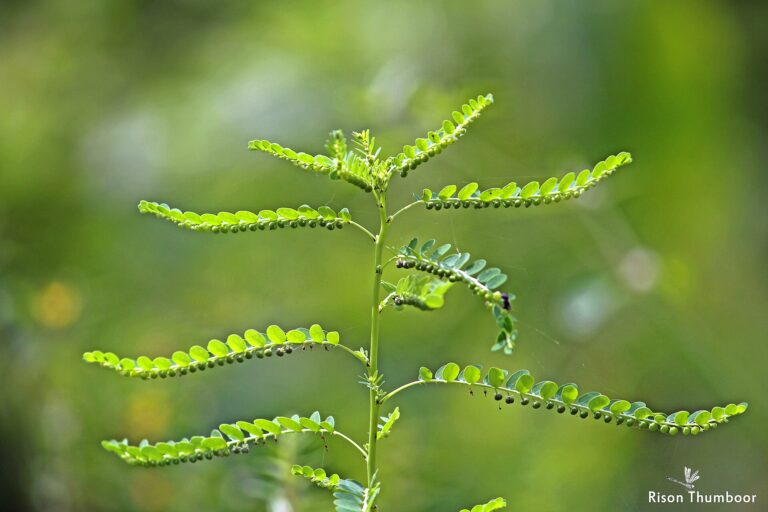
Chanca Piedra
Chanca piedra, the "stone breaker" herb of Brazil and India, is a popular tea for kidney, urinary and liver support. Here is its history, what the small studies on kidney stones and hepatitis B actually found, typical amounts, and the cautions to know first.
Zinc
Zinc is a trace mineral your body uses in hundreds of enzymes, from immune cells to skin repair. Here's how traditional medicine and naturopaths use it, what the research shows, and why more isn't better.
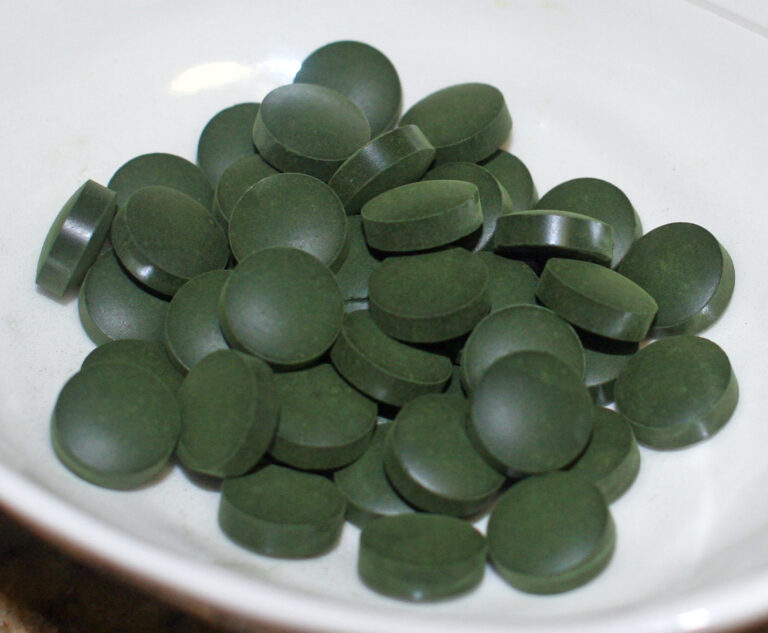
Spirulina
Spirulina is a deep blue-green algae powder that's been eaten as food for centuries, and many detoxers add it to smoothies during heavy-metal and liver routines. Members get the full entry: what the small studies found, typical amounts, and why where your spirulina comes from matters more than almost anything else.
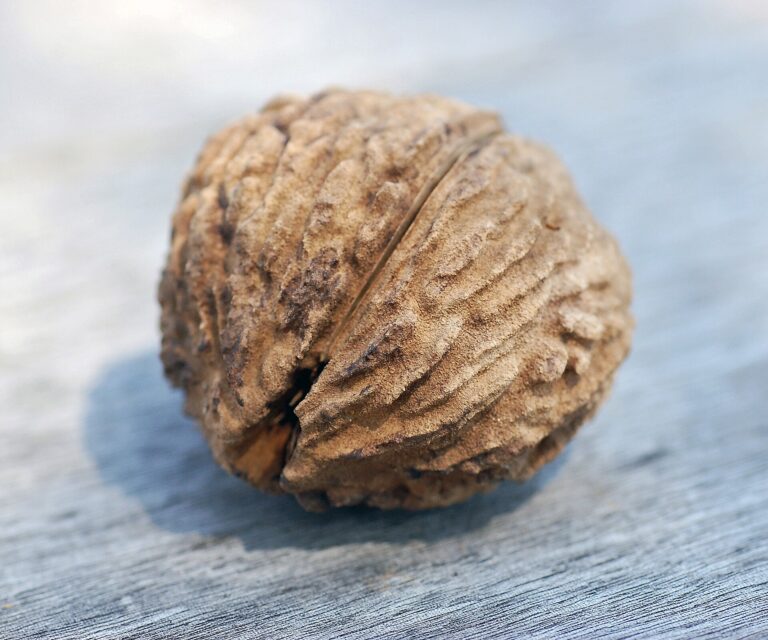
Black Walnut Hull
Black walnut hull is the bitter, dark-staining husk at the heart of the classic "wormwood, black walnut and clove" parasite cleanse. Members can read its traditional story, what the research does and doesn't show, and the safety points to know first.
Bitters (Gentian and Swedish Bitters)
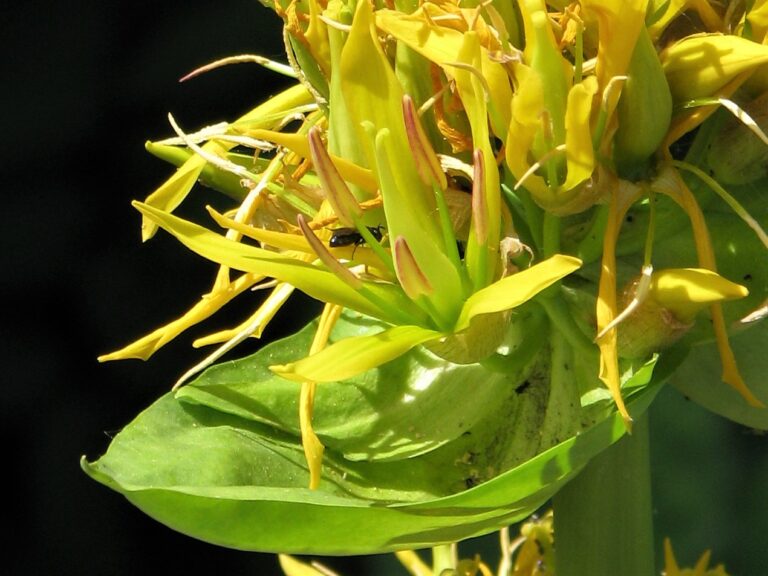
Gentian root and Swedish bitters are sipped before meals in European tradition to wake up appetite, digestion and bile flow. Here's the history, what the research does and doesn't show, the EU amounts, and why most Swedish bitters are short-term only.
Corn Silk
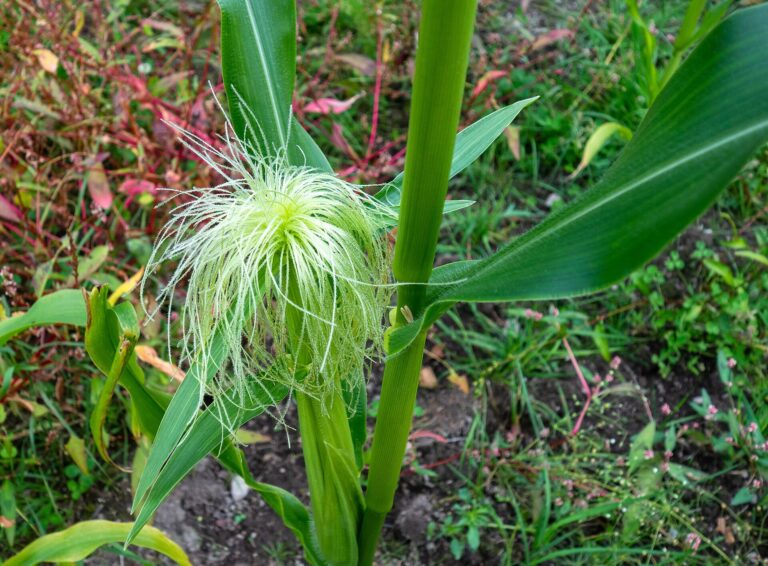
Corn silk, the fine threads at the top of an ear of corn, is a gentle traditional tea for the bladder and puffiness in Chinese and Native American medicine. Here is its history, the draft EU monograph amounts, what the evidence does and does not show, and the potassium and medicine cautions.