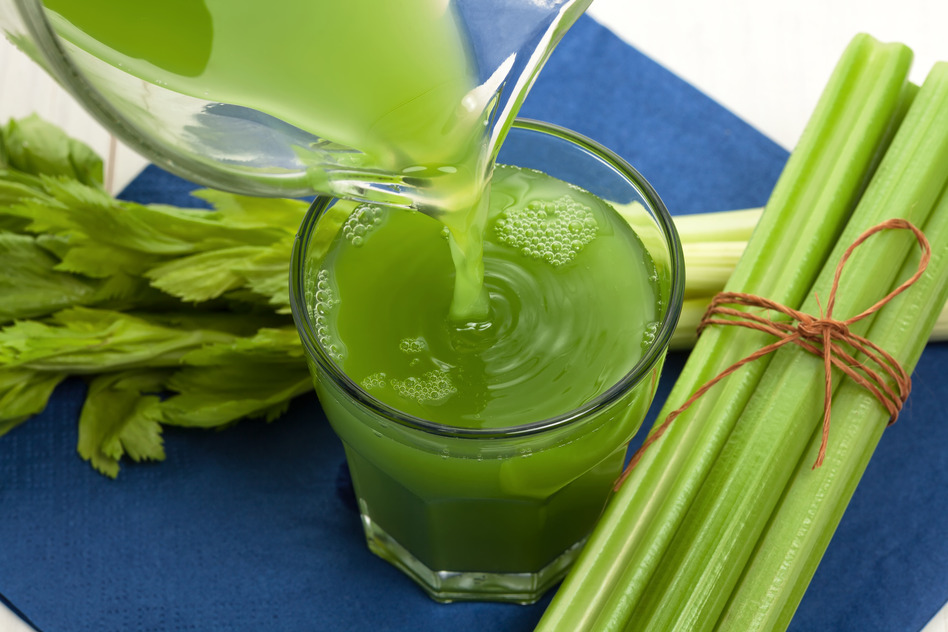
The 16 oz morning celery juice habit is one of the best-known detox trends. Here is where it came from, what the research actually shows (no human trials of the juice itself), what is in a glass, and the allergy, sun-sensitivity, sodium, warfarin and lithium cautions.
Similar Posts
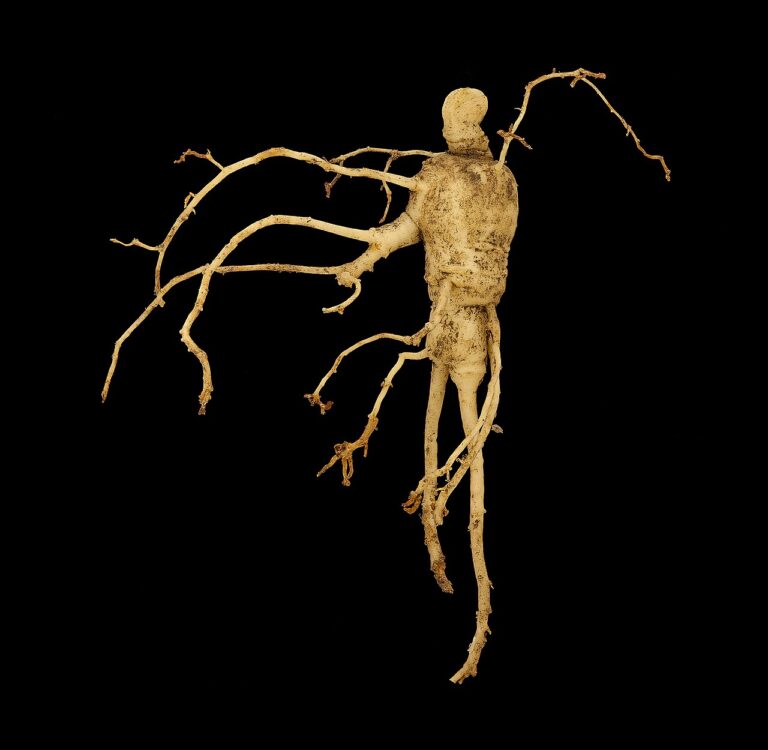
Ginseng (Asian and American)
Ginseng has been the prized "root of strength" in Chinese medicine for centuries, and American ginseng was a woodland medicine of Indigenous peoples before it became a major export to China. Here's how the two ginsengs differ in tradition, what modern studies show for energy and fatigue, and who should be careful with it.
Reishi Mushroom
Reishi is the glossy "mushroom of immortality" of Chinese and Japanese tradition, prized for over 2,000 years as a calming, strengthening tonic. Here's what traditional medicine uses it for, what the research says so far, and who should be careful with it.
Glutathione
Glutathione is the body's own main antioxidant, and detoxers take it as a supplement to back up the liver's natural clean-up work. Members get the full entry: what the small trials found about whether swallowed glutathione even gets absorbed, typical amounts, and the safety points to know first.
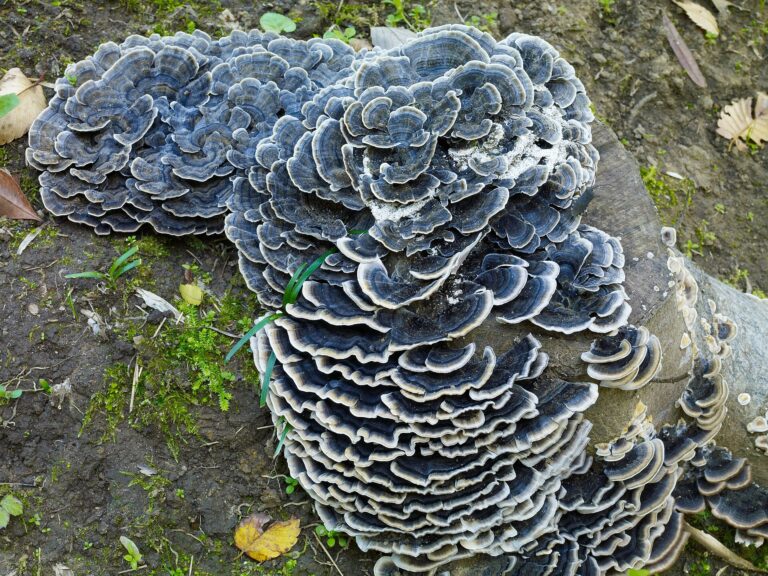
Turkey Tail Mushroom
A striped, fan-shaped mushroom that grows on fallen logs across North America, Europe and Asia, turkey tail is one of the most studied medicinal mushrooms in the world. It has a long history in Chinese and Japanese medicine as an immune tonic, and its extracts are used in hospitals in Japan and China.
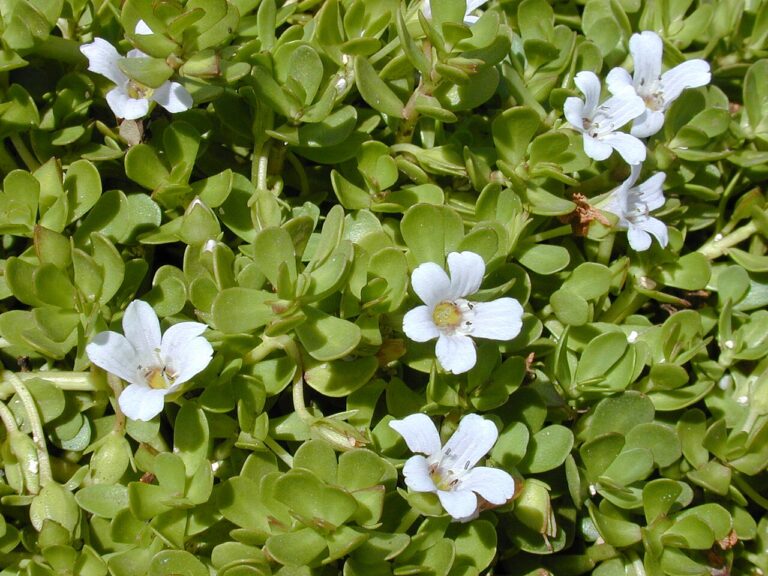
Bacopa (Brahmi)
Bacopa is the creeping wetland herb Ayurveda has prized for centuries as a "medhya" tonic for memory and the mind, and one of the most-studied memory herbs today. Members get the full profile: every traditional use, what the trials really showed, the official amounts, and the side effects and drug interactions to know first.
Fennel
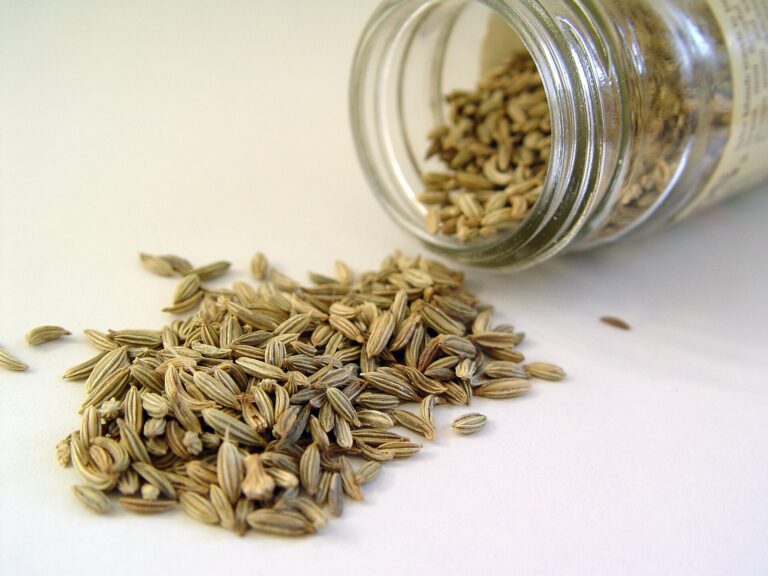
Fennel seed is the sweet, licorice-like seed behind many after-dinner teas, traditionally used to ease bloating and gas. Members can read what the research says, typical amounts from the official European monograph, and who should skip it.