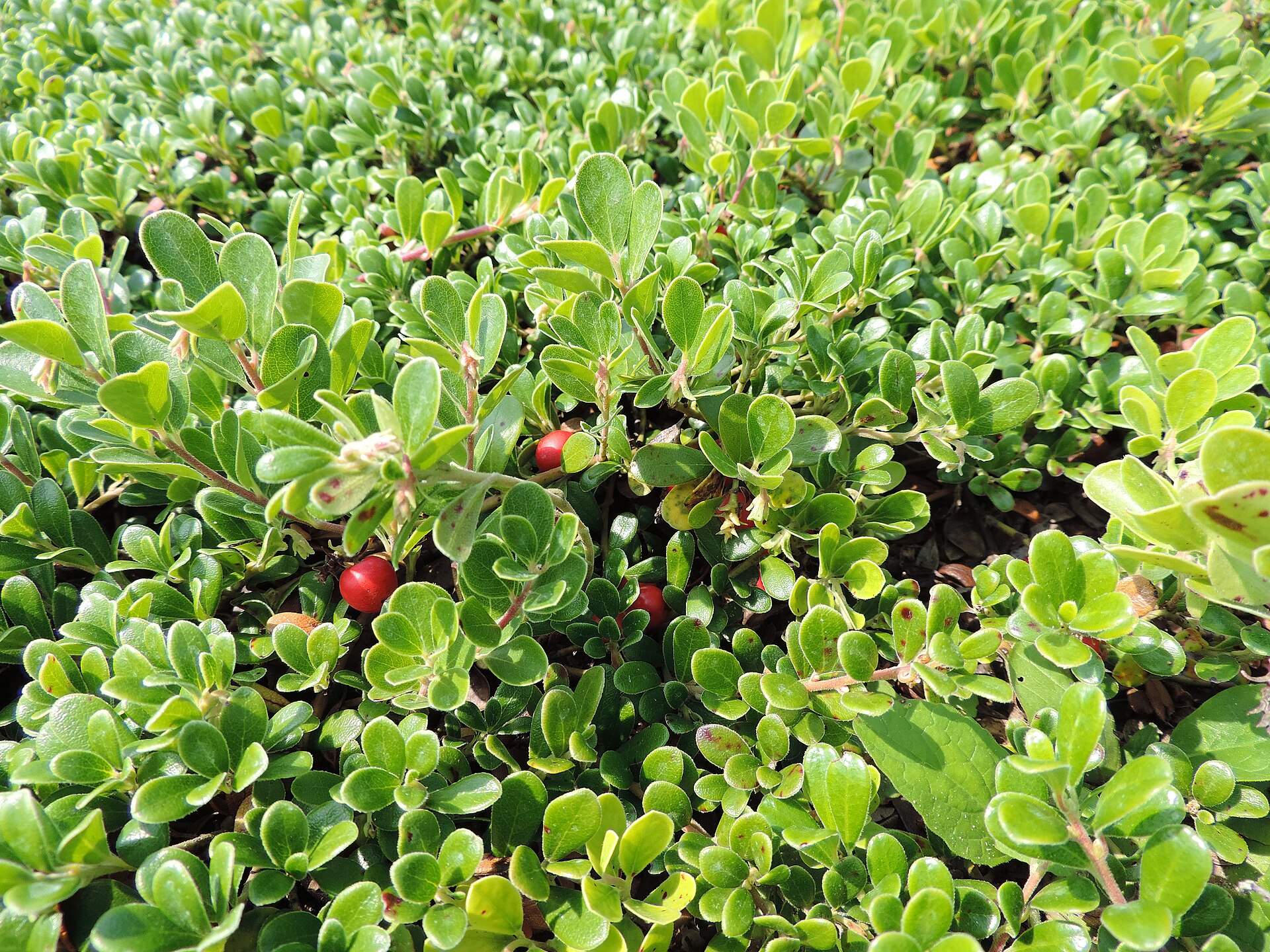
Uva ursi, or bearberry, is one of the best-known traditional bladder herbs, and one with the strictest limits. Here is its history from Welsh physicians to kinnikinnick, what the EU monograph and a 382-woman trial say, the one-week amounts, and who should not use it.
Similar Posts
Licorice Root
One of the oldest and most widely used herbs on earth, licorice root is the sweet "harmonizer" of Chinese formulas and a soothing tonic in Ayurveda. Here's what traditions use it for, what the research shows, and why it's one herb you need to respect.
Yellow Dock
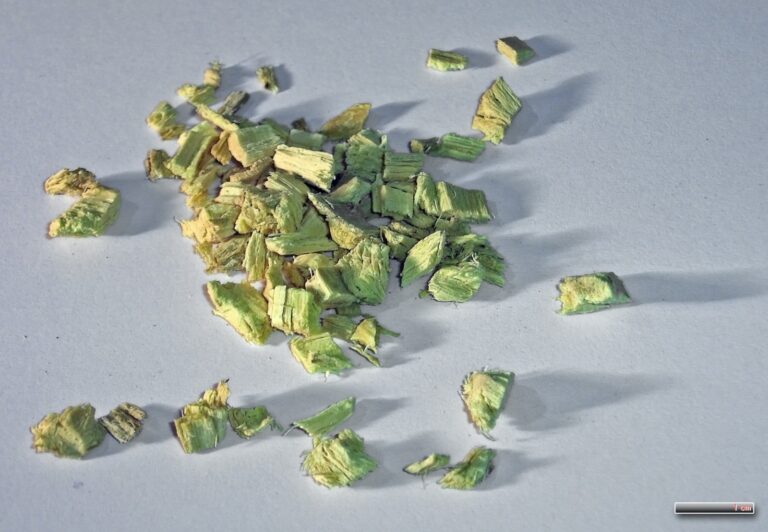
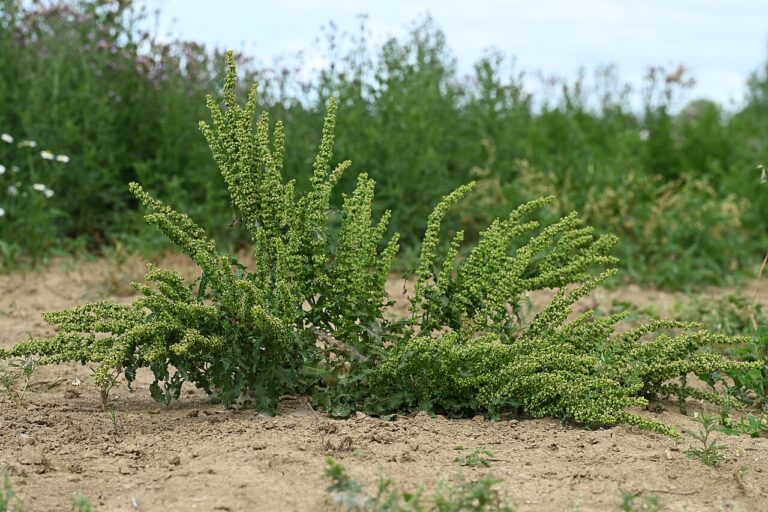
Yellow dock was one of the classic "blood purifiers" of 19th-century herbal medicine, and it still turns up in liver and lymph cleanse blends and folk iron tonics. Members get the full entry: its history around the world, what the research does and doesn't show, traditional amounts, and why its safety section is longer than its benefits.
Celery Juice
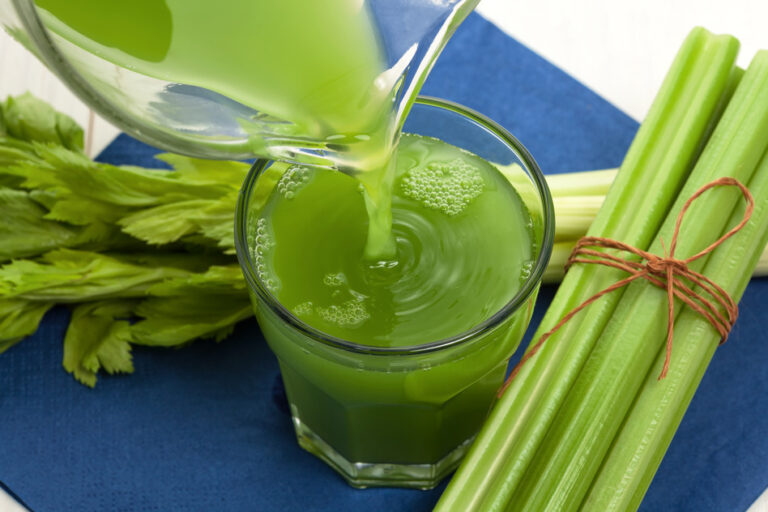
The 16 oz morning celery juice habit is one of the best-known detox trends. Here is where it came from, what the research actually shows (no human trials of the juice itself), what is in a glass, and the allergy, sun-sensitivity, sodium, warfarin and lithium cautions.
Broccoli Sprouts
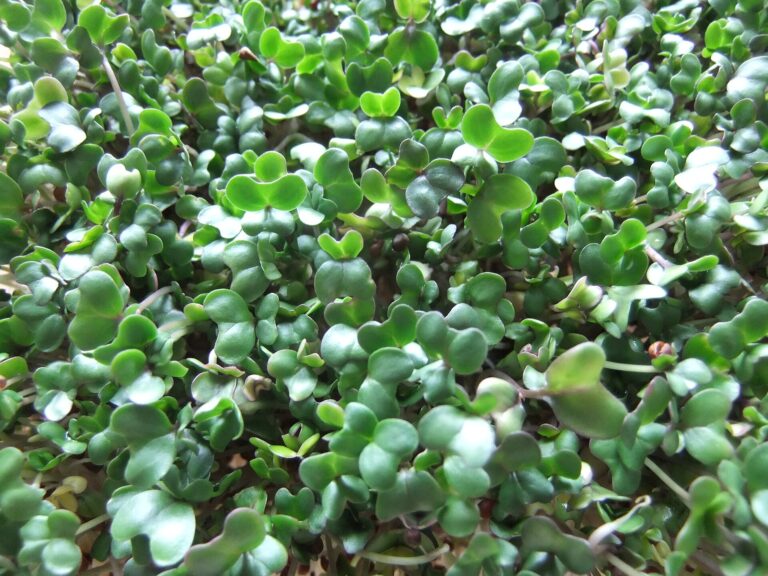
Tiny broccoli sprouts carry far more of the compound that becomes sulforaphane than grown broccoli does, and they're one of the few "detox foods" tested in a large human trial on air pollutants. Here's what that trial found, the forms people use, and the food-safety cautions for raw sprouts.
Reishi Mushroom
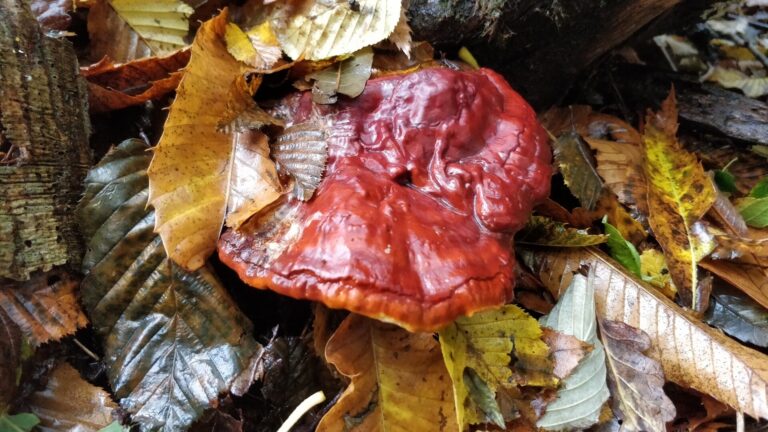
Reishi is the glossy "mushroom of immortality" of Chinese and Japanese tradition, prized for over 2,000 years as a calming, strengthening tonic. Here's what traditional medicine uses it for, what the research says so far, and who should be careful with it.
Bitters (Gentian and Swedish Bitters)
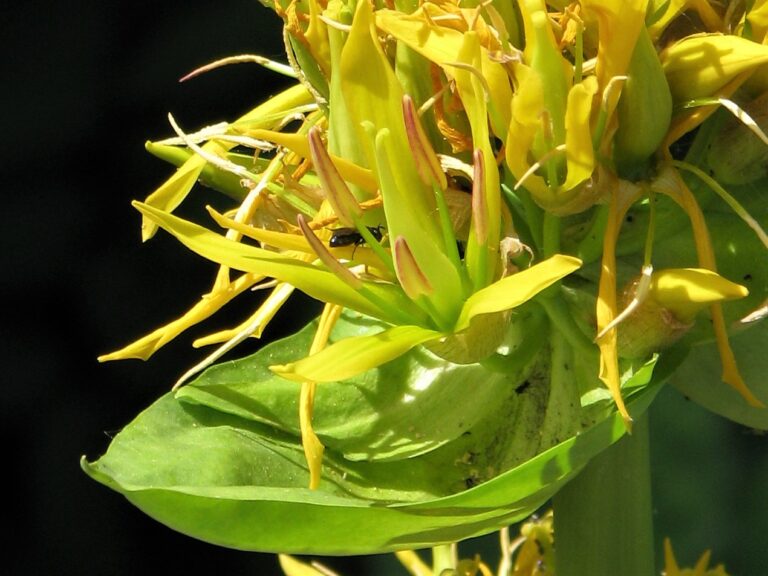
Gentian root and Swedish bitters are sipped before meals in European tradition to wake up appetite, digestion and bile flow. Here's the history, what the research does and doesn't show, the EU amounts, and why most Swedish bitters are short-term only.