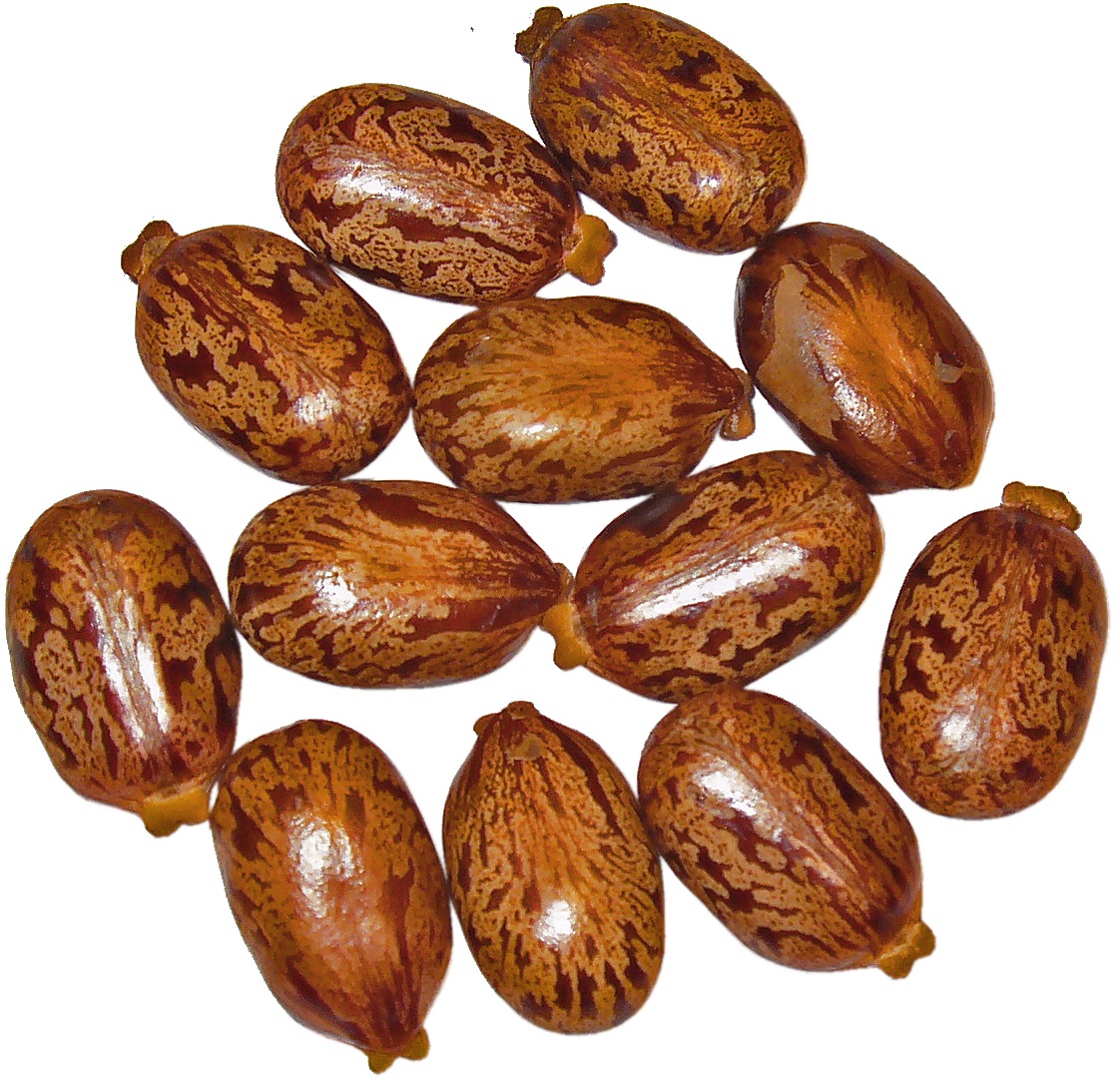
A castor oil pack is an oil-soaked cloth laid over the belly and warmed, a slow, quiet ritual many detoxers use on rest days. Members can read where the practice comes from, what the (very small) research shows, how people traditionally set it up, and the safety points that matter.
Similar Posts
Neem
Neem is a bitter Indian tree that Ayurveda has used for centuries, and it turns up in many parasite and candida cleanses today. Members get the full entry: what the lab and small human studies show, how people take the leaf, and why neem oil should never be swallowed.
Cat’s Claw
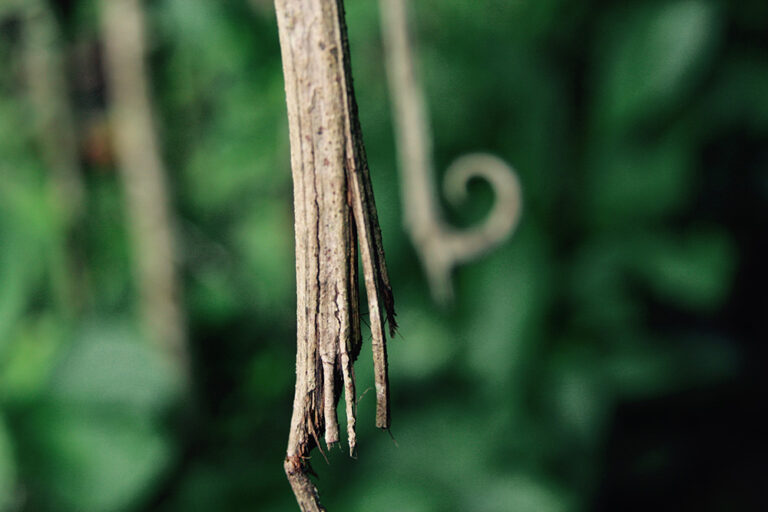
A thorny vine from the Amazon rainforest, named for the curved hooks on its stems, that Peruvian peoples have boiled into a bitter bark tea for generations. Here's what tradition and research say about it, and who should be careful.
Pumpkin Seeds
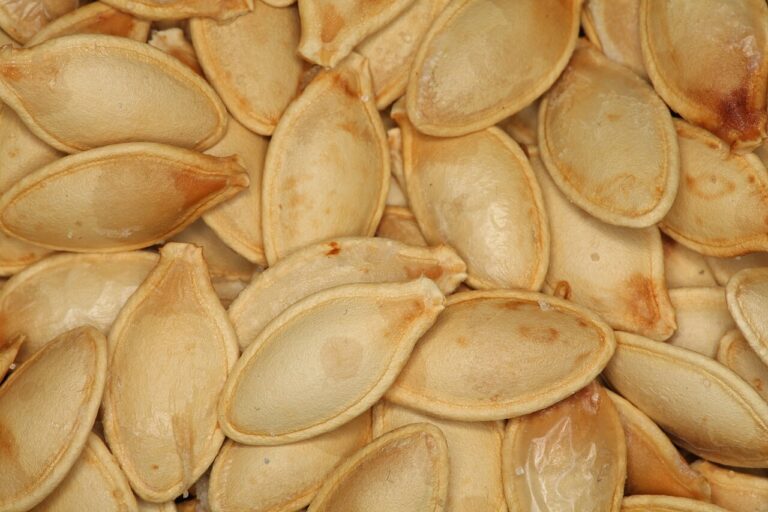
Pumpkin seeds were an official worm remedy in US pharmacy books for over 70 years, and today they're one of the most-shared "parasite cleanse" foods online. Members get the full entry: where the tradition comes from, the one human tapeworm study (and why it can't be copied at home), typical food amounts, and who should be careful.
Mimosa Pudica Seed
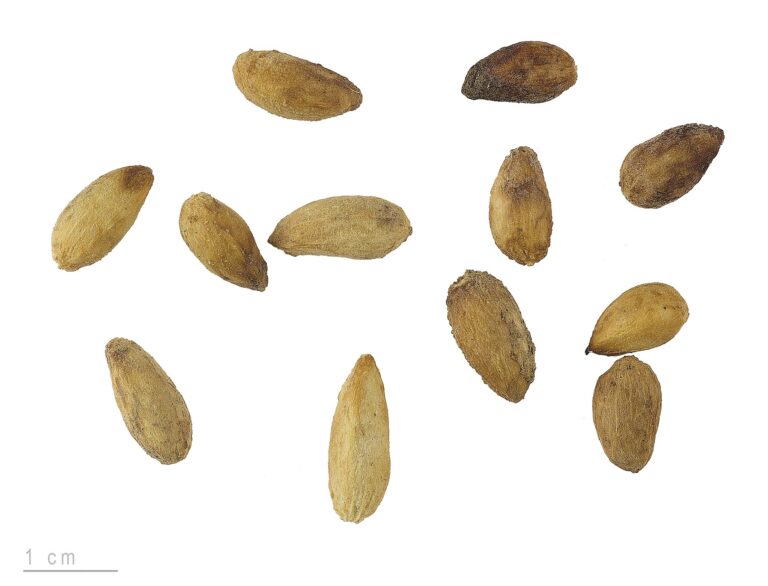
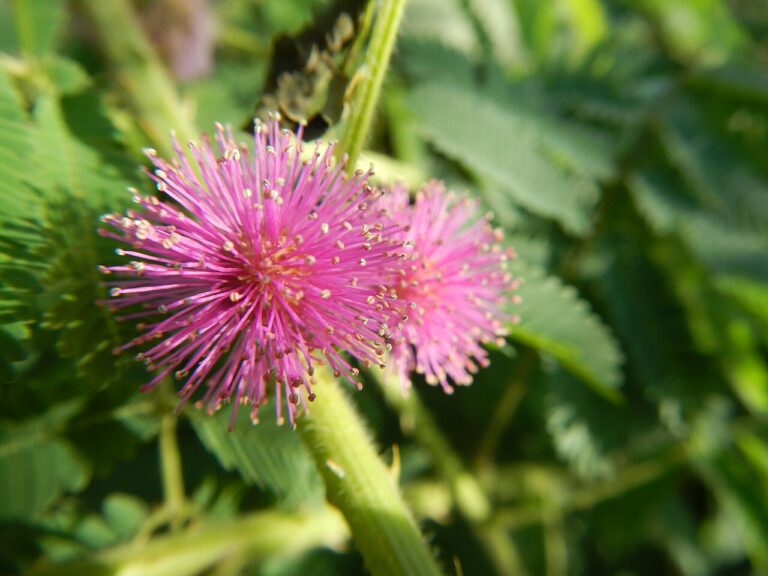
Mimosa pudica, the "sensitive plant" whose leaves fold shut when touched, has become one of the most talked-about parasite-cleanse seeds online. Members get the full entry: its Ayurvedic and folk history, what the lab studies do and don't show, what labels list, and the safety gaps to know before trying it.
Slippery Elm
Slippery elm is a North American tree bark that turns silky and gel-like in water, and it's a favourite gentle "soother" in gut-focused routines. Members can read its long history, what the (thin) research shows, and the timing and safety points to know first.
Calendula
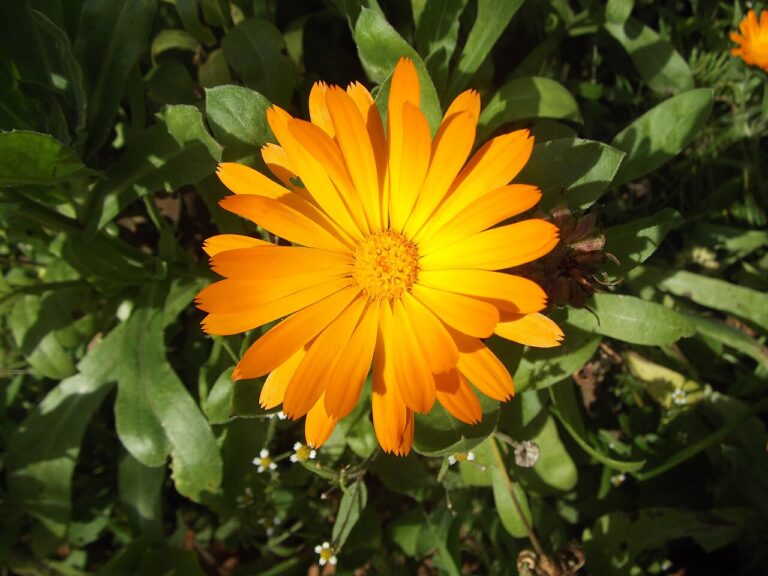
The bright orange "pot marigold" of cottage gardens, used for centuries to soothe sore skin and dress wounds. Today it's one of the best-known herbs in creams, salves and baby balms.