Rebounding means gentle bouncing on a small fitness trampoline, and it’s a favourite in detox circles for “getting the lymph moving.” Members can read where that idea came from, what the research does (and doesn’t) show, how studies set up their sessions, and who should stay off the rebounder.

Similar Posts
Broccoli Sprouts
Tiny broccoli sprouts carry far more of the compound that becomes sulforaphane than grown broccoli does, and they're one of the few "detox foods" tested in a large human trial on air pollutants. Here's what that trial found, the forms people use, and the food-safety cautions for raw sprouts.
Fennel
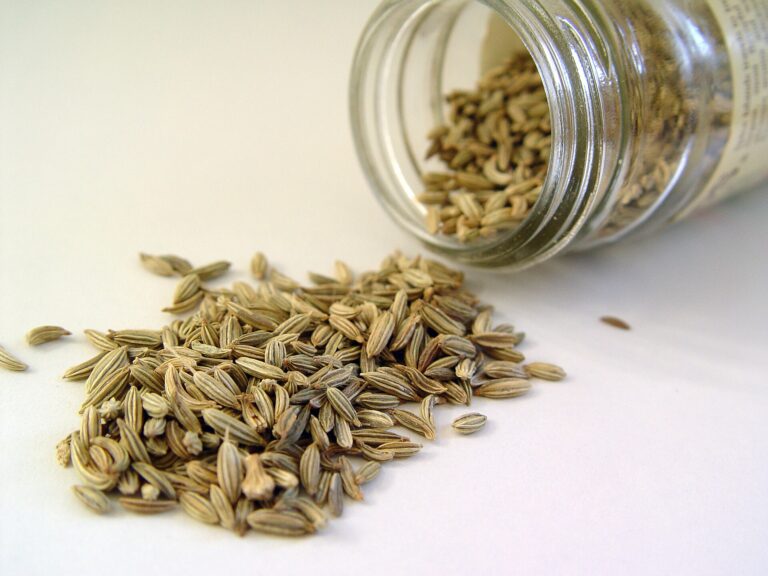
Fennel seed is the sweet, licorice-like seed behind many after-dinner teas, traditionally used to ease bloating and gas. Members can read what the research says, typical amounts from the official European monograph, and who should skip it.
Neem
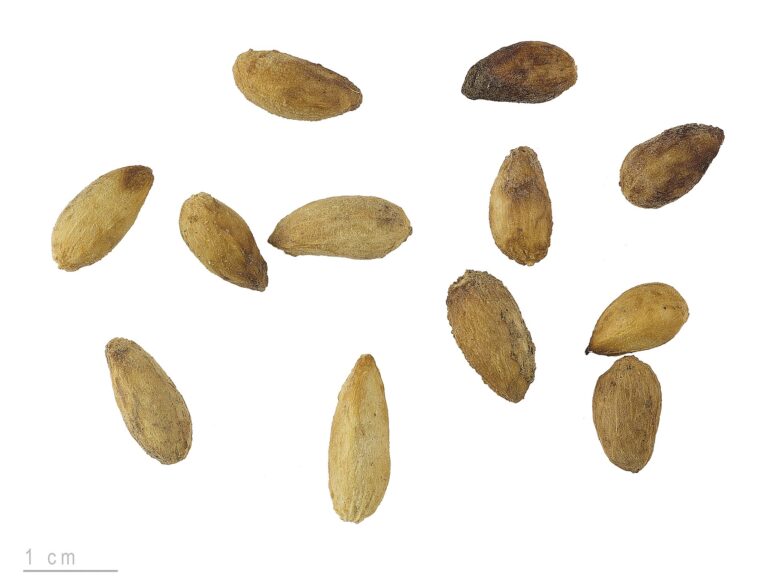
Neem is a bitter Indian tree that Ayurveda has used for centuries, and it turns up in many parasite and candida cleanses today. Members get the full entry: what the lab and small human studies show, how people take the leaf, and why neem oil should never be swallowed.
Parsley
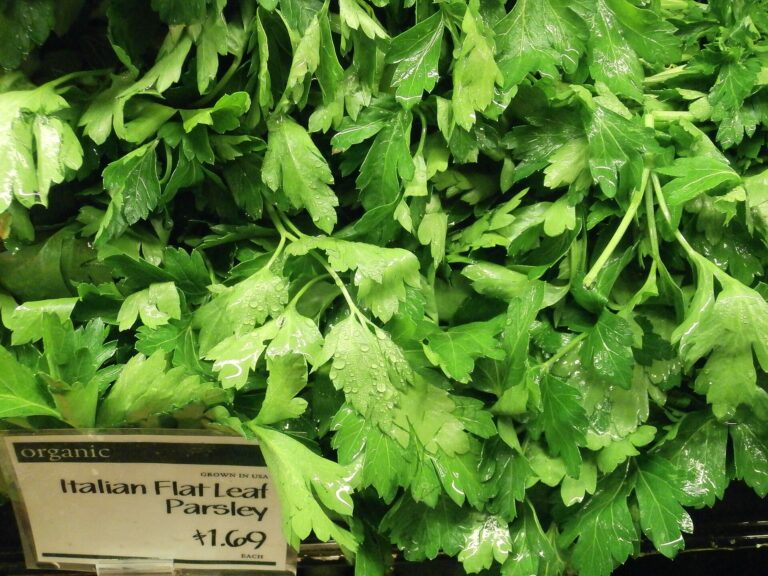
Parsley is the kitchen herb detoxers turn into "kidney flush" teas, parsley water and green juices. Here is its traditional "water herb" use, what the evidence does and does not show, why it does not dissolve kidney stones, and the pregnancy, oxalate and medicine cautions.
Sauna
Sweating it out in a sauna is one of the oldest cleansing rituals there is. Here's what sweat really carries out of the body, what decades of Finnish research found about heart health, and who should check with a doctor before stepping into the heat.
Diatomaceous Earth (safety entry)
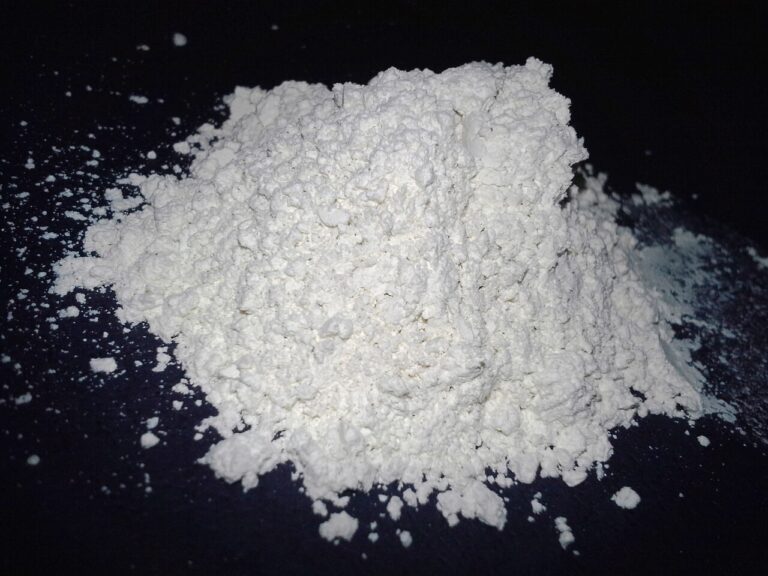
Food-grade diatomaceous earth is a fine white powder made from fossilized algae, sold for garden pests and stirred into water by some detoxers for "parasites" and "heavy metals". Members get the full entry: where the idea comes from, what the research actually shows (spoiler: very little in people), and the breathing risk that matters more than any claimed benefit.