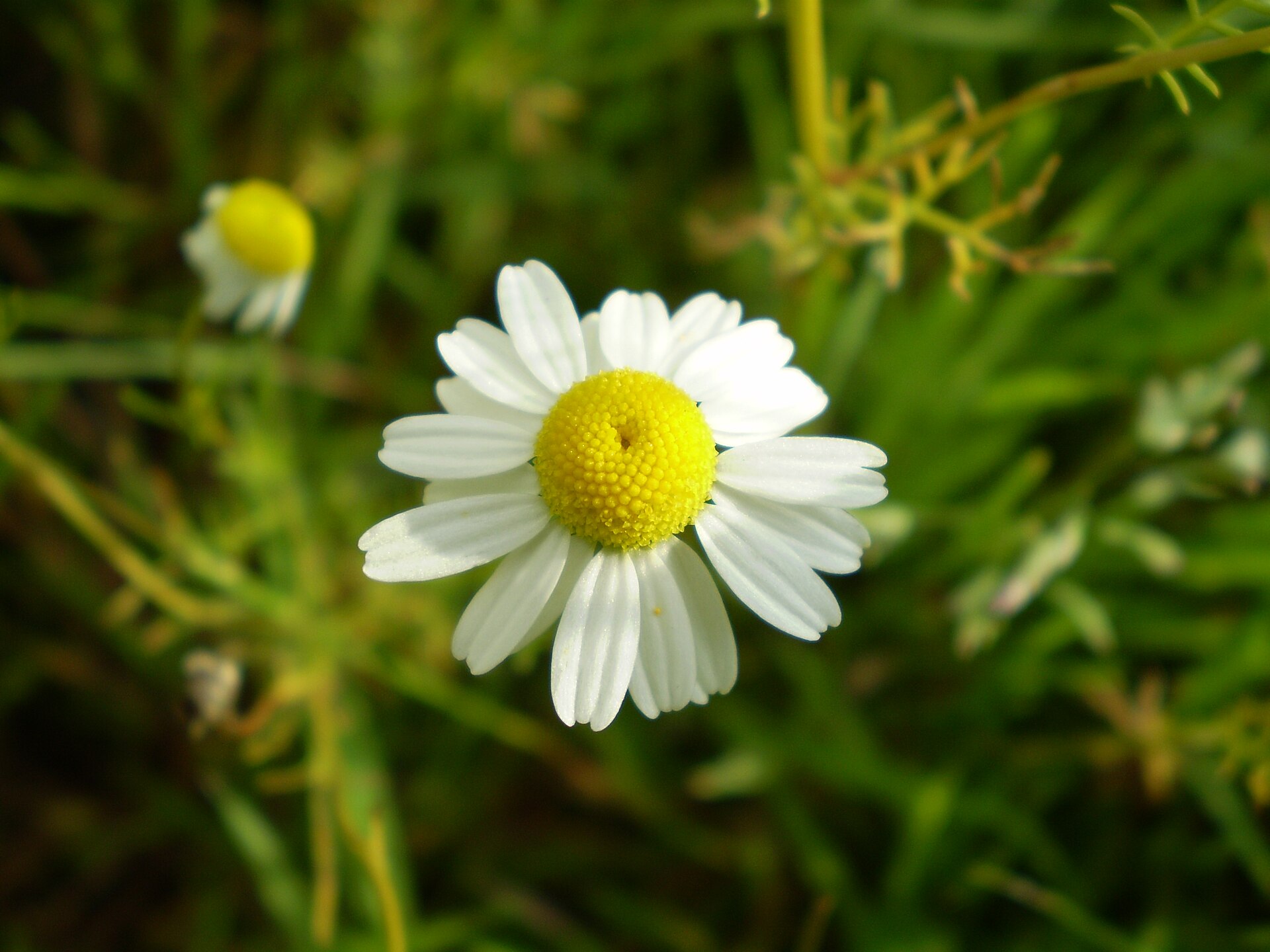
One of the oldest and gentlest herbs in the world, with more than a million cups of its tea drunk every day. Here’s how tradition uses chamomile for nerves, sleep, digestion, mouth and skin, what the research shows, and the one allergy to watch for.
Similar Posts
Clove
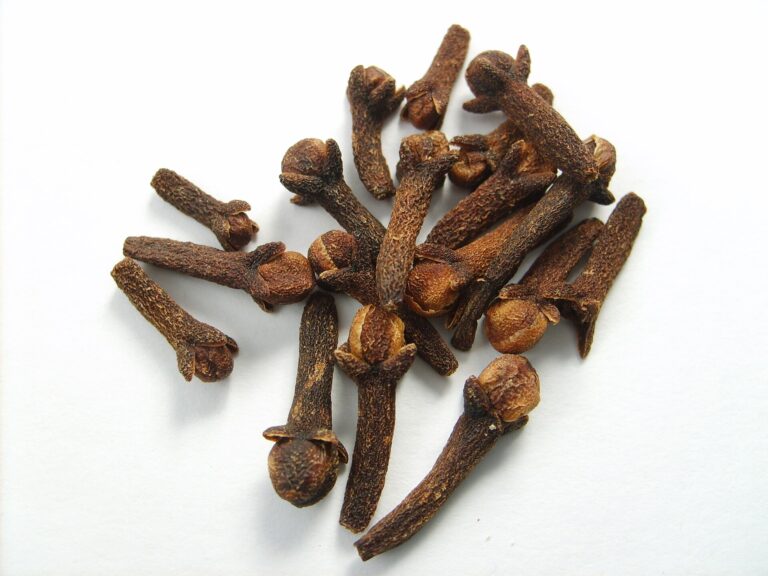
Clove is the warming kitchen spice that rounds out the classic three-herb parasite cleanse, alongside black walnut and wormwood. Members can read what the research really shows, what product labels list, and why clove oil is a very different thing from ground clove.
Licorice Root
One of the oldest and most widely used herbs on earth, licorice root is the sweet "harmonizer" of Chinese formulas and a soothing tonic in Ayurveda. Here's what traditions use it for, what the research shows, and why it's one herb you need to respect.
Valerian
Valerian has been the classic "sleep root" since the days of Hippocrates and Galen, and it's still one of the most-used herbs for restless nights and nervous tension. Here's how tradition uses it, what the research on sleep really shows, why it can take a few weeks to work, and who should skip it.
Gas: natural options
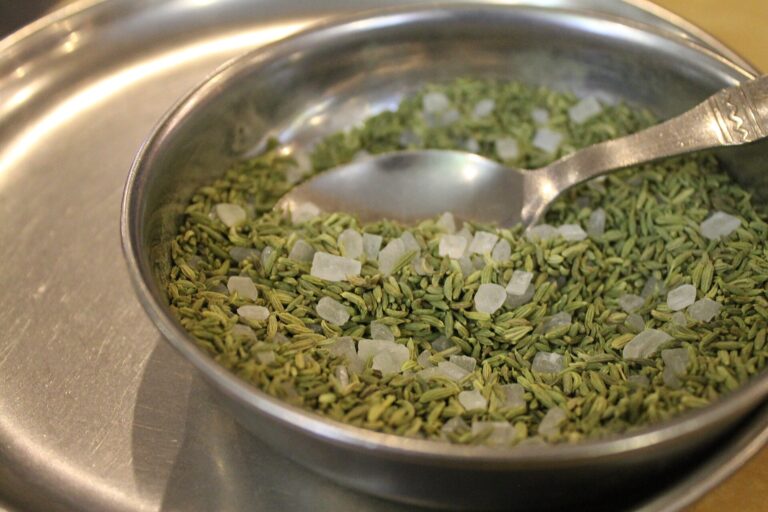
Everyone has gas: most people pass it up to 20 times a day. This entry sorts the kitchen spices, teas, bean-cooking tricks, enzymes and breathing practices people use for extra wind and burping by how well they're backed, and flags when gas is a sign to see a doctor.
Green Tea
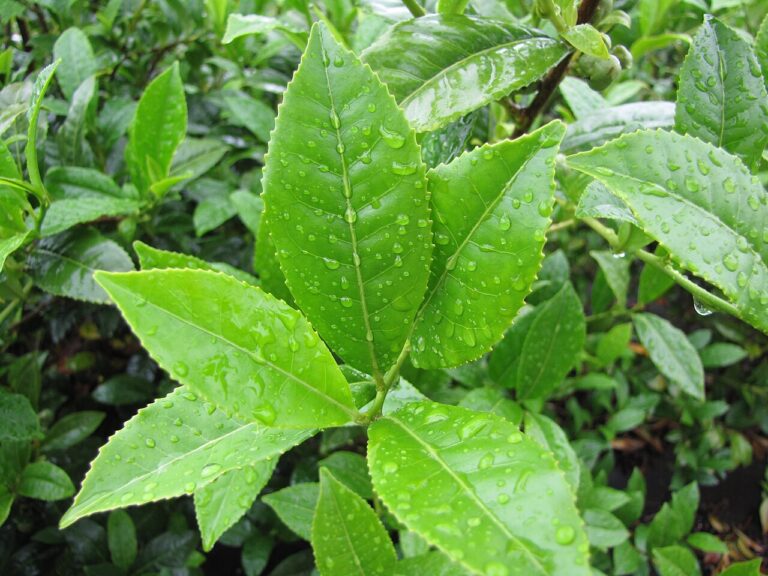
The tea plant was first grown in China thousands of years ago, and a Japanese monk wrote in 1211 that tea was a medicine for long life. Today green tea is one of the world's most-loved daily drinks, and its leaf and extracts are some of the most-studied plant compounds there are.
Bitter Melon
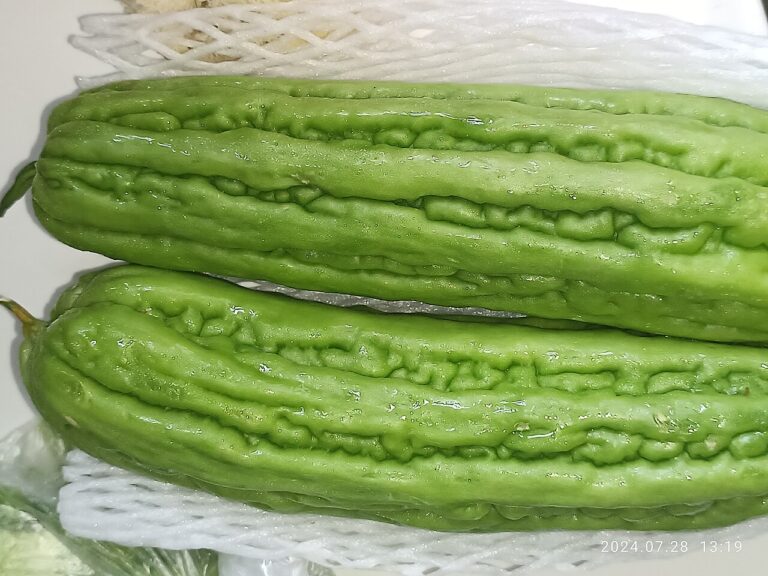
A knobbly green gourd that is everyday food from India and China to the Philippines, and the famously bitter "cerasee" bush tea of Jamaica and the Caribbean. Few plants are used in as many traditional kitchens and medicine systems at once.