IBS-type discomfort is common and very personal. This guide walks through every natural option people use, from soluble fibre and peppermint oil to gut-directed hypnotherapy, with honest evidence labels and the warning signs that mean see a doctor first.
Similar Posts
Garlic
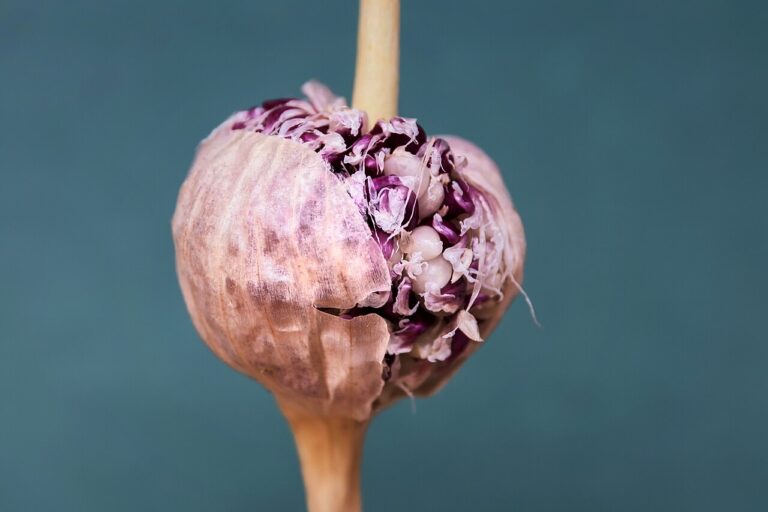
Garlic fed the pyramid builders, went into Hippocrates' remedies and is still one of the most used herbs in Ayurveda and Chinese medicine. Here's how each tradition uses it, what the bigger modern studies found for blood pressure, cholesterol and colds, and the medicine interactions that come with the supplements.
Fermented Foods (sauerkraut, kimchi, kefir)
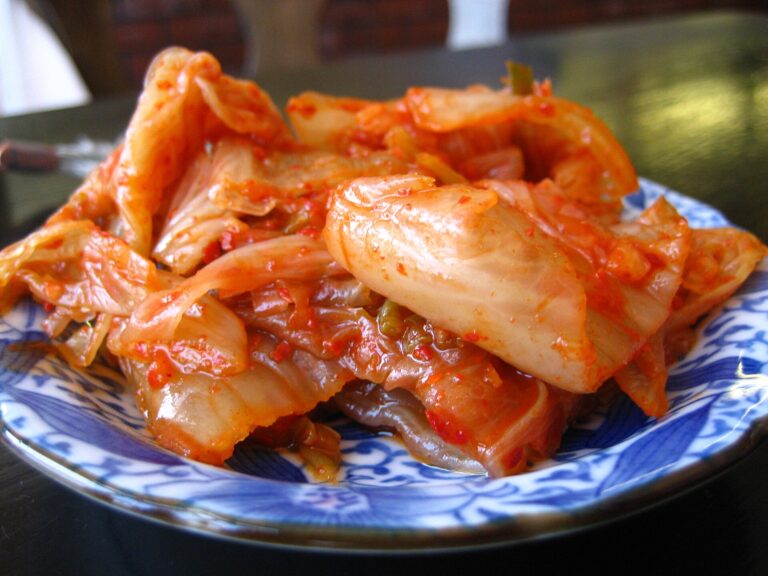
Cabbage in a crock, kimchi buried in clay jars for winter, kefir and spiced buttermilk after a meal: almost every food culture has a soured food. Here's what fermented foods are, what research has started to show, and how to choose or make them safely.
Psyllium (Isabgol)
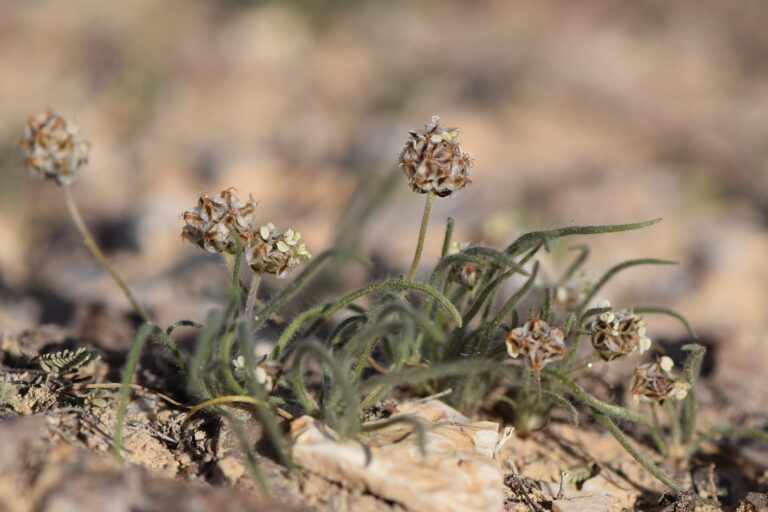
Psyllium, known in India as isabgol, is the plant fibre behind many everyday fibre supplements, and it has some of the strongest research of any herb in the vault. Here's how traditions use it, what the newest guidelines say, and how to take it safely.
Zinc
Zinc is a trace mineral your body uses in hundreds of enzymes, from immune cells to skin repair. Here's how traditional medicine and naturopaths use it, what the research shows, and why more isn't better.
Rose Petal
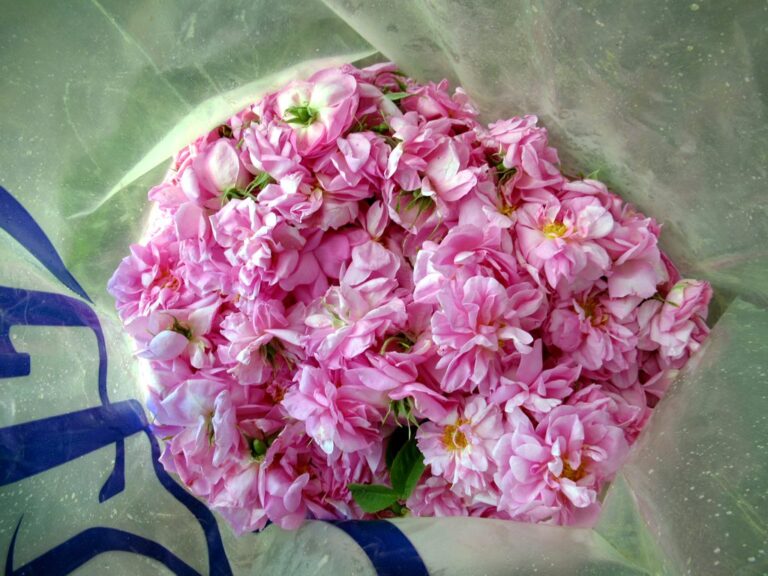
Long before rose was a perfume, Persian, Greek and European healers used the petals for sore mouths, nervous hearts and slow bowels. Today the EU recognises rose flower infusions for mild mouth, throat and skin inflammation, and one study tested rose tea for period pain. Here's the tradition, the research, how to brew it, and the cautions that matter.
Vitex (Chaste Tree Berry)
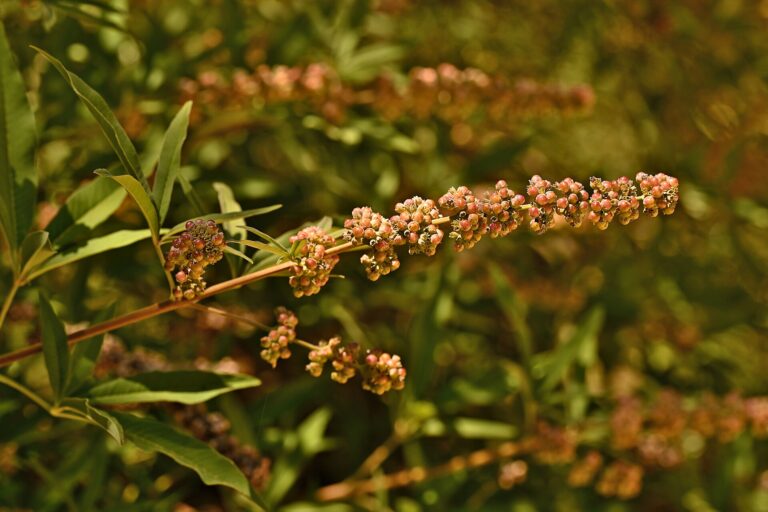
Vitex is the peppery little berry of the chaste tree, used by women for over two thousand years and best known today for the days before a period. In Europe one vitex extract is an approved herbal medicine for premenstrual syndrome.