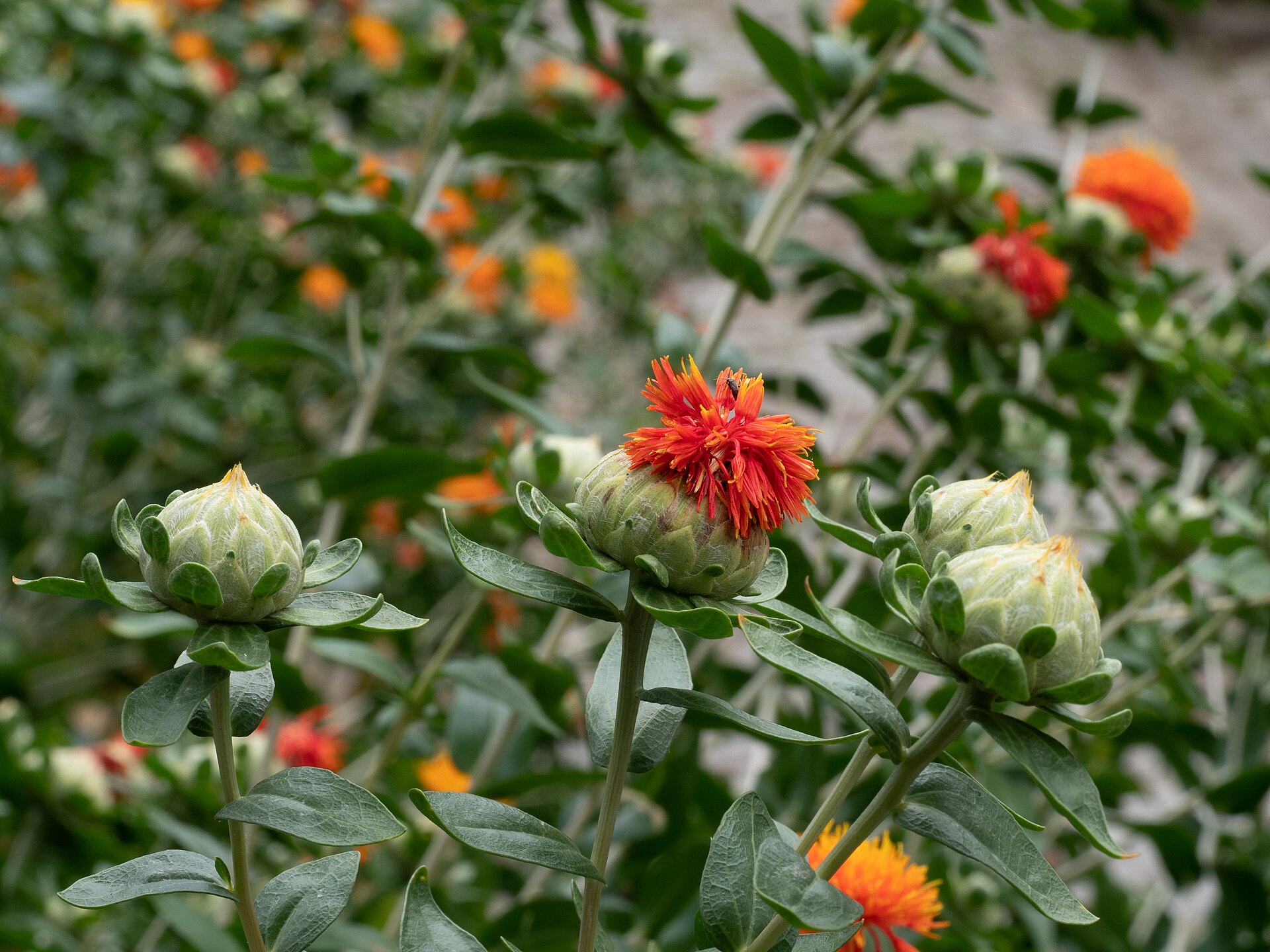
Safflower is the bright orange “false saffron” flower that’s also the source of a common kitchen oil. The vault page explains why the flower and the oil are two very different products, and who should leave the flower alone.
Similar Posts
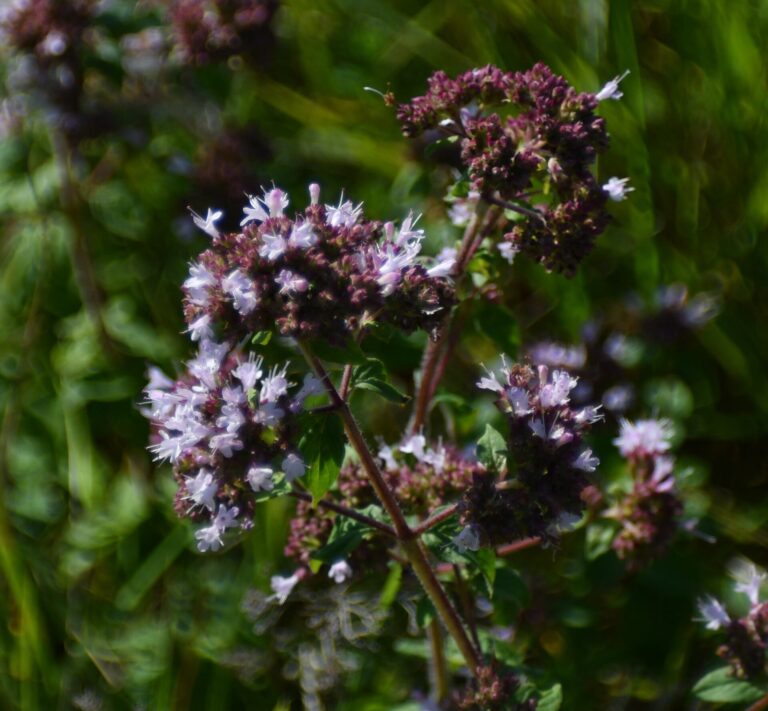
Oregano Oil
Oil of oregano is a strong-tasting herbal oil that many people add to parasite and gut & candida cleanses. Here's what the (small) research shows, the forms people use, and why it needs more care than the oregano in your kitchen.
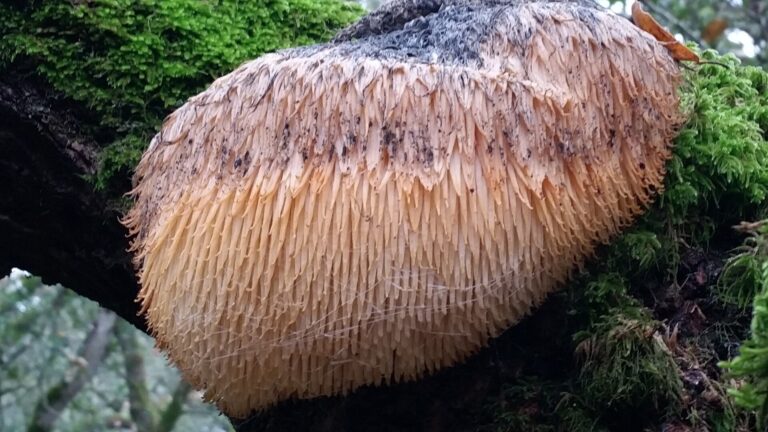
Lion’s Mane Mushroom
Lion's mane is the shaggy white "monkey head" mushroom of Chinese and Japanese tradition, eaten as a delicacy and used for centuries to support the stomach and, more recently, memory and mood. Here's what tradition says, what the early research shows, and who should be careful with it.
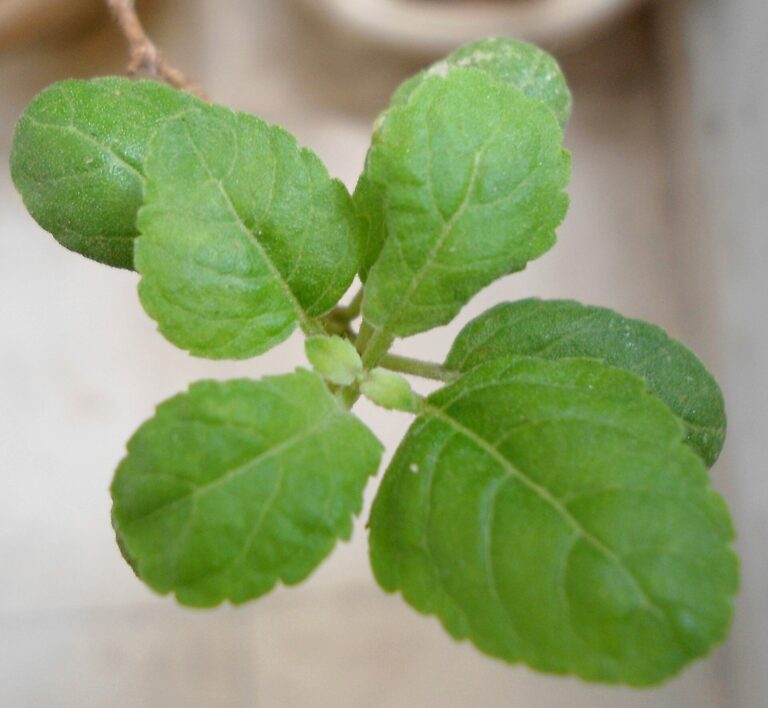
Holy Basil (Tulsi)
Sacred in Hindu tradition and called the "elixir of life" in Ayurveda, tulsi has been a daily tonic in India for thousands of years. Here's what tradition uses it for, what the modern studies show, and who should be careful with it.
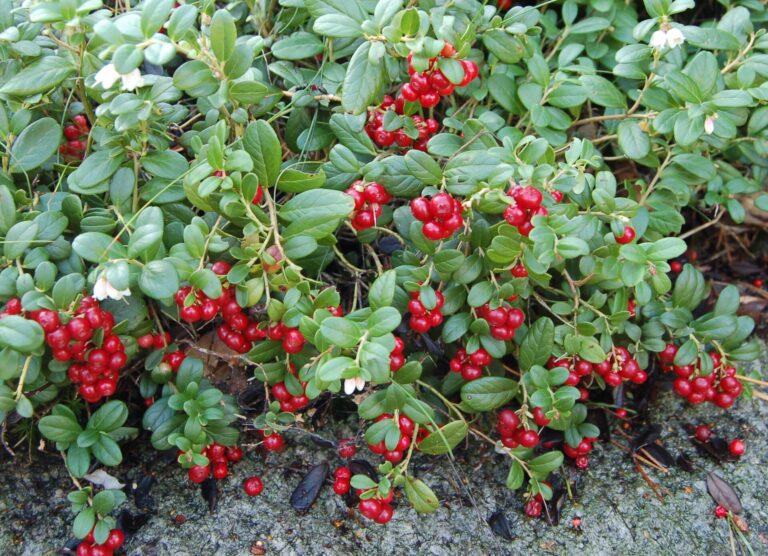
Lingonberry
The tart red berry of Nordic kitchens and Newfoundland "partridgeberry" jam is also a folk urinary remedy, and its juice, blended with cranberry, is in some of the best-known bladder-infection trials. Here's what it's used for, what the studies show, and why the berry and the leaf are two very different safety stories.
Pumpkin Seeds
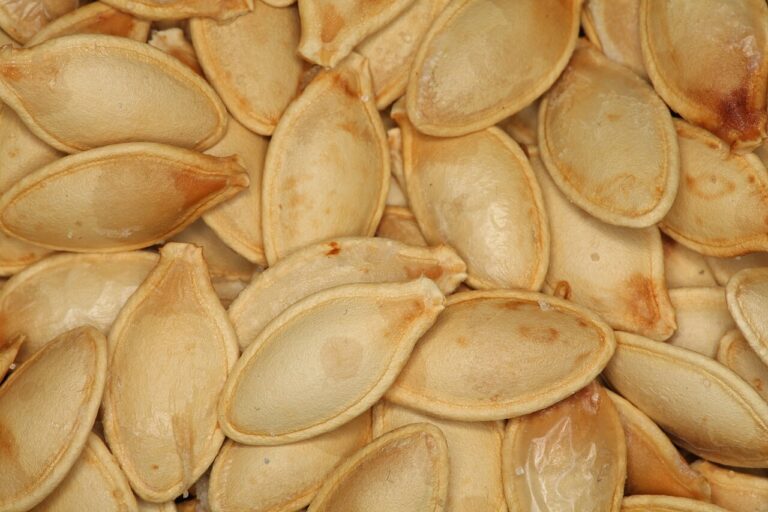
Pumpkin seeds were an official worm remedy in US pharmacy books for over 70 years, and today they're one of the most-shared "parasite cleanse" foods online. Members get the full entry: where the tradition comes from, the one human tapeworm study (and why it can't be copied at home), typical food amounts, and who should be careful.
Uva Ursi
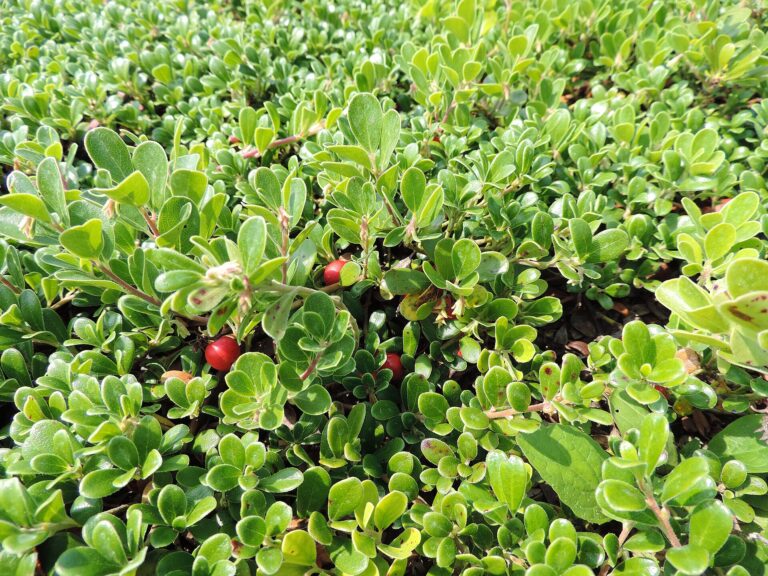
Uva ursi, or bearberry, is one of the best-known traditional bladder herbs, and one with the strictest limits. Here is its history from Welsh physicians to kinnikinnick, what the EU monograph and a 382-woman trial say, the one-week amounts, and who should not use it.