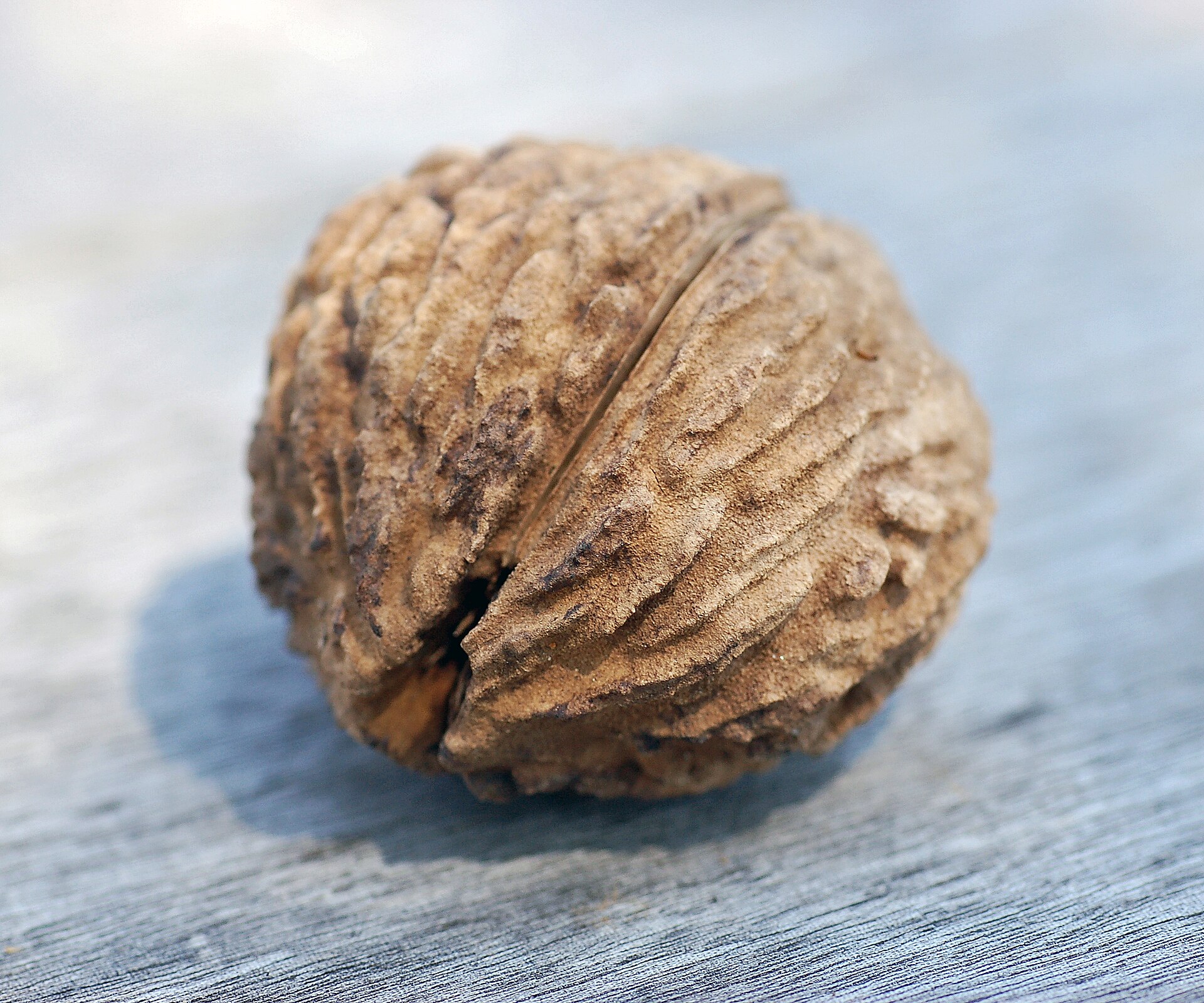
Black walnut hull is the bitter, dark-staining husk at the heart of the classic “wormwood, black walnut and clove” parasite cleanse. Members can read its traditional story, what the research does and doesn’t show, and the safety points to know first.
Similar Posts
Apple Cider Vinegar
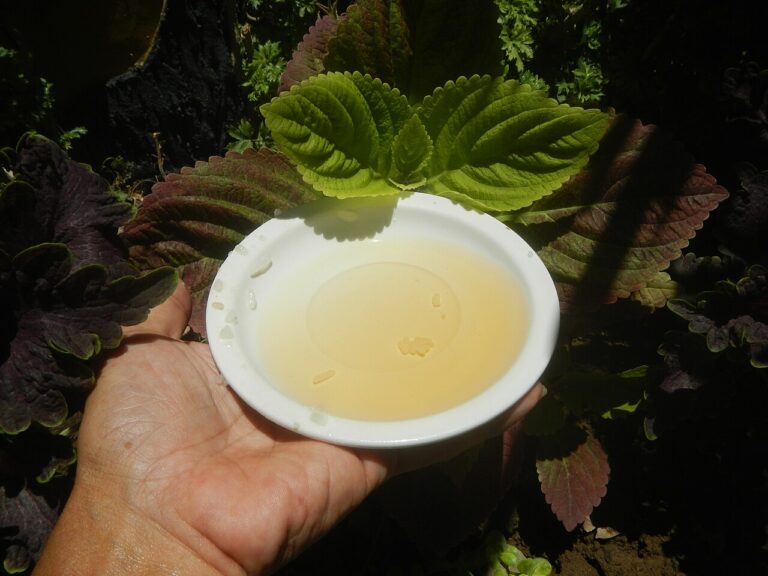
People have used vinegar as a kitchen remedy for thousands of years, from Hippocrates' wound care to the honey-and-vinegar tonics of Persian medicine. Here's what tradition says, what the small modern studies found, and how to take it without hurting your throat.
Berberine
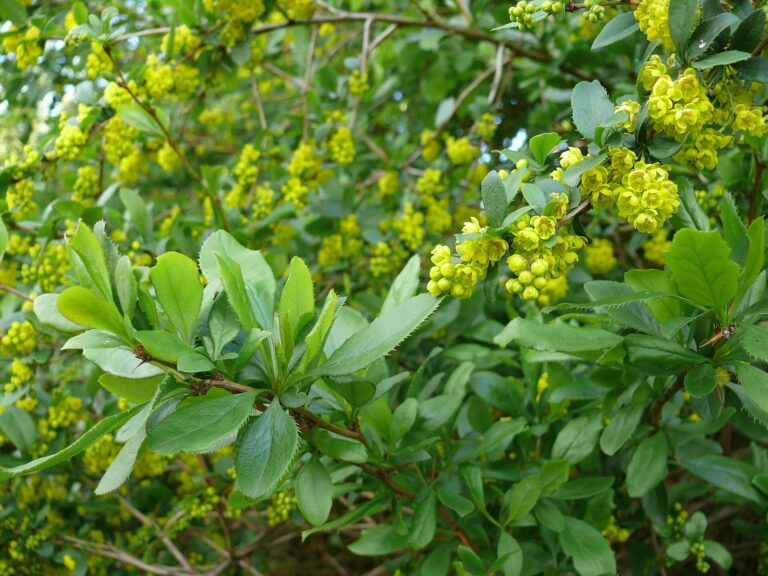
Berberine is the bright-yellow compound behind some of the oldest bitter remedies in Ayurveda and Chinese medicine, from Indian barberry to Chinese goldthread. Today it is one of the most-studied plant compounds for metabolic health, and one of the most interaction-prone, so it is worth reading the safety section first.
Soursop (Graviola)
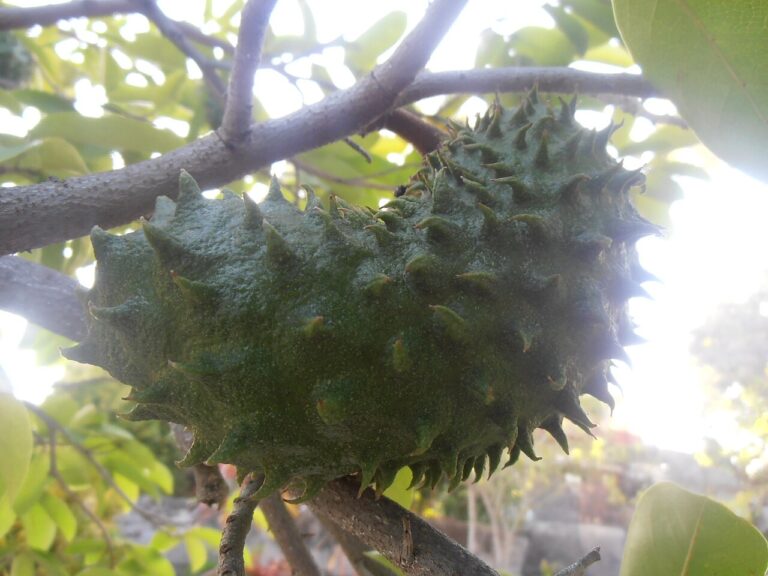
A tropical fruit tree whose leaves have been brewed as a folk tea across the Caribbean, Latin America and Africa for generations. Here's what tradition says, what the research has (and hasn't) shown, and the safety points every user should know first.
Lemon
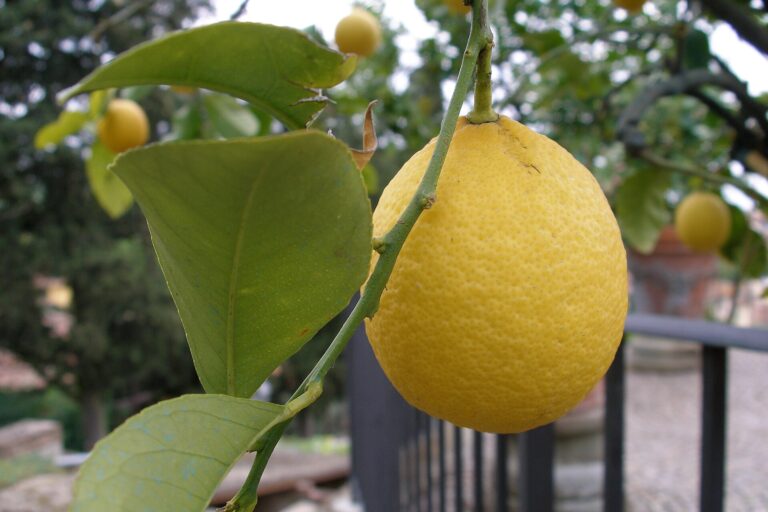
Warm lemon water is probably the most familiar morning "detox" ritual there is. Here's what lemon brings to the glass (citrate, vitamin C, a reason to drink more water), what it doesn't do, and how to keep it gentle on your teeth.
Rebounding
Rebounding means gentle bouncing on a small fitness trampoline, and it's a favourite in detox circles for "getting the lymph moving." Members can read where that idea came from, what the research does (and doesn't) show, how studies set up their sessions, and who should stay off the rebounder.
Lion’s Mane Mushroom
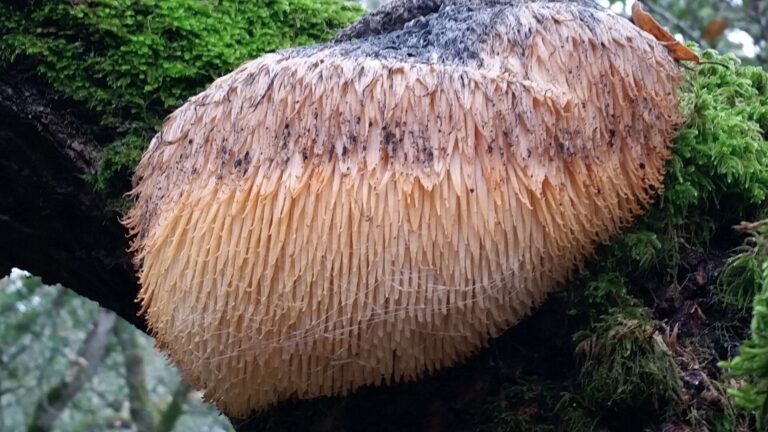
Lion's mane is the shaggy white "monkey head" mushroom of Chinese and Japanese tradition, eaten as a delicacy and used for centuries to support the stomach and, more recently, memory and mood. Here's what tradition says, what the early research shows, and who should be careful with it.