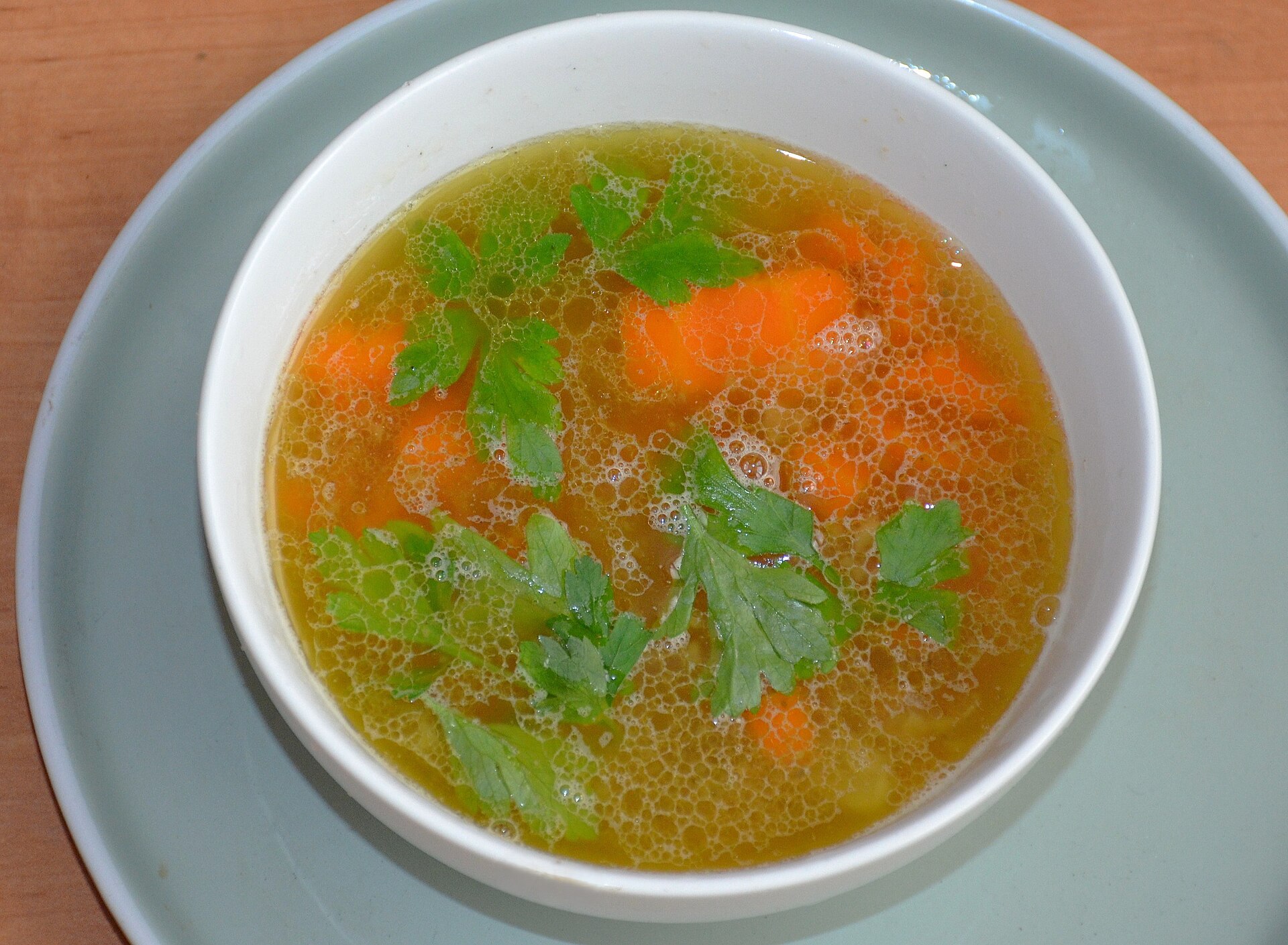
Grandmothers, Maimonides and Ayurvedic cooks all reached for long-cooked broth when someone was ill or run down. Here’s what’s known about bone broth today: what’s really in the pot, what the research does and doesn’t show, and how to make and store it safely.
Similar Posts
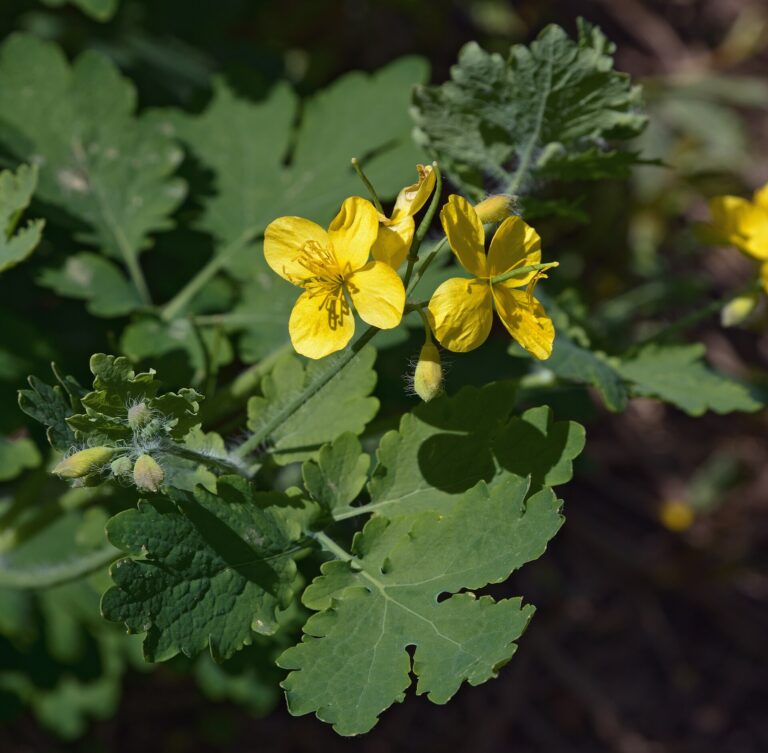
Greater Celandine (Safety Profile)
Greater celandine is a poppy-family herb with a long history in European folk medicine, but taken by mouth it is linked to liver injury, and European regulators decided its risks outweigh its benefits. Here's where the uses come from, what the research says, and gentler herbs to look at instead.
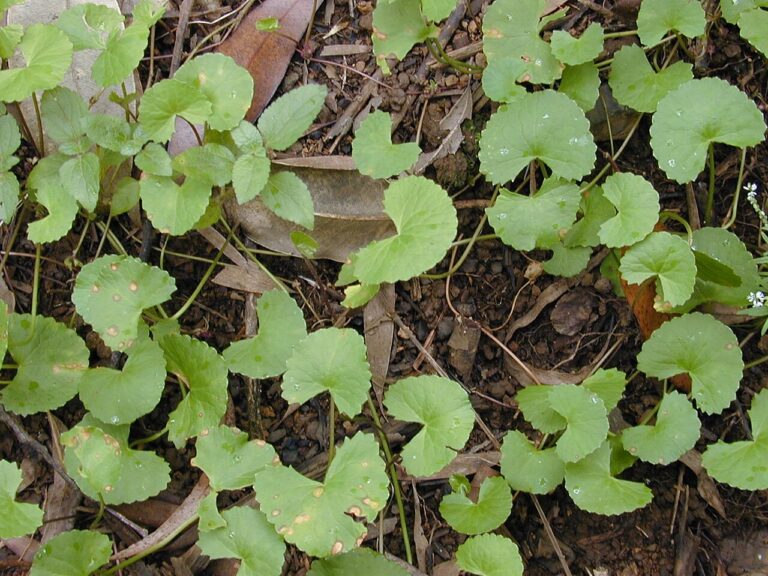
Gotu Kola
A small creeping plant from the carrot family, prized in Ayurveda as a "medhya rasayana", a tonic for the mind, and across Asia for skin, wounds and longevity. Sri Lankan tradition held that eating the leaves helped people live longer.
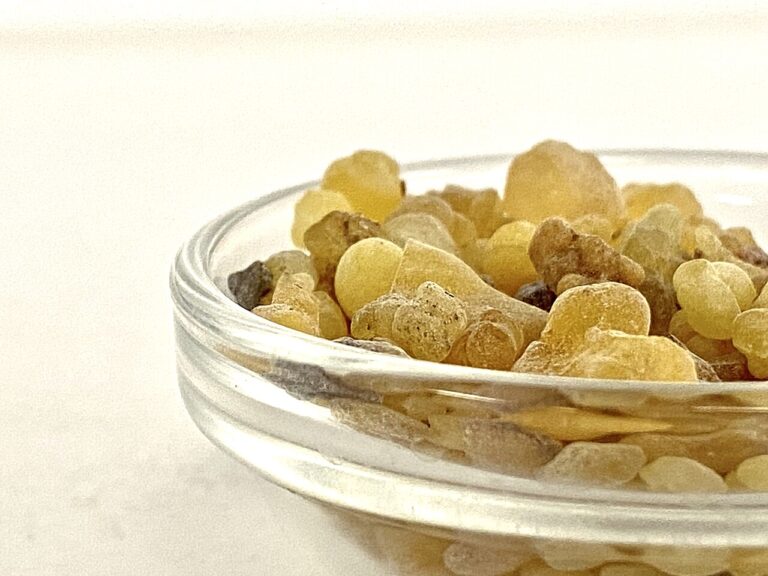
Boswellia (Frankincense)
The fragrant resin of the frankincense tree, burned in temples for thousands of years and used in Ayurveda for stiff, aching joints. Today it's one of the most-studied herbs for joint comfort.
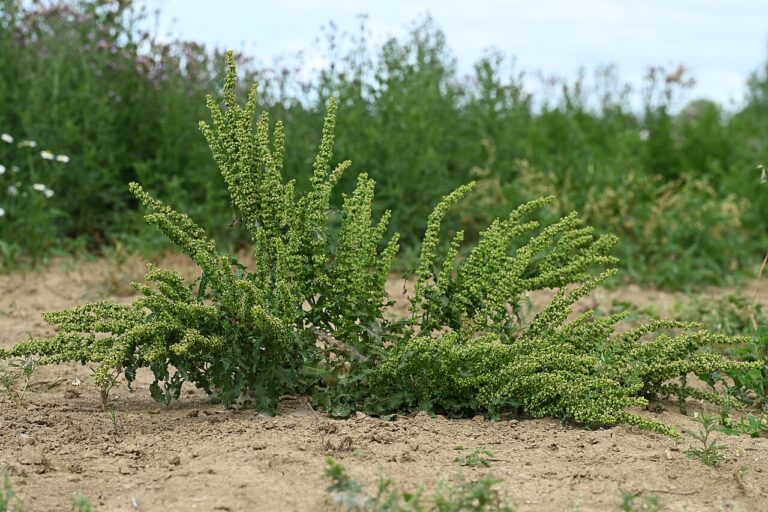
Yellow Dock
Yellow dock was one of the classic "blood purifiers" of 19th-century herbal medicine, and it still turns up in liver and lymph cleanse blends and folk iron tonics. Members get the full entry: its history around the world, what the research does and doesn't show, traditional amounts, and why its safety section is longer than its benefits.
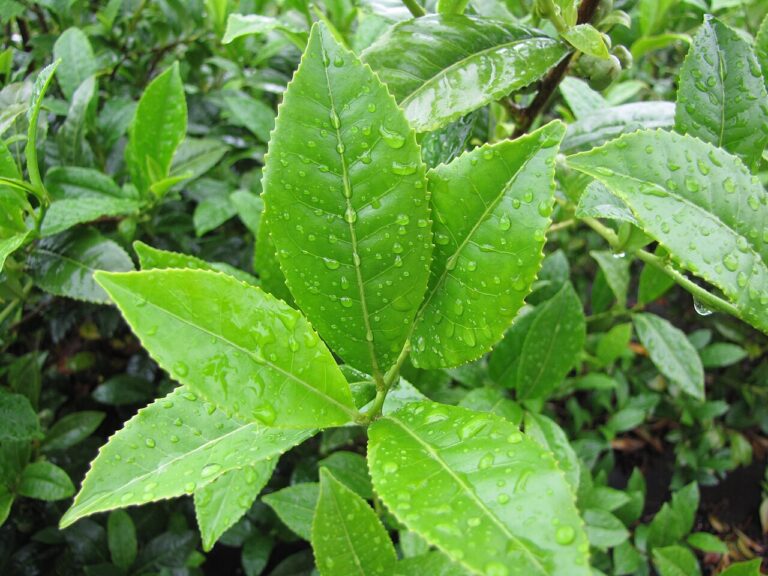
Green Tea
The tea plant was first grown in China thousands of years ago, and a Japanese monk wrote in 1211 that tea was a medicine for long life. Today green tea is one of the world's most-loved daily drinks, and its leaf and extracts are some of the most-studied plant compounds there are.
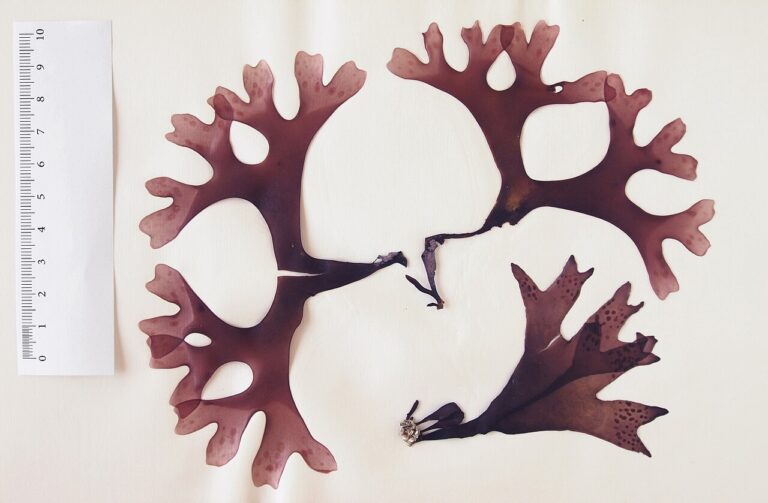
Sea Moss (Irish Moss)
A red seaweed from rocky North Atlantic shores that Irish families boiled into a soothing drink for coughs and colds, and that Caribbean kitchens turned into a thick, spiced milk drink for strength. Today it's a popular gel and gummy sold as a mineral-rich "superfood".