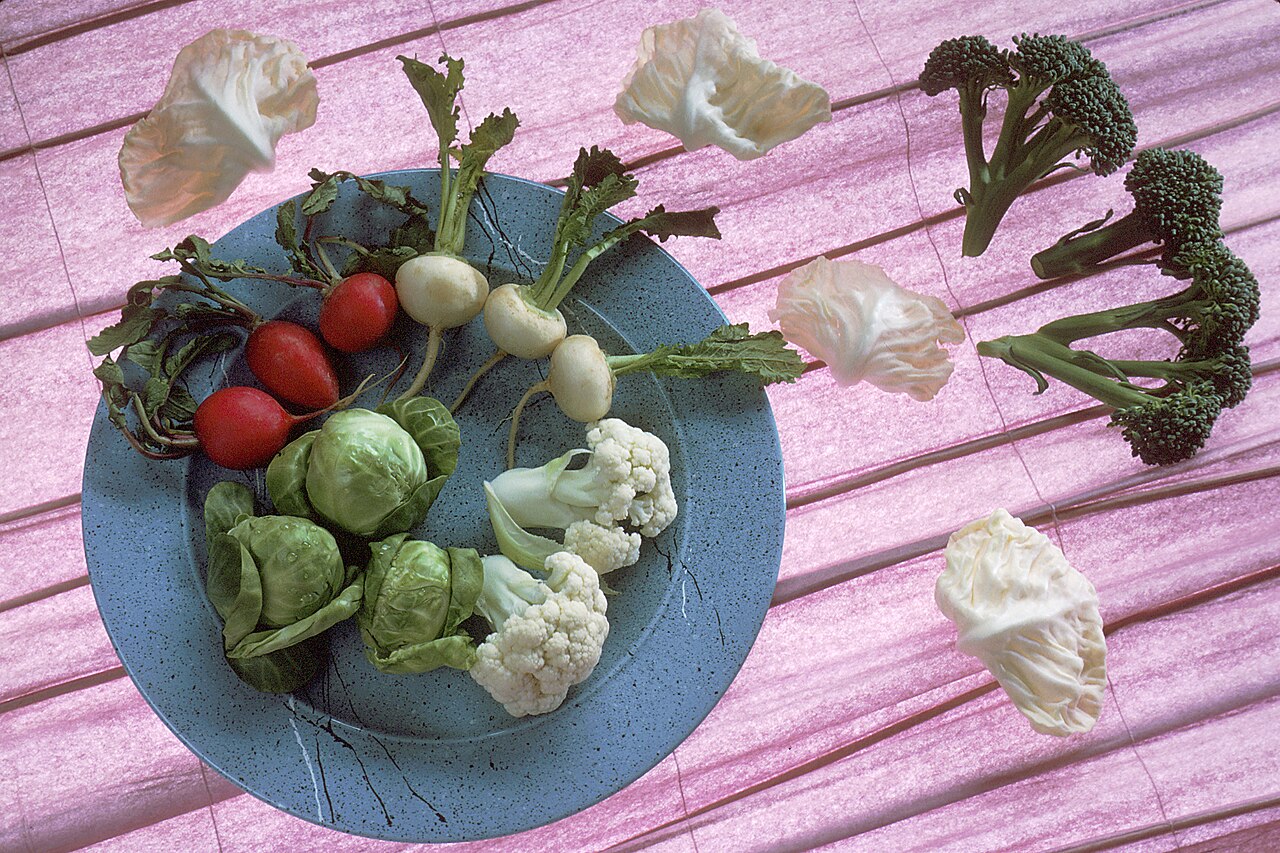
Broccoli, cabbage, kale and their cousins break down into compounds that change how the liver handles estrogen, and DIM and I3C capsules sell that effect as “estrogen detox”. Here’s what the vegetables and the capsules can and can’t do, and the medicine cautions that come with the concentrated forms.
Similar Posts
Berberine
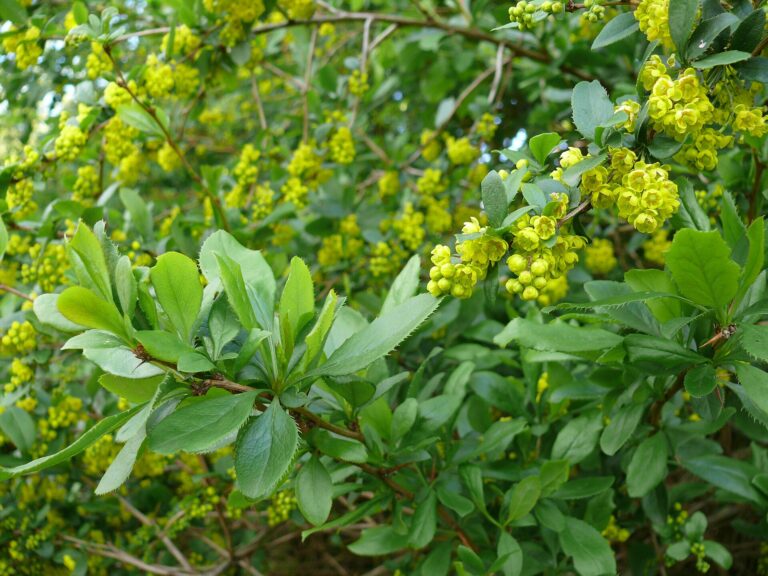
Berberine is the bright-yellow compound behind some of the oldest bitter remedies in Ayurveda and Chinese medicine, from Indian barberry to Chinese goldthread. Today it is one of the most-studied plant compounds for metabolic health, and one of the most interaction-prone, so it is worth reading the safety section first.
Uva Ursi
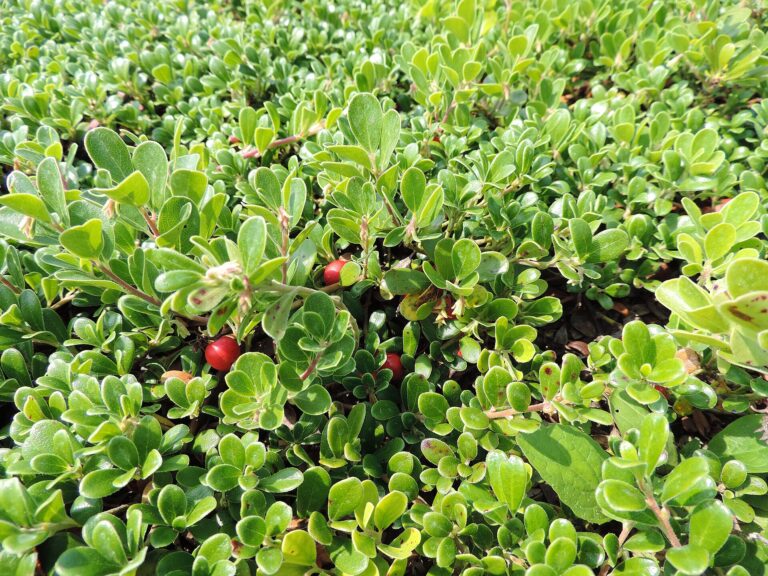
Uva ursi, or bearberry, is one of the best-known traditional bladder herbs, and one with the strictest limits. Here is its history from Welsh physicians to kinnikinnick, what the EU monograph and a 382-woman trial say, the one-week amounts, and who should not use it.
Borage (Safety Profile)
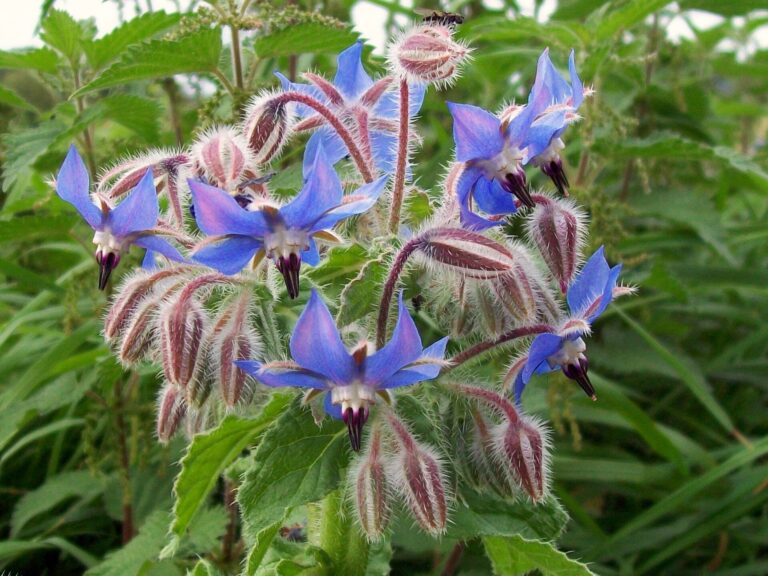
Borage is the blue "starflower" herb whose seed oil is one of the richest plant sources of GLA, an omega-6 fat. The leaf and flower carry liver-toxic alkaloids, so the vault page explains why only tested, PA-free seed oil is worth considering.
Sauna
Sweating it out in a sauna is one of the oldest cleansing rituals there is. Here's what sweat really carries out of the body, what decades of Finnish research found about heart health, and who should check with a doctor before stepping into the heat.
Gotu Kola
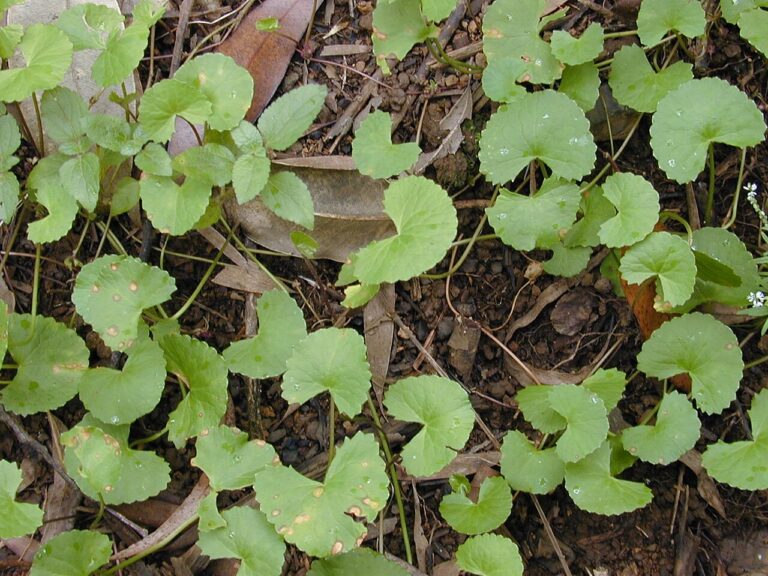
A small creeping plant from the carrot family, prized in Ayurveda as a "medhya rasayana", a tonic for the mind, and across Asia for skin, wounds and longevity. Sri Lankan tradition held that eating the leaves helped people live longer.
Moringa
Called the "miracle tree" across Asia and Africa, moringa is both a food and a traditional medicine, and its leaves are packed with plant nutrients. Here's what tradition uses it for, what the studies show, and who should be careful with it.