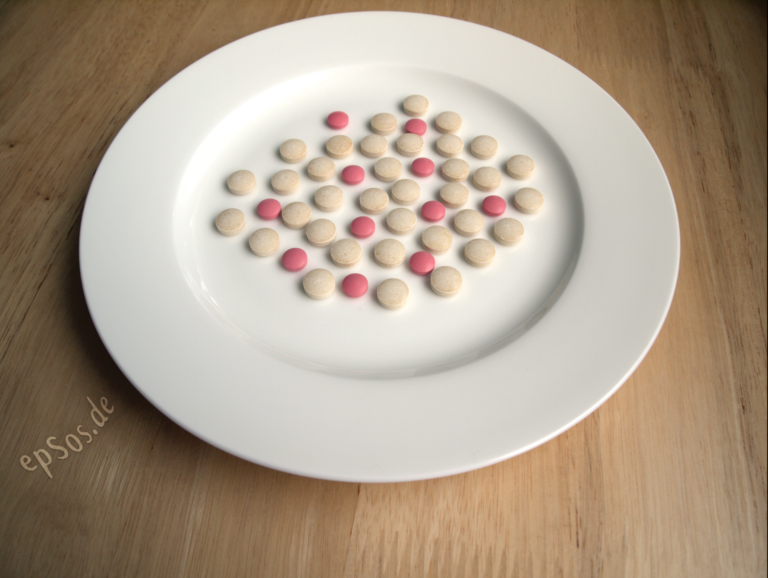
A B-complex bundles the eight B vitamins your body uses to turn food into energy and keep nerves and blood healthy. Here’s what each one does, who tends to run low, what the research on stress and energy shows, and why “more” on the label isn’t always better.
Similar Posts
Ginseng (Asian and American)
Ginseng has been the prized "root of strength" in Chinese medicine for centuries, and American ginseng was a woodland medicine of Indigenous peoples before it became a major export to China. Here's how the two ginsengs differ in tradition, what modern studies show for energy and fatigue, and who should be careful with it.
NAC (N-Acetylcysteine)
NAC (N-acetylcysteine) is a form of the amino acid cysteine that the body uses to make glutathione, its main built-in antioxidant. Members get the full entry: where the research is strong (and where it isn't), typical amounts, and the drug interactions every NAC user should know.
Tea Tree Oil (External Use Only)
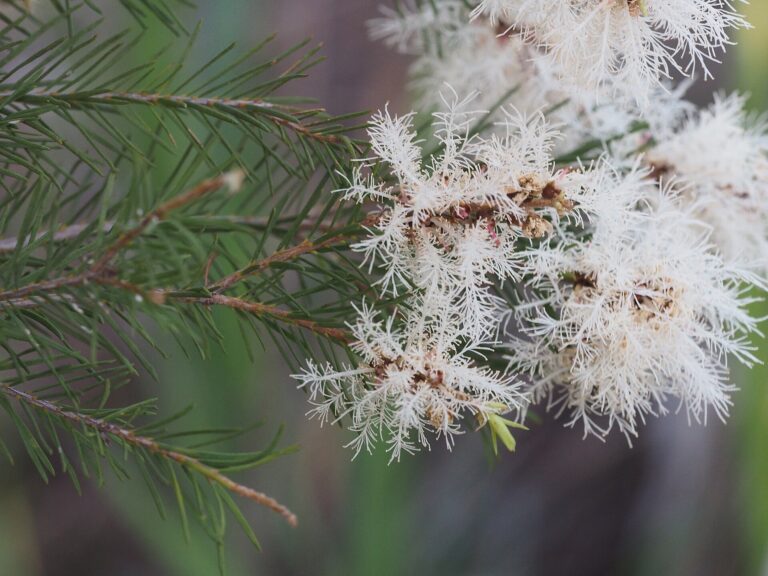
Tea tree oil is the Australian bush oil found in countless acne gels, foot creams and shampoos. It is for the skin and mouth rinses only, never for swallowing, and it needs careful handling around children and pets.
Warming Socks (wet sock treatment)
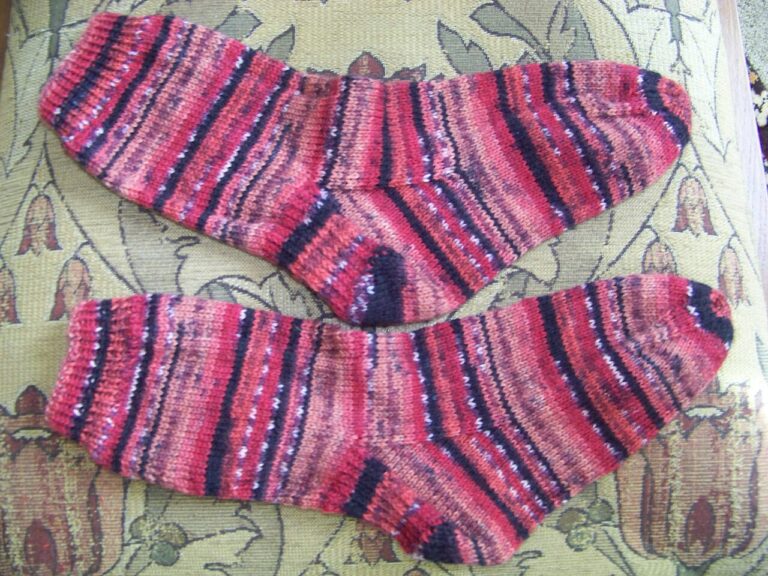
Cold wet socks, wool on top, straight to bed — it sounds backwards, but it's one of naturopathy's best-loved cold-night rituals. Here's where it comes from, why people swear by it, and who should skip it.
Chlorophyll and Chlorophyllin
Liquid chlorophyll is usually copper chlorophyllin, and its one solid finding is as an aflatoxin binder. Here is its odd history from 1950s chlorophyll gum to social-media trend, what the research shows and does not, study amounts, and the sun-sensitivity and stool-test cautions.
Cat’s Claw
A thorny vine from the Amazon rainforest, named for the curved hooks on its stems, that Peruvian peoples have boiled into a bitter bark tea for generations. Here's what tradition and research say about it, and who should be careful.