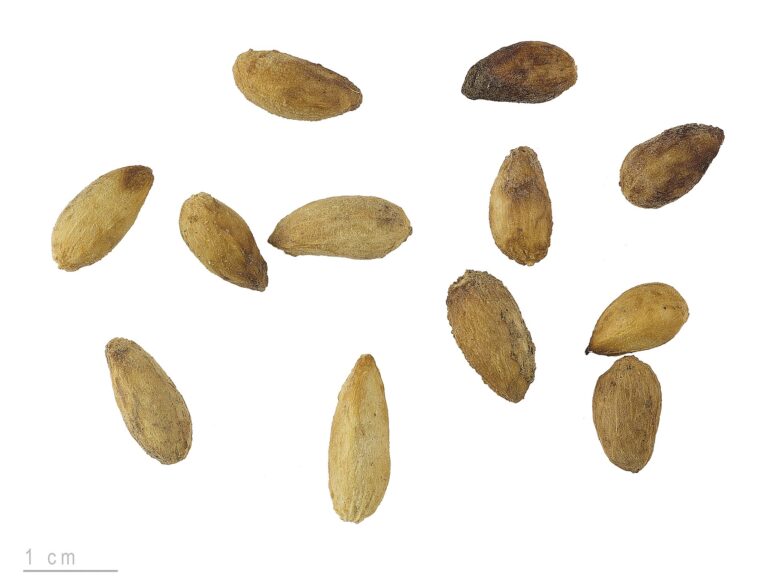
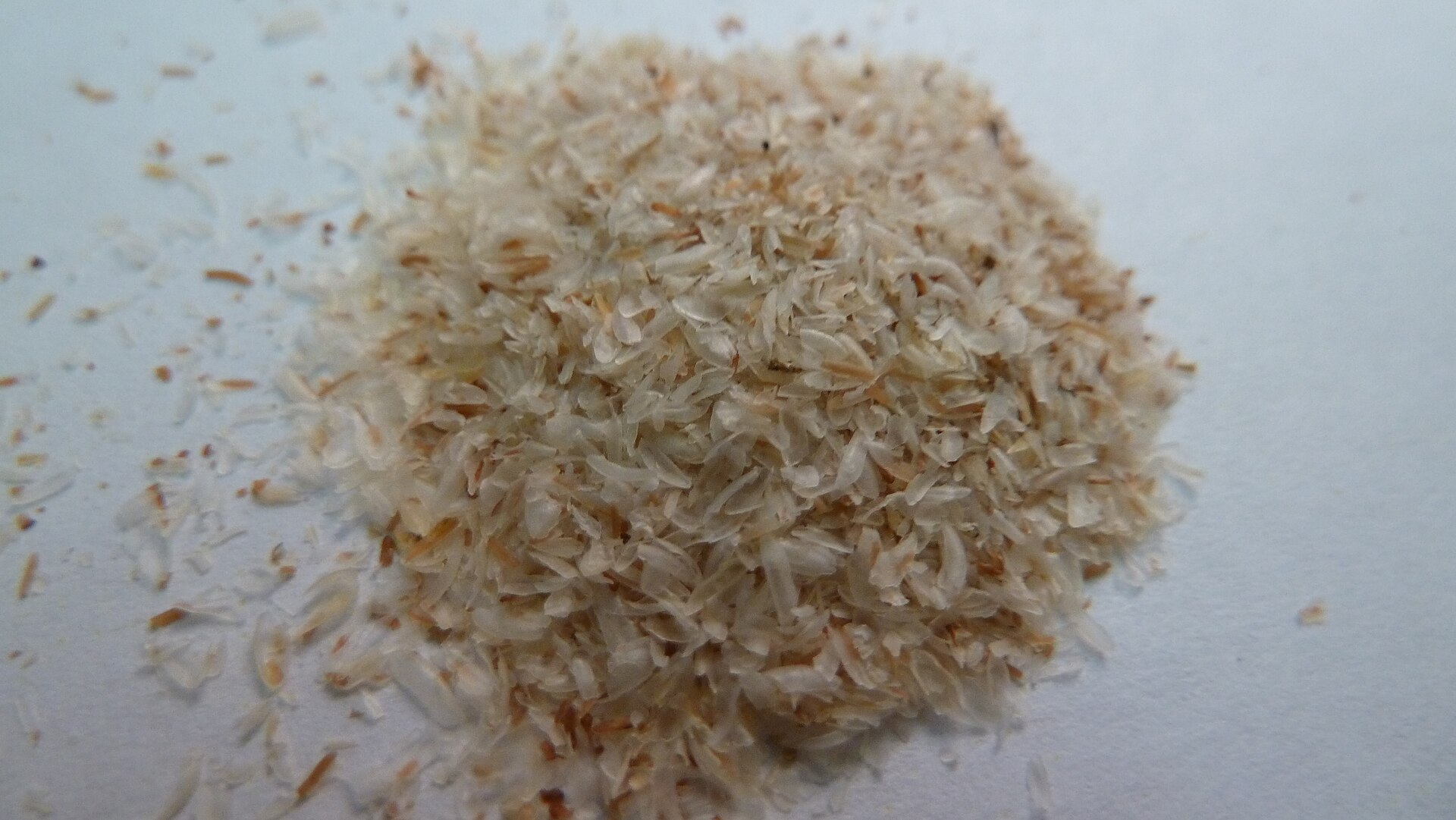
Psyllium husk is a gentle, gel-forming fibre that many detoxers use to keep things moving while they cleanse. Members get the full entry: what the research actually shows, typical amounts, and the safety points that matter most (especially water and medication timing).
Similar Posts
Neem
Neem is a bitter Indian tree that Ayurveda has used for centuries, and it turns up in many parasite and candida cleanses today. Members get the full entry: what the lab and small human studies show, how people take the leaf, and why neem oil should never be swallowed.
Wormwood
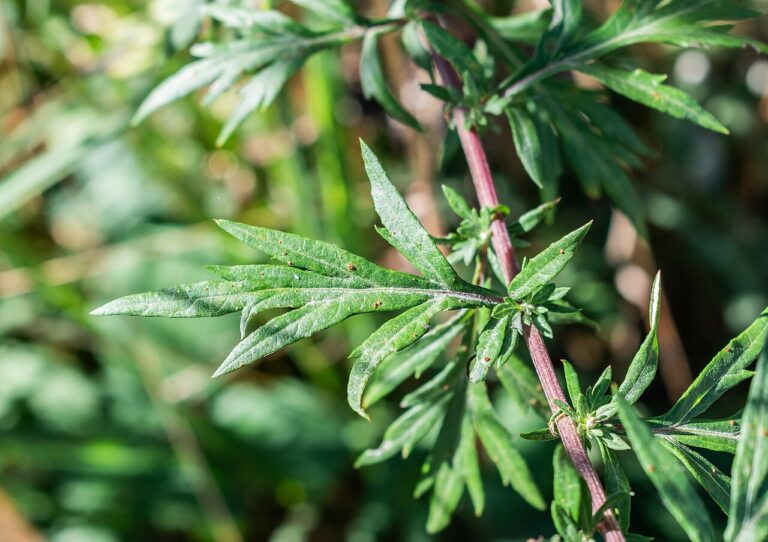
Wormwood is one of the bitterest herbs there is, and one of the three classic herbs in the traditional "parasite cleanse". Members can read what the research actually shows, the typical amounts from European and Canadian references, and the safety points that matter most with this strong herb.
Berberine
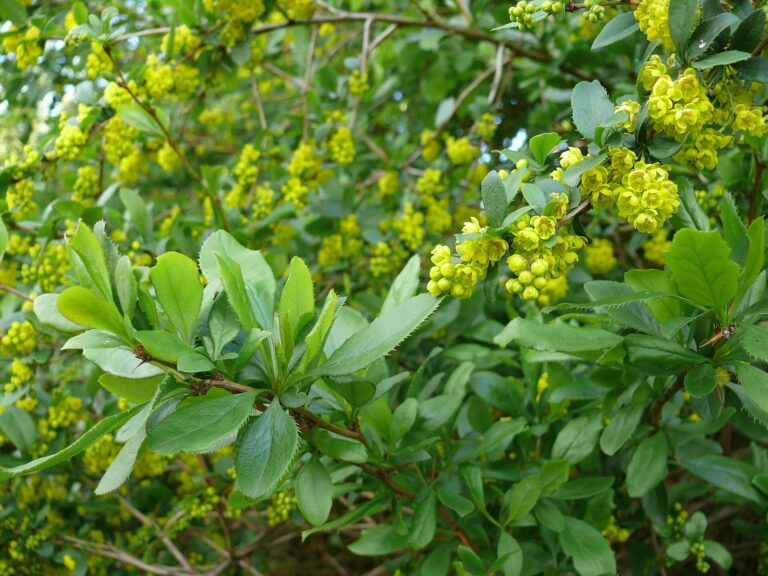
Berberine is the bright-yellow compound behind some of the oldest bitter remedies in Ayurveda and Chinese medicine, from Indian barberry to Chinese goldthread. Today it is one of the most-studied plant compounds for metabolic health, and one of the most interaction-prone, so it is worth reading the safety section first.
Magnesium
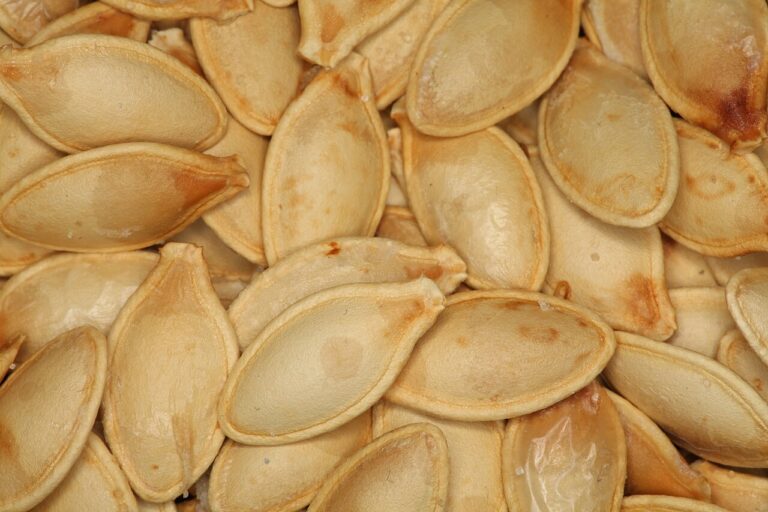
In 1618 an English farmer found that cattle on Epsom Common wouldn't drink from a bitter pool. The salt left behind became one of the best-known home remedies of the next 350 years. Here's how people use magnesium today for sleep, muscles, headaches and regularity, what the studies found, and the safety limits that matter.
Artichoke Leaf
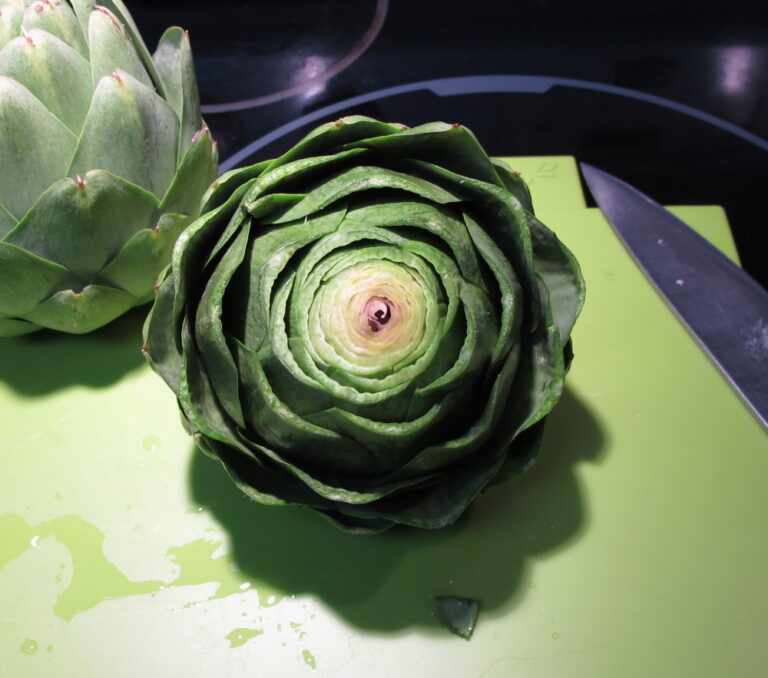
Artichoke leaf is the bitter green leaf of the globe artichoke, a European digestive herb that people use to support bile flow and the liver. Members get the full entry: what the human studies show, typical amounts from the official European monograph, and who should skip it (especially anyone with gallstones).
Dandelion
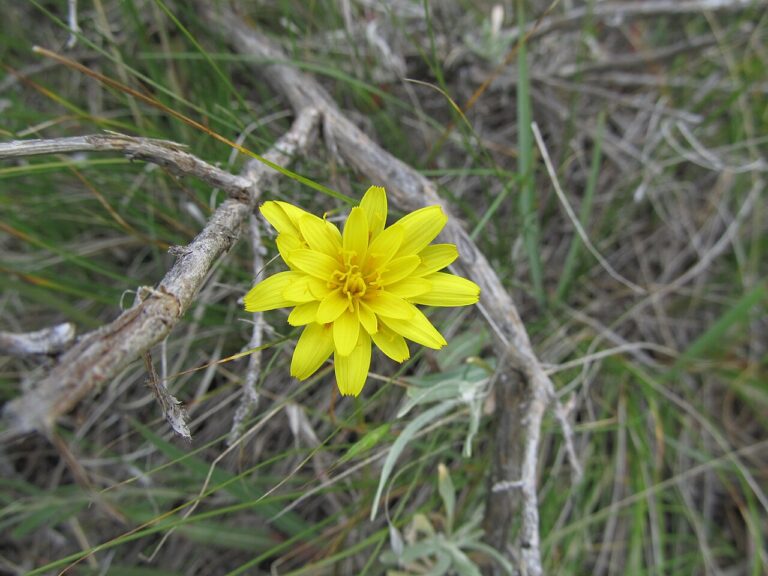
The common lawn weed is one of the most widely used plants in folk medicine, from European herbalists to Chinese and Native American healers. Members can read the traditional uses of its root, leaf and flower, how it's believed to work, what the research says, typical amounts and who should skip it.