Glutathione is the body’s own main antioxidant, and detoxers take it as a supplement to back up the liver’s natural clean-up work. Members get the full entry: what the small trials found about whether swallowed glutathione even gets absorbed, typical amounts, and the safety points to know first.
Similar Posts
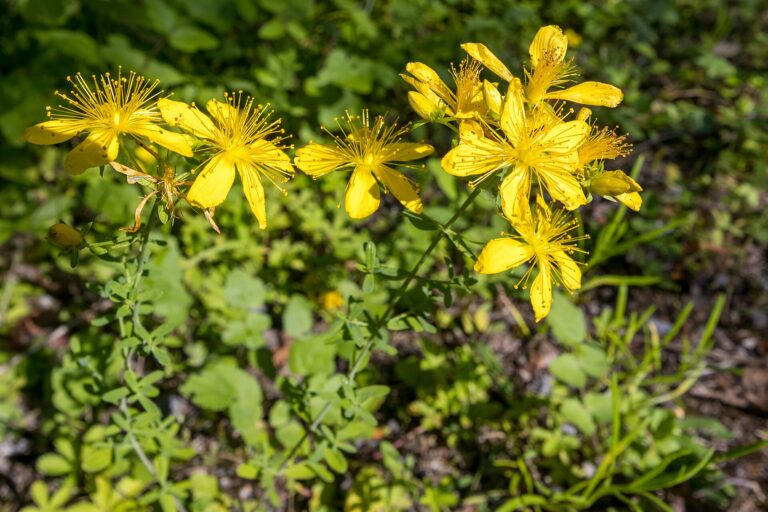
St. John’s Wort
A bright yellow summer flower named after St. John, gathered around Midsummer and steeped in oil until it turns blood-red. Europe has used it for low spirits, nerves and skin for centuries, and today it's one of the most-studied herbs for mood. It also has more drug interactions than almost any other herb, so this page starts its Safety section there.
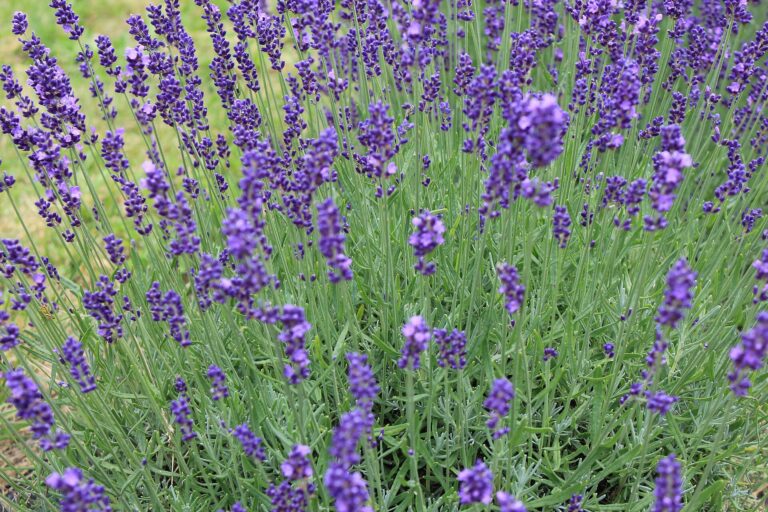
Lavender
Lavender is the classic calming flower, sipped as a gentle evening tea, added to baths and breathed in from the oil. In Europe the flower tea is an approved traditional remedy for mild stress and to help with sleep.
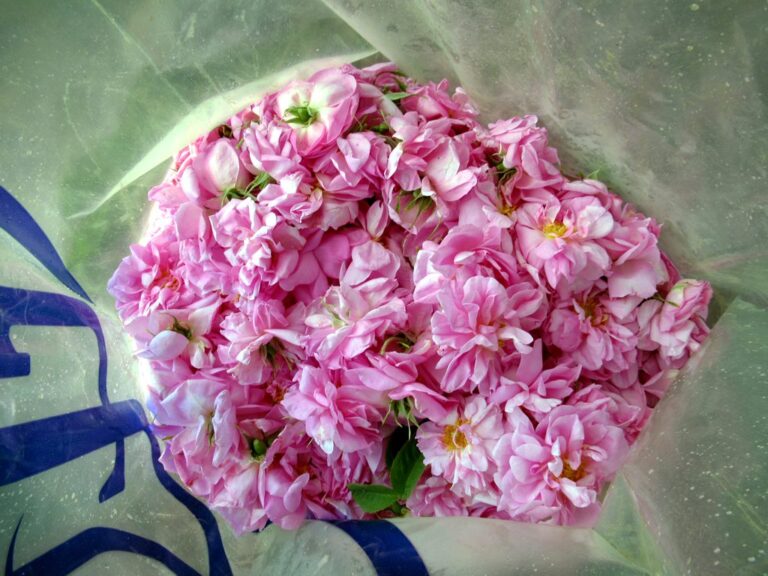
Rose Petal
Long before rose was a perfume, Persian, Greek and European healers used the petals for sore mouths, nervous hearts and slow bowels. Today the EU recognises rose flower infusions for mild mouth, throat and skin inflammation, and one study tested rose tea for period pain. Here's the tradition, the research, how to brew it, and the cautions that matter.
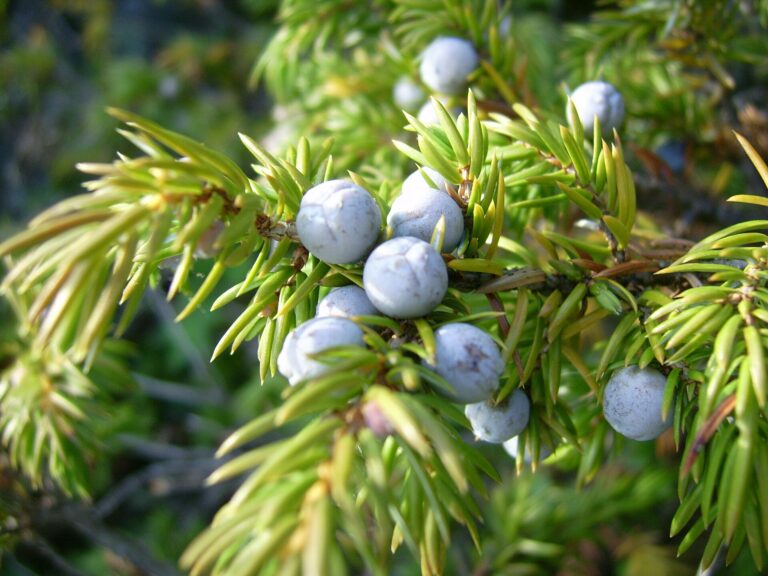
Juniper Berry
The berry that flavours gin has a long second life as a European and North American folk herb for the bladder and the belly. This profile covers how traditions use it, why the evidence is thin, and the clear limits on how long and for whom it's used.
Saffron
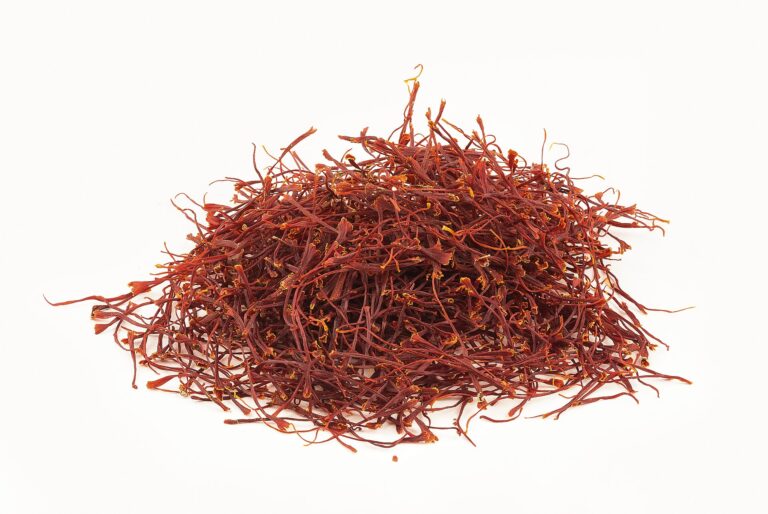
The world's most expensive spice is also one of the oldest mood herbs on record: Persian physicians called it a heart-gladdener, and modern trials have tested it for low mood and PMS. This profile covers how tradition uses it, what the research shows, and why "more" is not better with saffron.
Cilantro
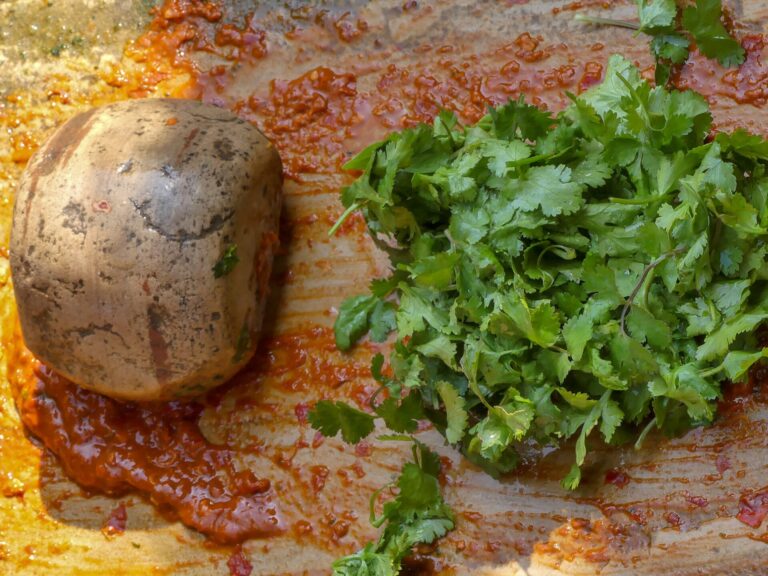
Cilantro is the everyday kitchen herb that became famous in detox circles as a "heavy metal" herb, usually paired with chlorella. Members can read where that idea came from, what the one small human trial actually found, and what product labels list.