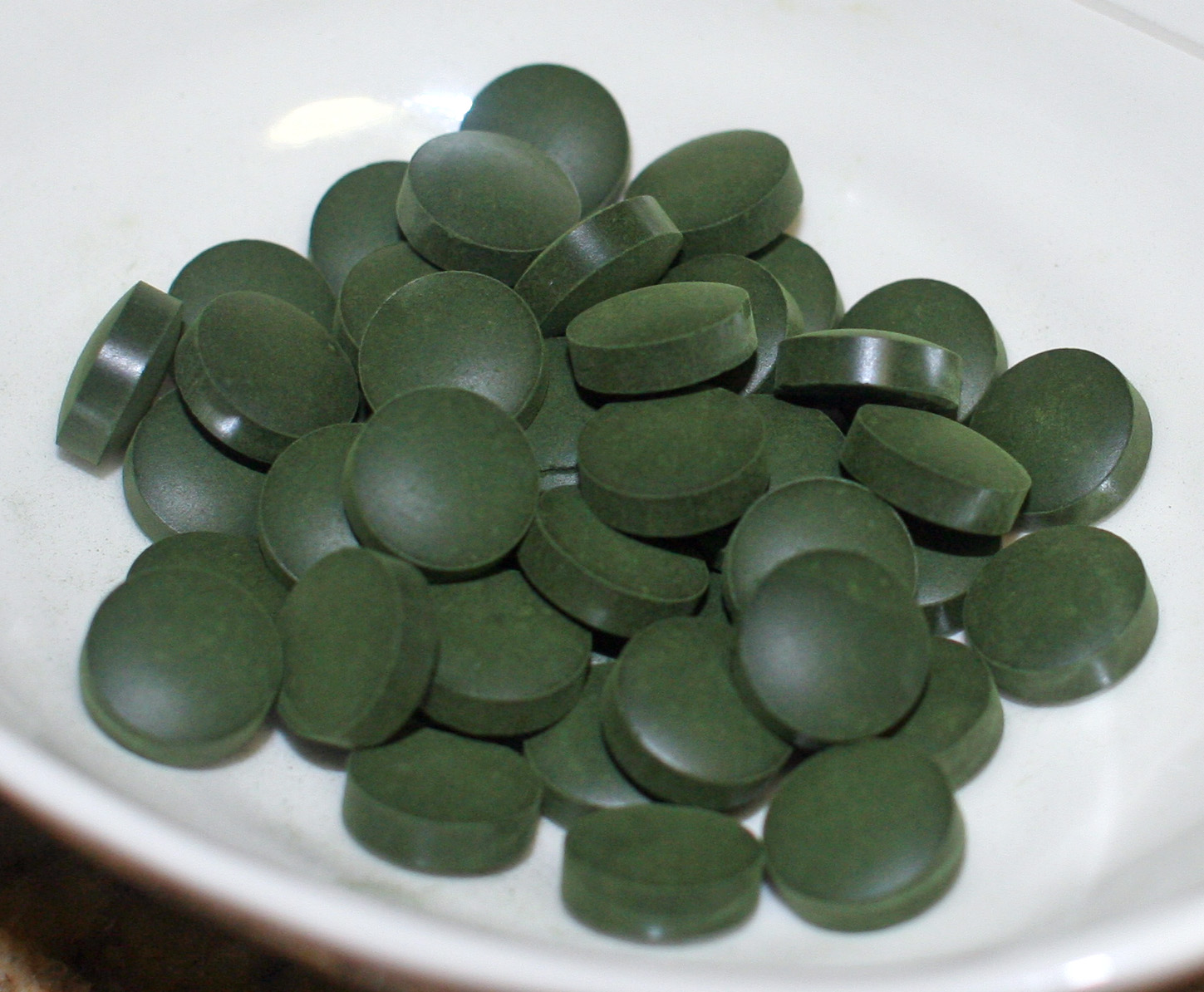
Spirulina is a deep blue-green algae powder that’s been eaten as food for centuries, and many detoxers add it to smoothies during heavy-metal and liver routines. Members get the full entry: what the small studies found, typical amounts, and why where your spirulina comes from matters more than almost anything else.
Similar Posts
Marshmallow Root
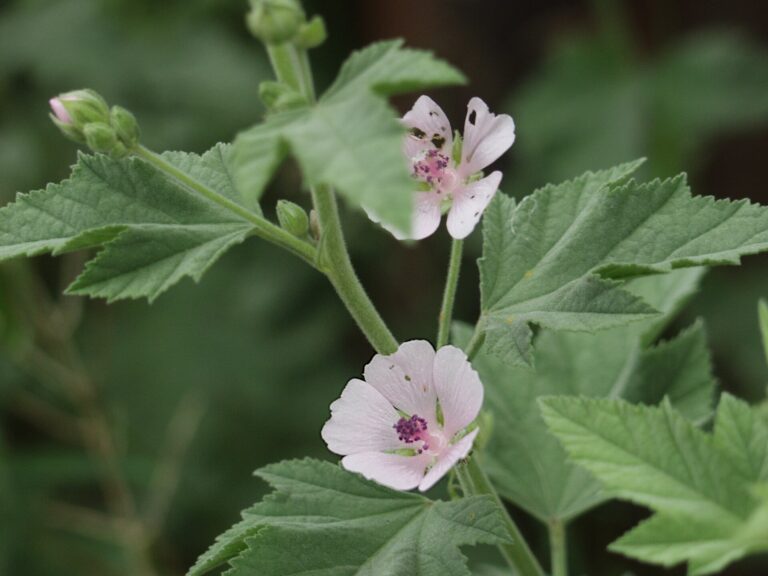
Marshmallow root (the plant, not the candy) is a soft root that turns slippery in water. Herbalists have used it for over 2,000 years to soothe the throat and an irritated gut. Members can read what the research really shows, the typical amounts in the European monograph, and the medicine-timing point to know first.
Ginkgo
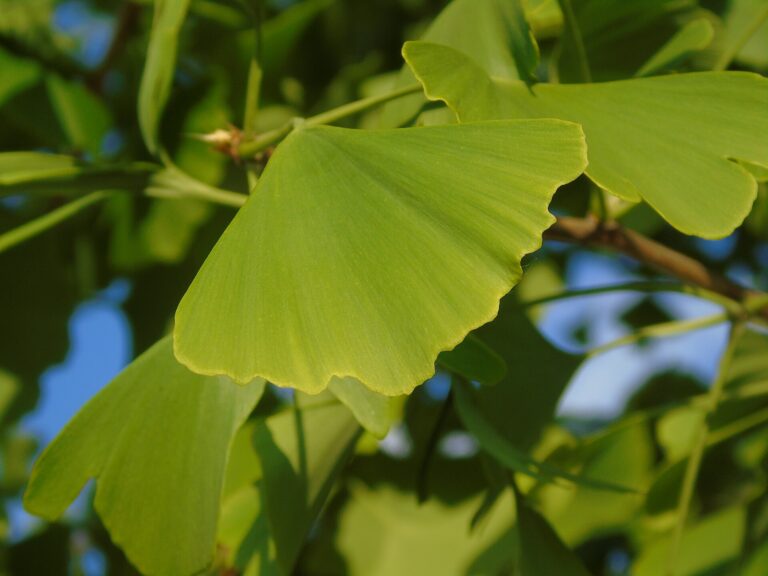
One of the oldest tree species on earth, long planted beside Buddhist temples in China and now grown on city streets across Canada. Its fan-shaped leaves became one of Europe's best-known herbal medicines for memory and circulation.
Fenugreek
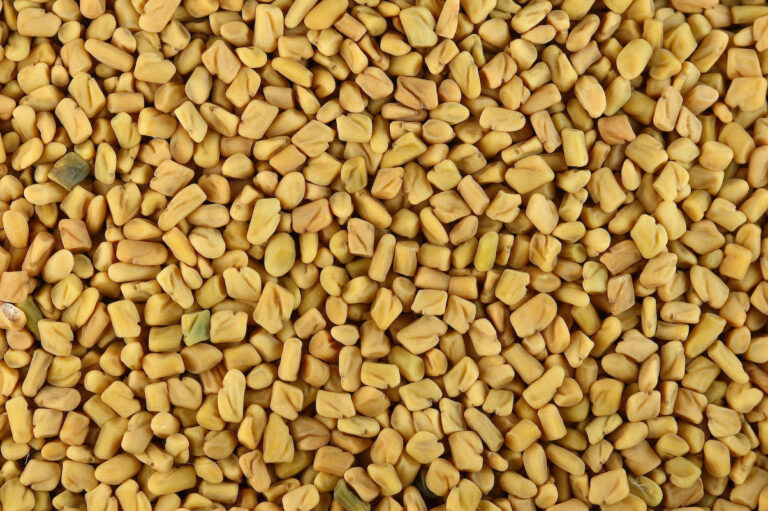
A small golden seed that has flavoured curries and fed nursing mothers for thousands of years, from ancient Egypt to India. Its maple-syrup aroma is the same one that famously lingers on the skin of people who take it.
Epazote (Safety Profile)
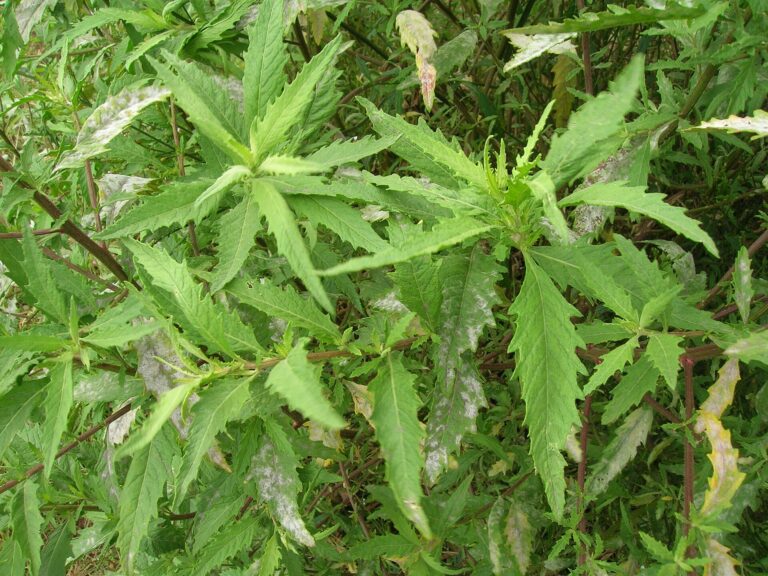
Epazote is a pungent Mexican kitchen herb traditionally stirred into a pot of beans, and it has a long folk history as a worm remedy. Its seed oil, though, is a known poison, so here's where the uses come from and what to know before you go beyond a sprig in the pot.
Bitter Melon
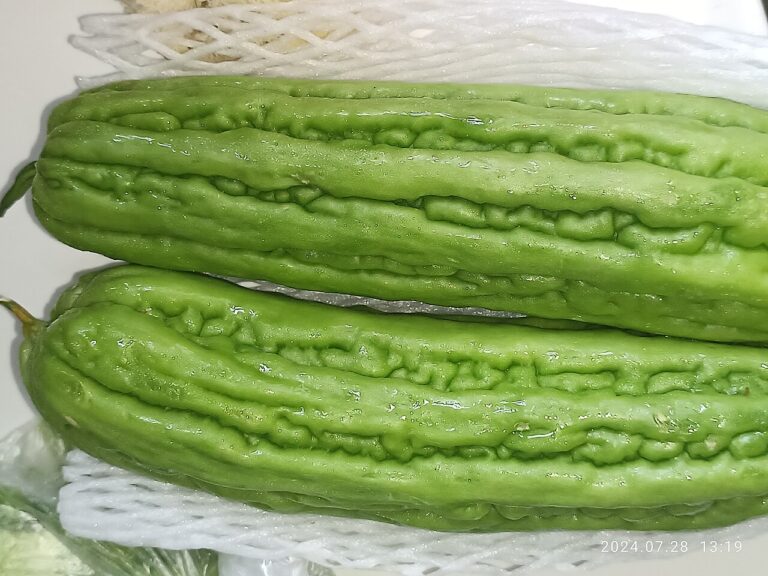
A knobbly green gourd that is everyday food from India and China to the Philippines, and the famously bitter "cerasee" bush tea of Jamaica and the Caribbean. Few plants are used in as many traditional kitchens and medicine systems at once.
Diatomaceous Earth (safety entry)
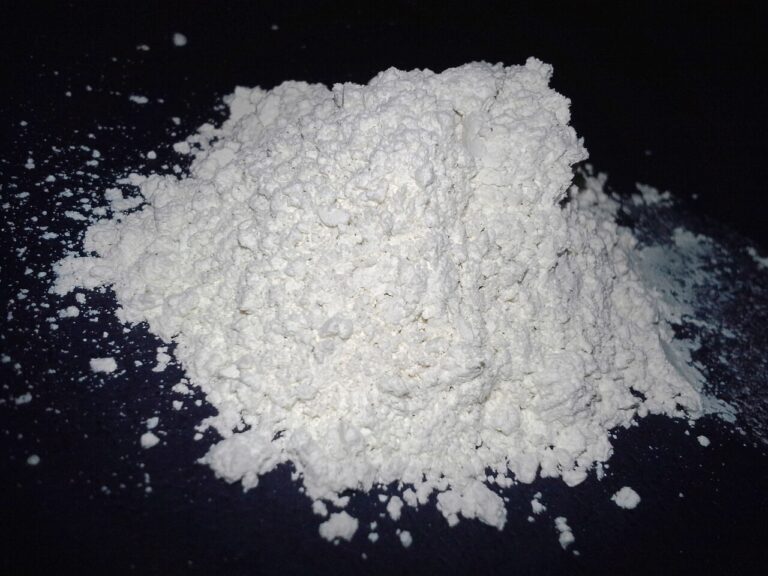
Food-grade diatomaceous earth is a fine white powder made from fossilized algae, sold for garden pests and stirred into water by some detoxers for "parasites" and "heavy metals". Members get the full entry: where the idea comes from, what the research actually shows (spoiler: very little in people), and the breathing risk that matters more than any claimed benefit.