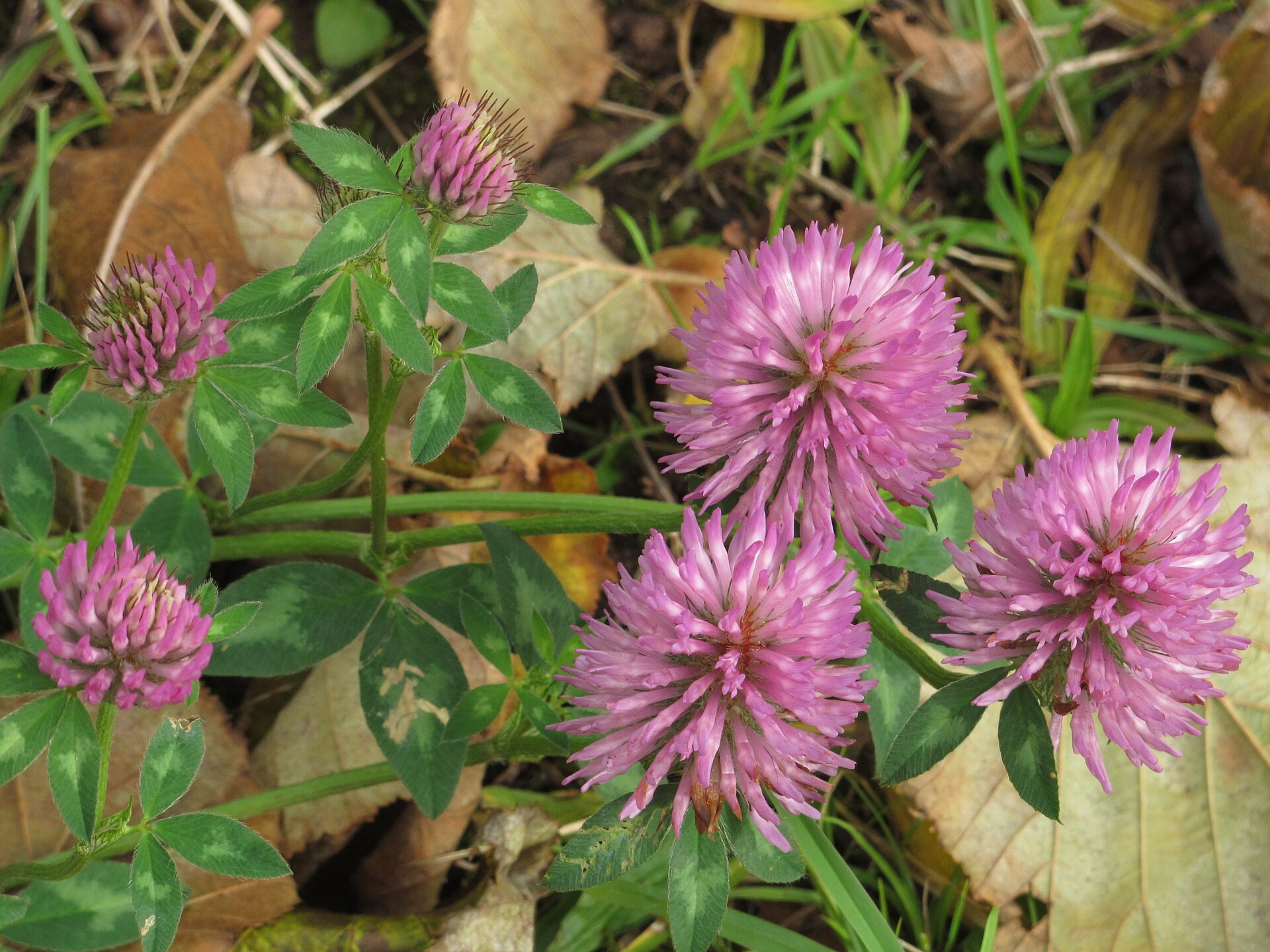
A pink meadow flower that herbalists have long counted among the classic “blood purifier” herbs, often sipped as a gentle tea. Members can see how people use it, what the research does and doesn’t show, and why it isn’t for everyone.
Similar Posts
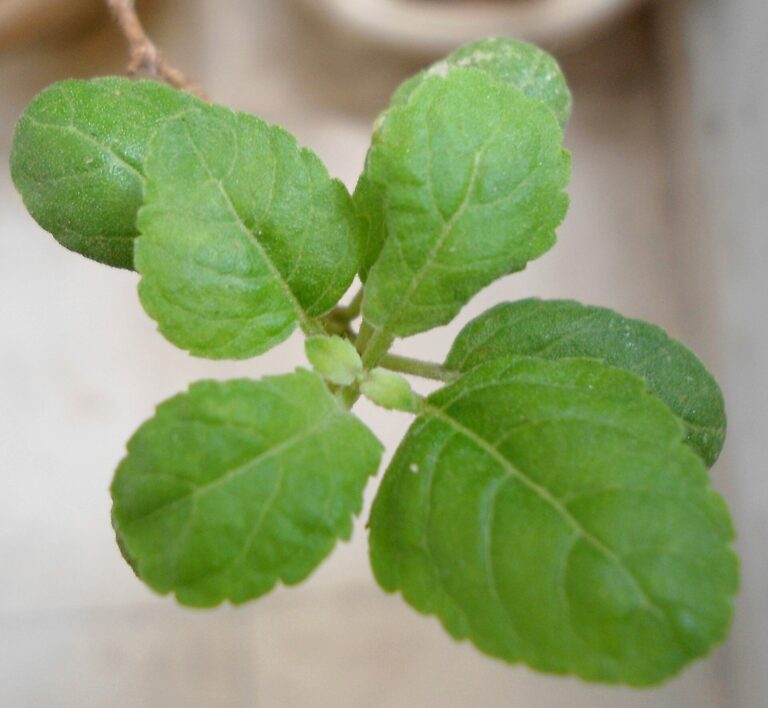
Holy Basil (Tulsi)
Sacred in Hindu tradition and called the "elixir of life" in Ayurveda, tulsi has been a daily tonic in India for thousands of years. Here's what tradition uses it for, what the modern studies show, and who should be careful with it.
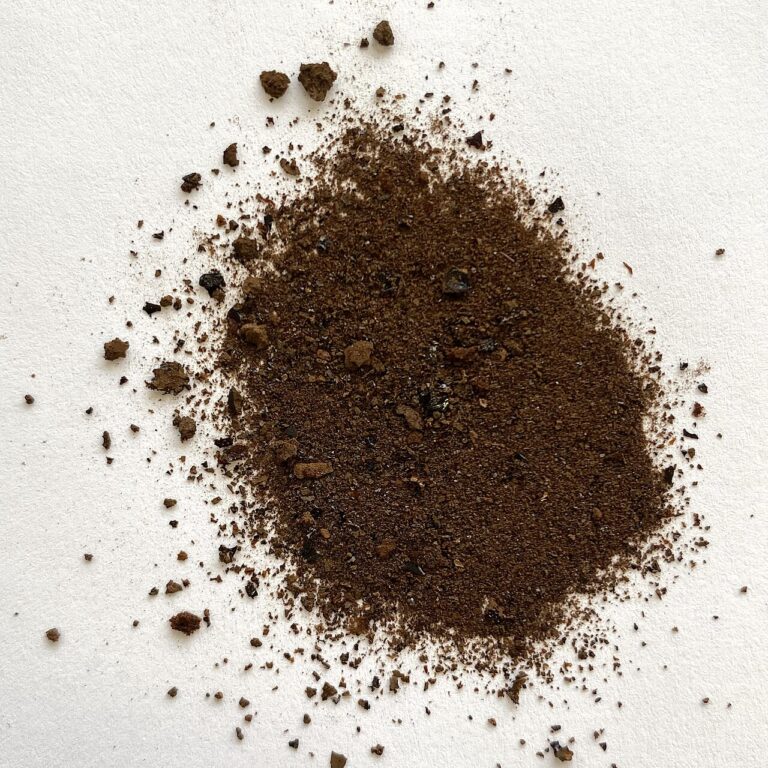
Humic and Fulvic Acid
Humic and fulvic acids are the dark, carbon-rich compounds that form as plants break down in soil, peat and ancient deposits. Detoxers take them as a liquid "binder" for metals and gut support. Members get the full entry: where the idea comes from, what the (mostly lab and animal) research shows, label amounts, and why Health Canada has stepped in on one fulvic product.
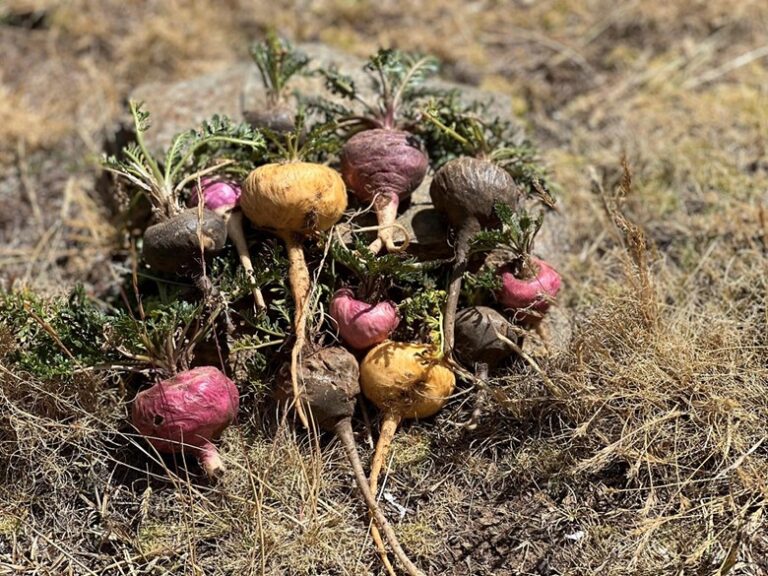
Maca
A hardy root from the high Peruvian Andes, grown at around 4,000 metres for up to 2,000 years. Andean families have long eaten it as a staple food and an energizing tonic, and today it's one of the most popular "superfood" roots for energy and vitality.
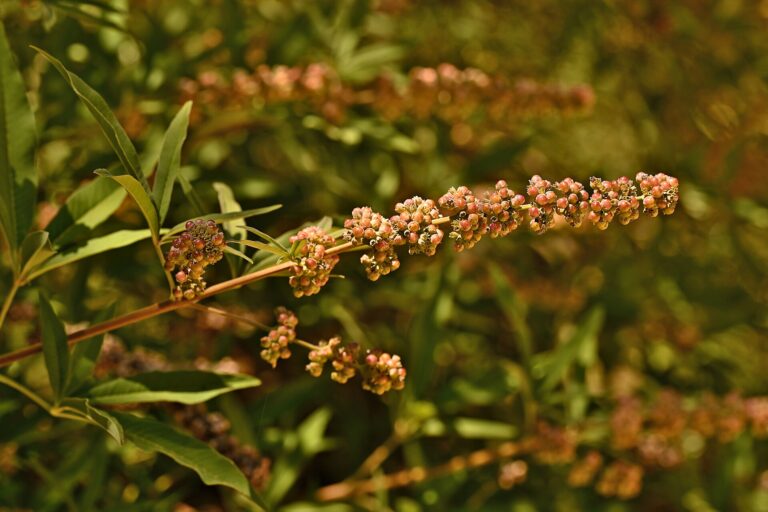
Vitex (Chaste Tree Berry)
Vitex is the peppery little berry of the chaste tree, used by women for over two thousand years and best known today for the days before a period. In Europe one vitex extract is an approved herbal medicine for premenstrual syndrome.
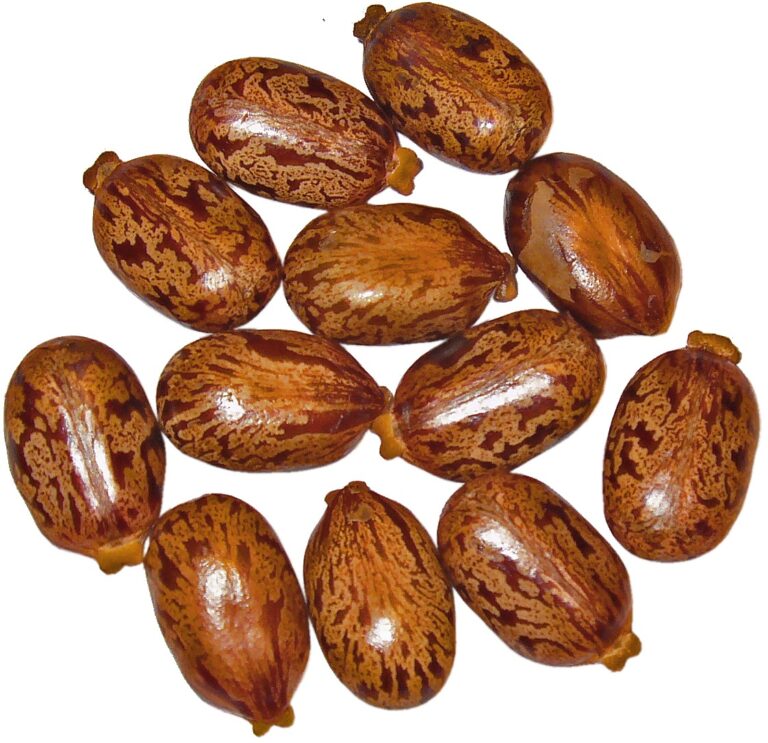
Castor Oil Packs
A castor oil pack is an oil-soaked cloth laid over the belly and warmed, a slow, quiet ritual many detoxers use on rest days. Members can read where the practice comes from, what the (very small) research shows, how people traditionally set it up, and the safety points that matter.
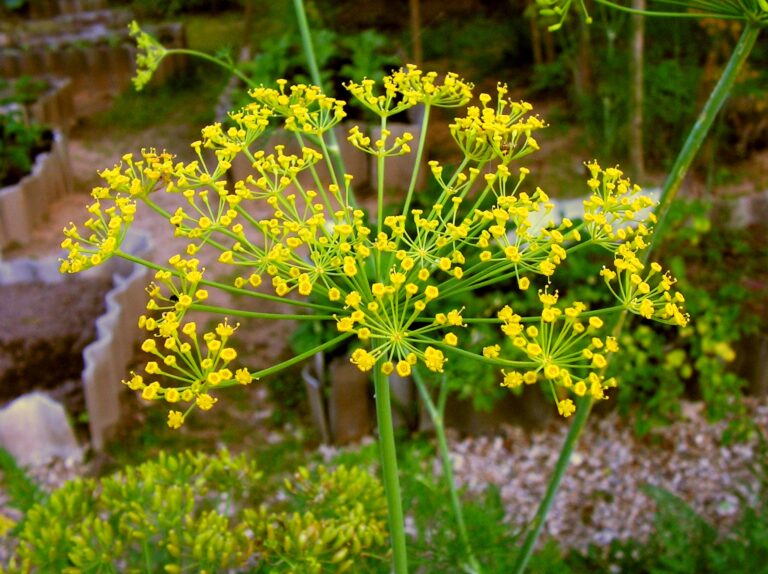
Dill
The feathery pickle herb is also one of the oldest "wind" seeds, brewed after meals, taken in Ayurveda for digestion and breast milk, and used as the original base of gripe water. Members can see what traditions use it for, what small studies show, and who should keep to kitchen amounts.