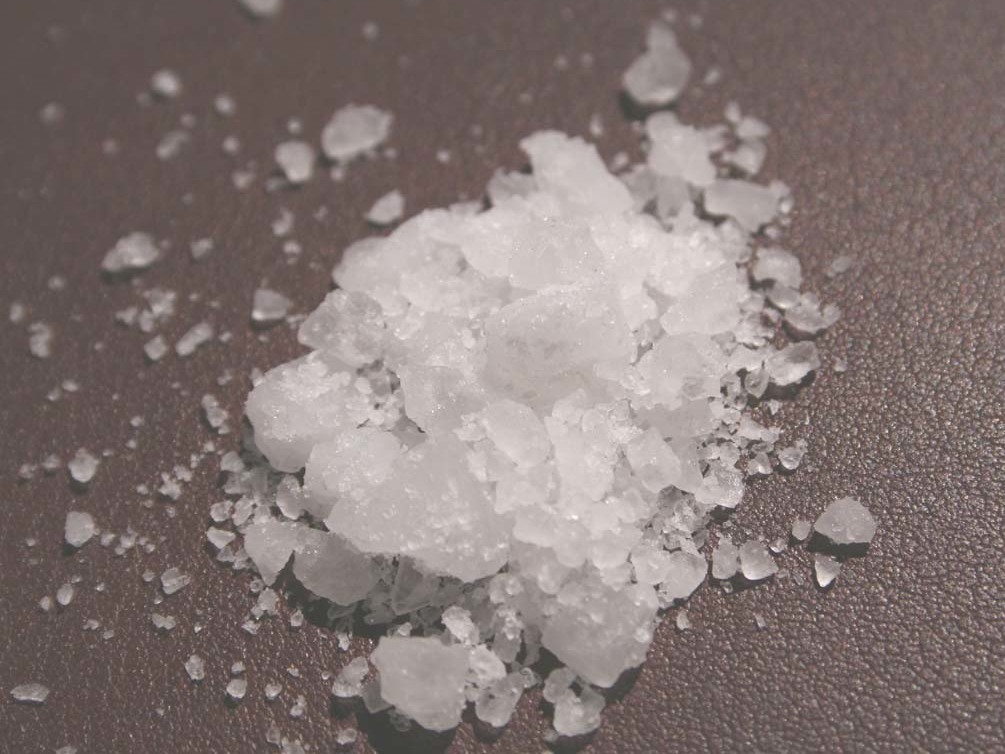
One of the oldest kitchen remedies there is. Here’s what the research says about salt water gargling, how people make it, and when a sore throat needs a doctor instead.
Similar Posts
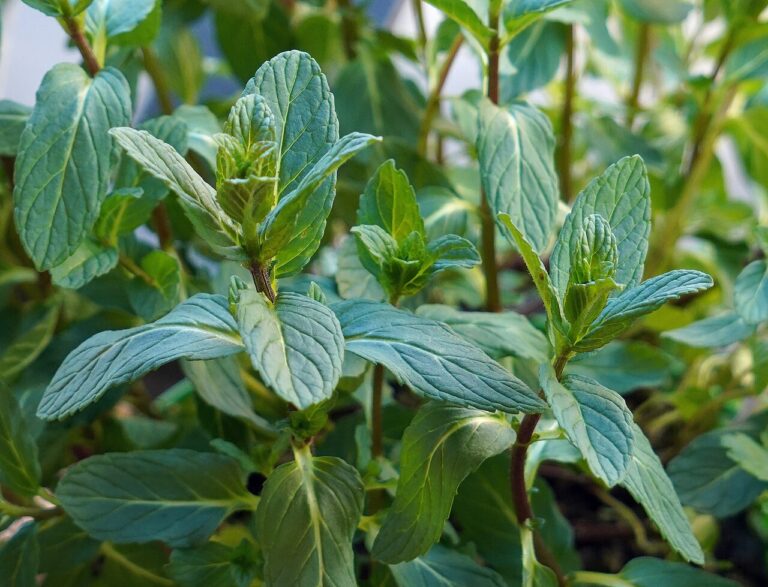
PMOS (polyendocrine metabolic ovarian syndrome, formerly PCOS): natural options
PCOS has a new name, PMOS, because it's about far more than the ovaries: hormones, blood sugar, weight, skin, mood and long-term heart health are all part of it. This guide walks through every natural option people use, from daily habits and spearmint tea to inositol and acupuncture, with the evidence and safety for each laid out plainly.
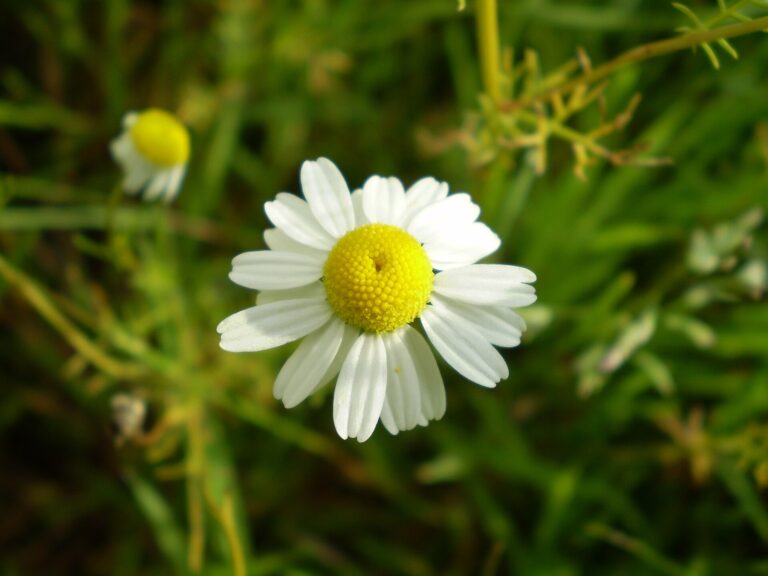
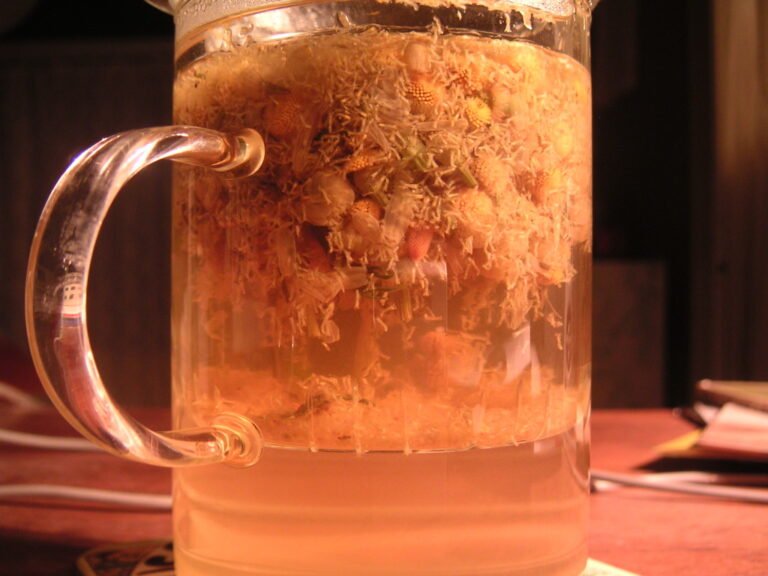
Chamomile
One of the oldest and gentlest herbs in the world, with more than a million cups of its tea drunk every day. Here's how tradition uses chamomile for nerves, sleep, digestion, mouth and skin, what the research shows, and the one allergy to watch for.
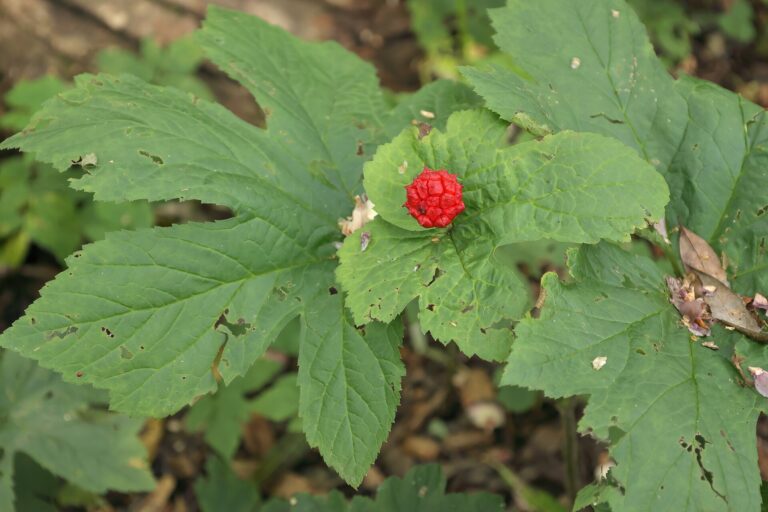
Goldenseal
A small woodland plant of eastern North America with a bright-yellow root, used by Cherokee, Iroquois and other Indigenous nations for sore eyes, wounds and as a yellow dye. It became one of the best-known remedies of 19th-century herbal medicine, and is now so heavily harvested that it's a protected, at-risk species, so where it comes from matters.
Heartburn and reflux: natural options
Heartburn is one of the most common gut complaints, and many of the best-supported fixes are free: meal timing, sleep position and raising the head of the bed. This entry sorts the teas, soothing herbs, kitchen remedies and breathing practices people use for reflux by how well they're backed, and flags when heartburn needs a doctor.
Turmeric
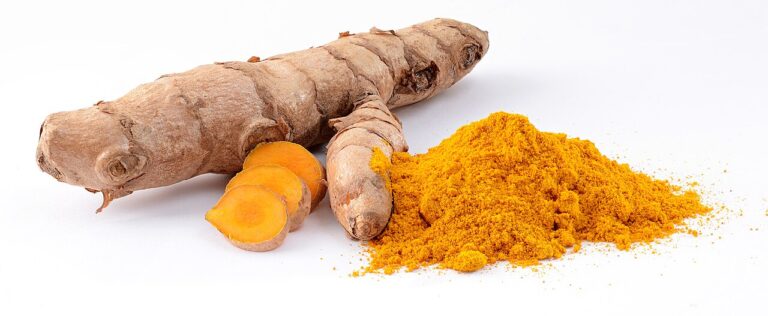
Turmeric is the golden root behind curry, wedding rituals and centuries of Ayurvedic and Chinese herbal practice. Here's how each tradition uses it, what modern studies on joints and digestion actually found, and why the strongest "high-absorption" capsules need more caution than the spice.
Saw Palmetto
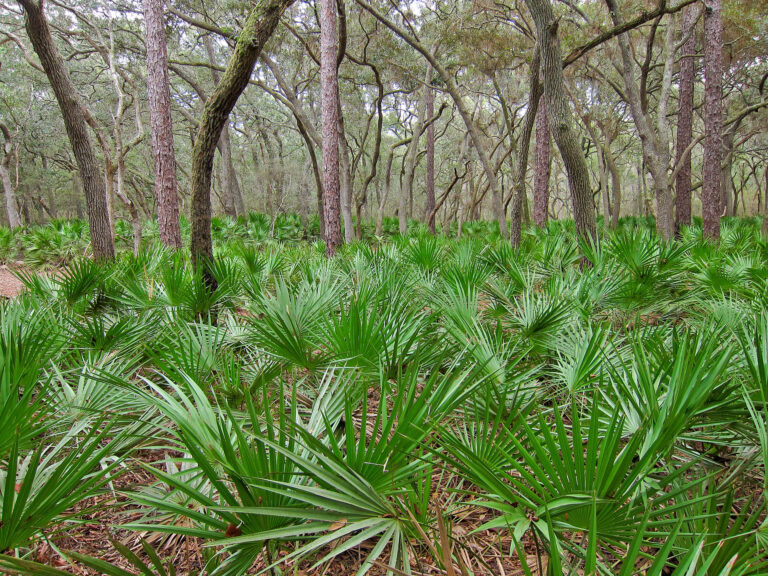
A small Florida palm whose dark berries were food for the Seminole and Ais peoples and became the best-known men's herb in Europe and North America. Here's what tradition and research say about it, and who should be careful.