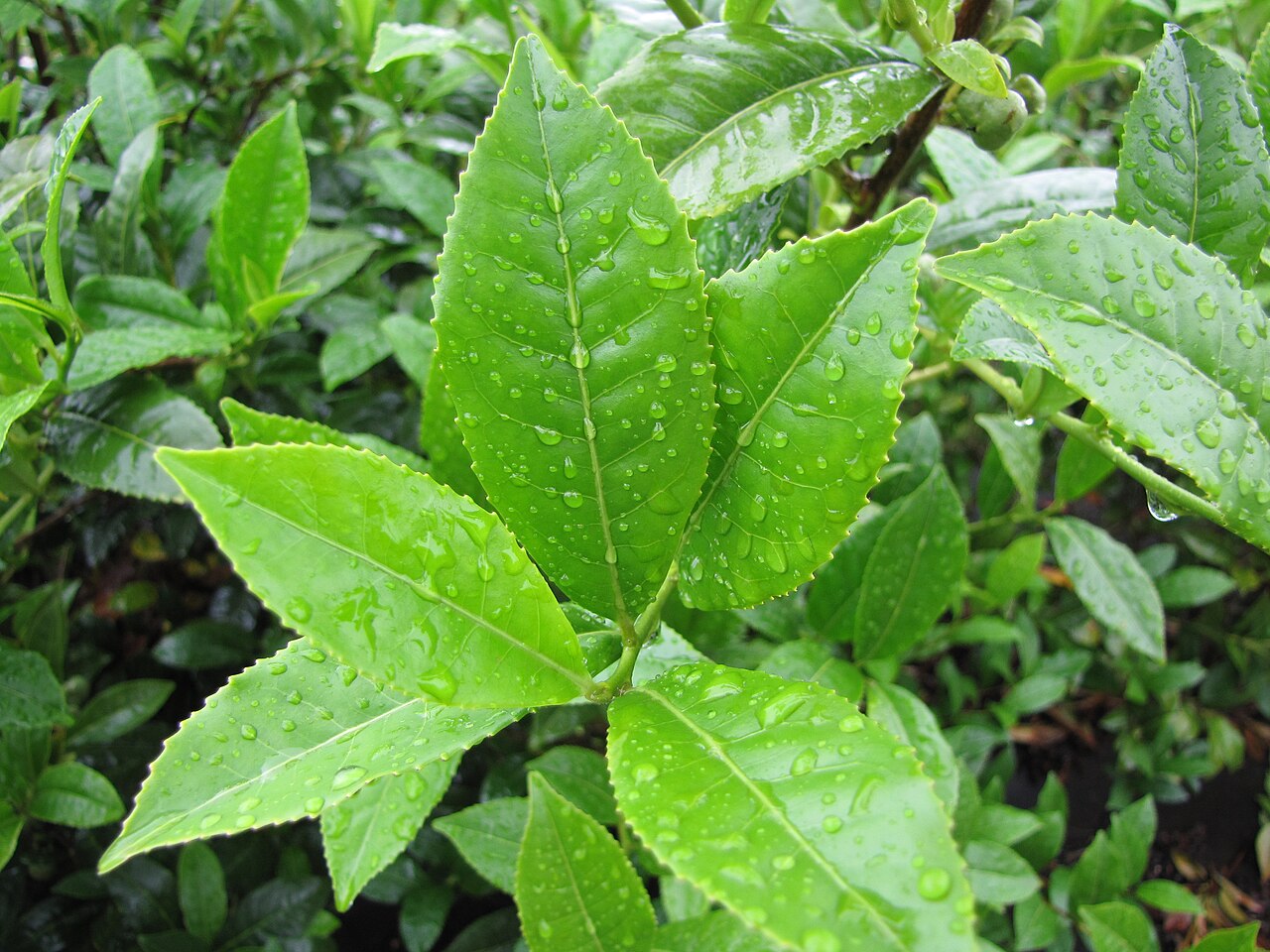
The tea plant was first grown in China thousands of years ago, and a Japanese monk wrote in 1211 that tea was a medicine for long life. Today green tea is one of the world’s most-loved daily drinks, and its leaf and extracts are some of the most-studied plant compounds there are.
Similar Posts
Hawthorn
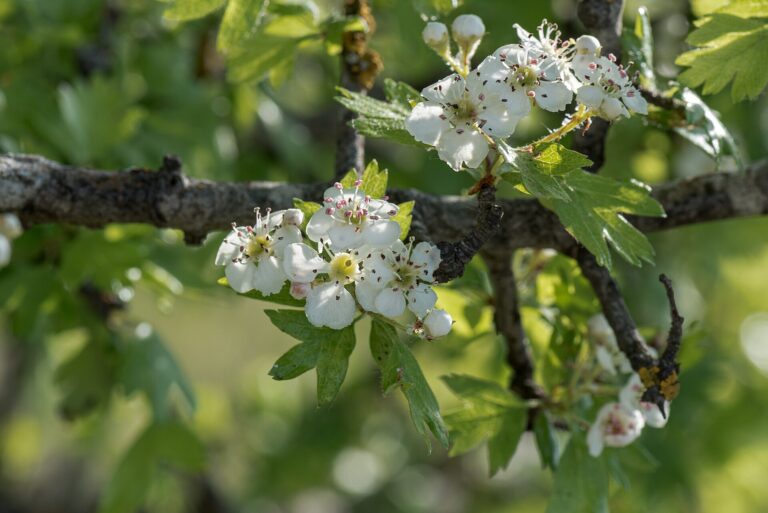
For nearly 2,000 years hawthorn has been Europe's best-known heart herb, and in Chinese medicine its tart red fruit is a classic digestive. Here's what tradition uses it for, what the studies show, and why anyone on heart medicine needs to check before taking it.
Nutmeg (Safety Profile)
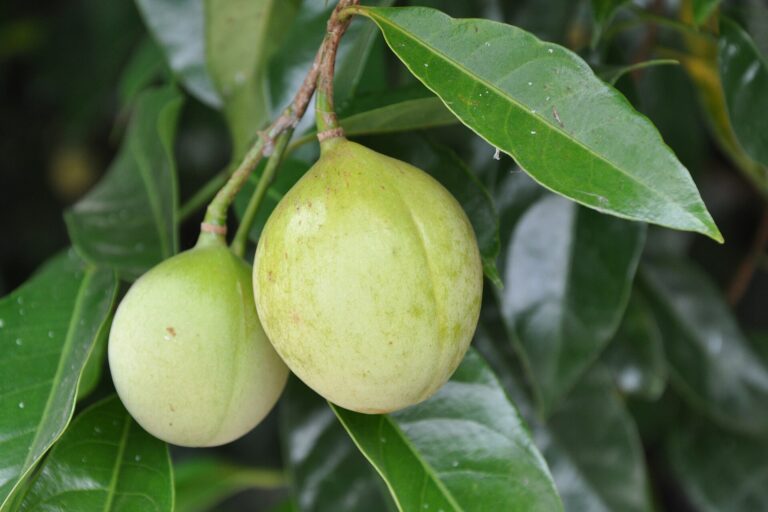
Nutmeg is the warm baking spice in eggnog and pumpkin pie, and an old Ayurvedic and Unani remedy for the gut and for sleep. In kitchen amounts it is a food; in spoonfuls it is a poison, which is why this profile leads with safety.
Garlic
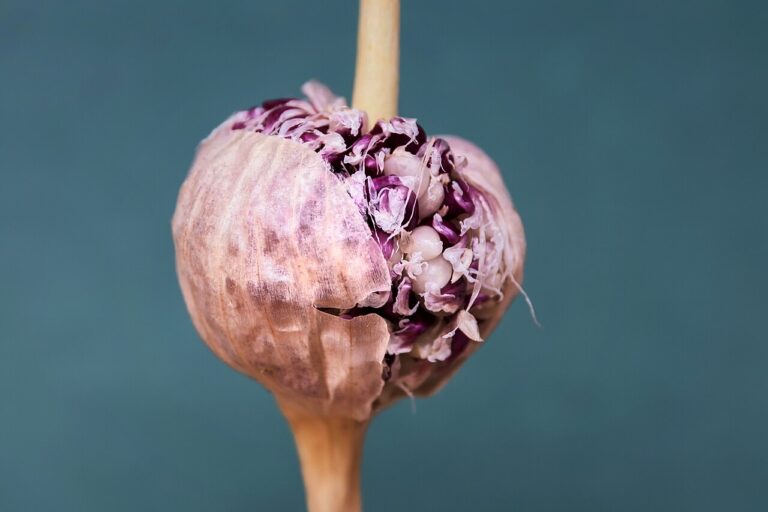
Garlic fed the pyramid builders, went into Hippocrates' remedies and is still one of the most used herbs in Ayurveda and Chinese medicine. Here's how each tradition uses it, what the bigger modern studies found for blood pressure, cholesterol and colds, and the medicine interactions that come with the supplements.
Flaxseed
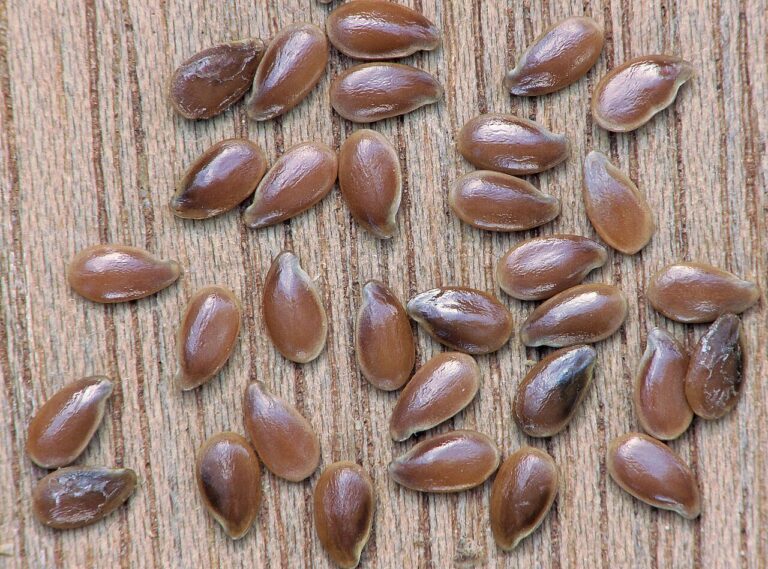
The small brown or golden seed behind linseed tea, old-fashioned linseed poultices and today's breakfast sprinkle. Flax has been a food, fibre and folk remedy for thousands of years and is now one of the better-studied seeds for the bowels and blood pressure.
Tormentil
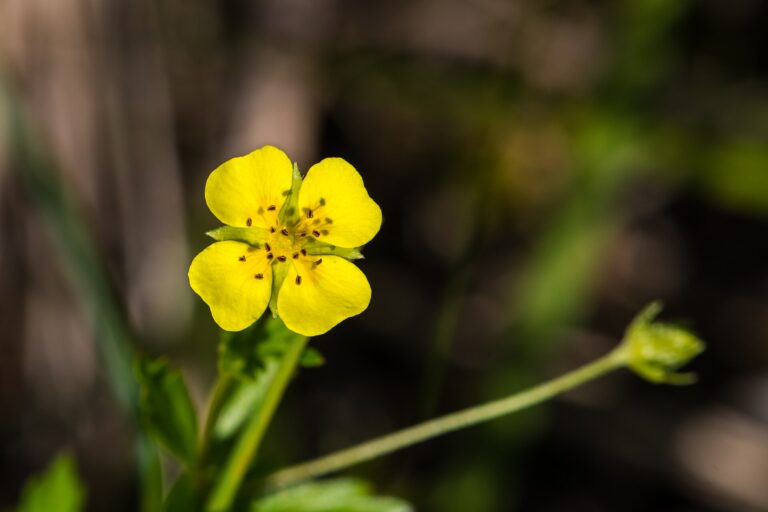
Tormentil is a small yellow-flowered moorland plant whose red, tannin-rich root has been a European standby for loose stools and sore mouths for centuries. Here's what tradition and the EU monograph say, and how to use it carefully.
Sarsaparilla
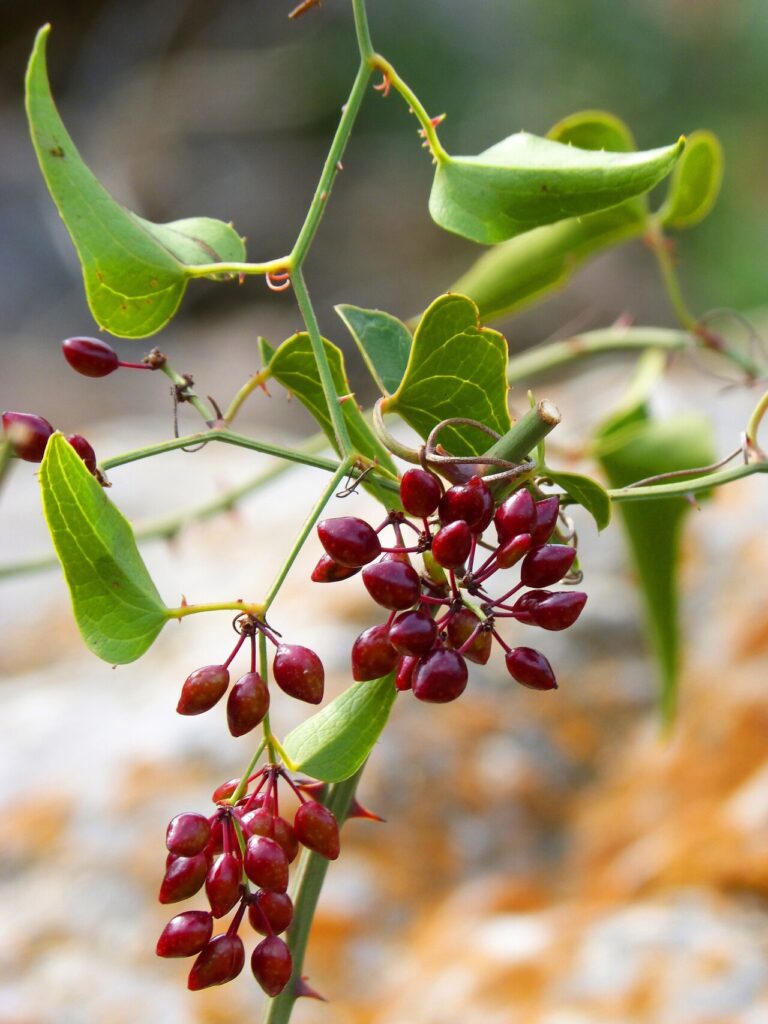
Sarsaparilla root was one of the most famous "blood purifiers" of European and American medicine for about three centuries, and it still turns up in blood-cleanse, skin and men's tonic blends. Members get the full entry: its history, why doctors doubted it as early as the 1850s, what the research does and doesn't show, and its digoxin, lithium and kidney cautions.