“Frankincense kills cancer cells without hurting healthy ones.” You’ve probably seen that post. Maybe you even shared it.
It’s not made up out of nothing. There really are studies where frankincense did something interesting to cancer cells.
But there’s a big gap between a cell in a lab dish and a person sitting in an oncologist’s office. Here’s what the research actually found, which form of frankincense was used, and how people use this ancient resin safely.
Quick take
- The “kills cancer cells” claim comes mostly from lab-dish studies, not from people.
- A few small human studies are promising, but none show frankincense treats cancer on its own.
- Most studies used boswellia extract capsules, not essential oil, and the oil doesn’t contain the compounds people talk about.
Where the claim comes from
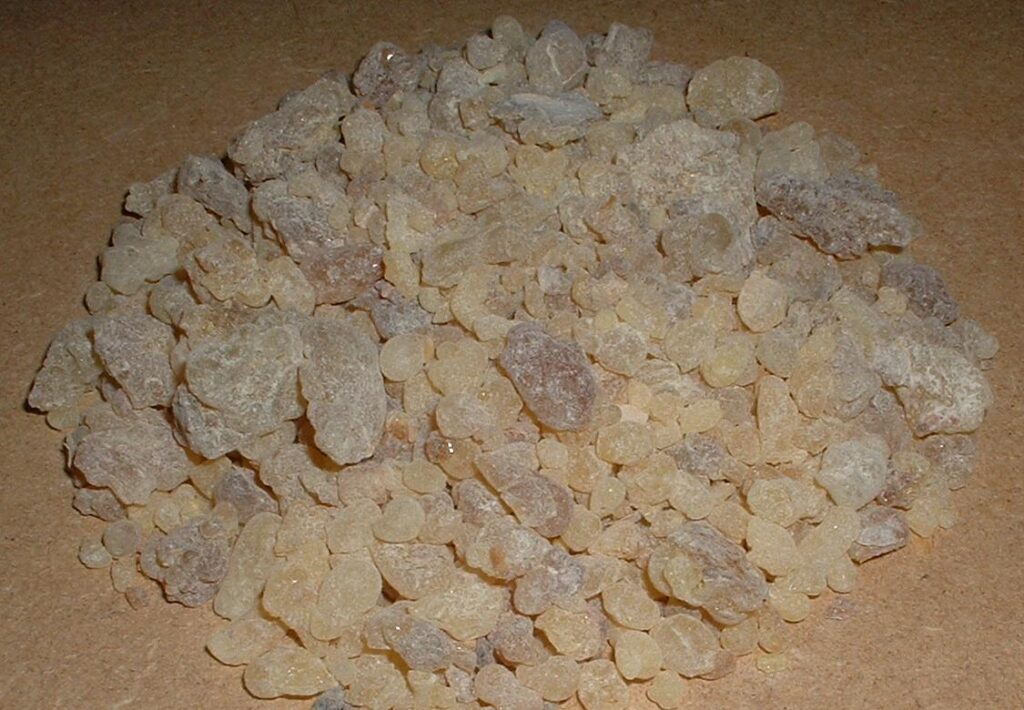
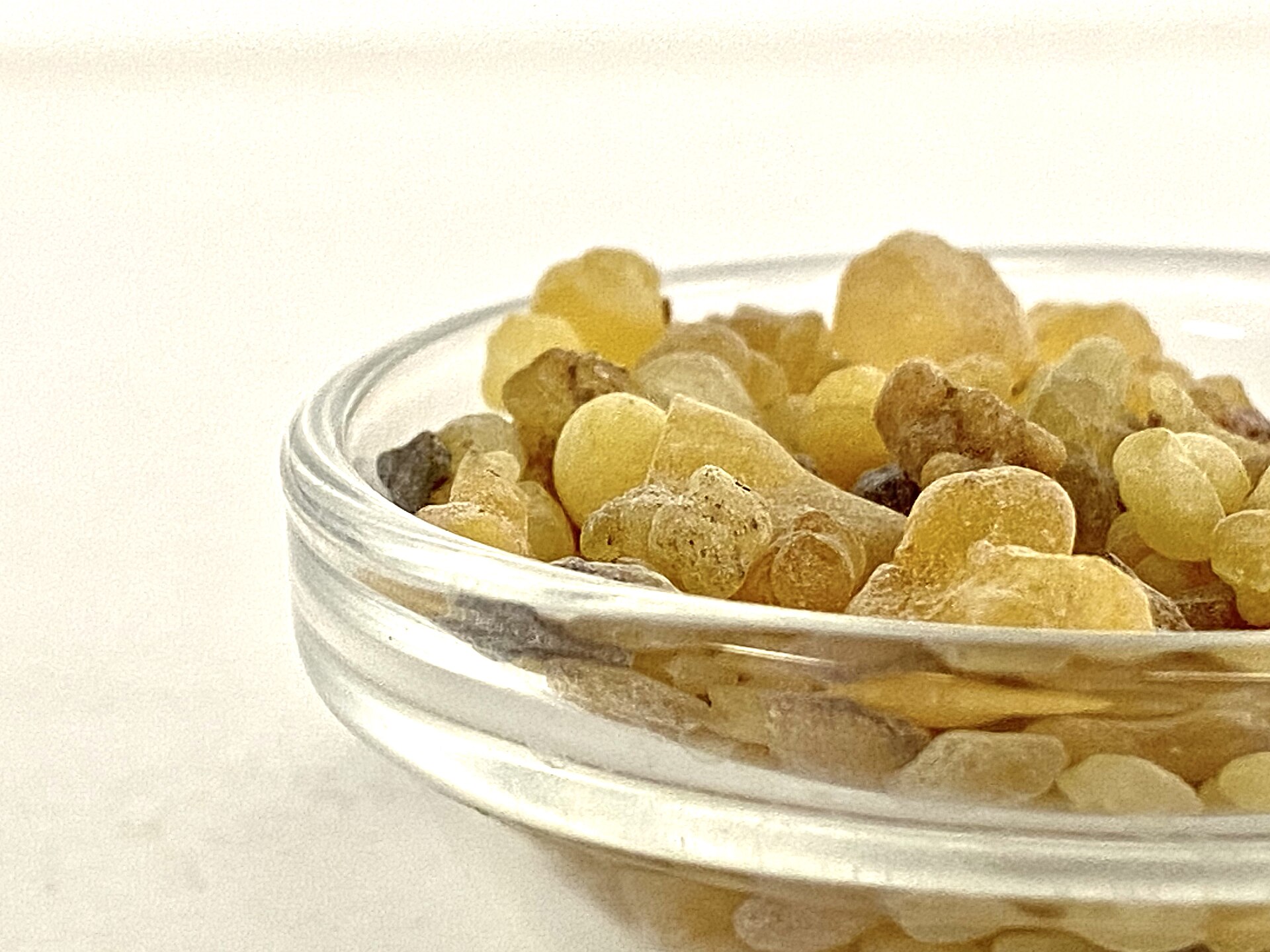
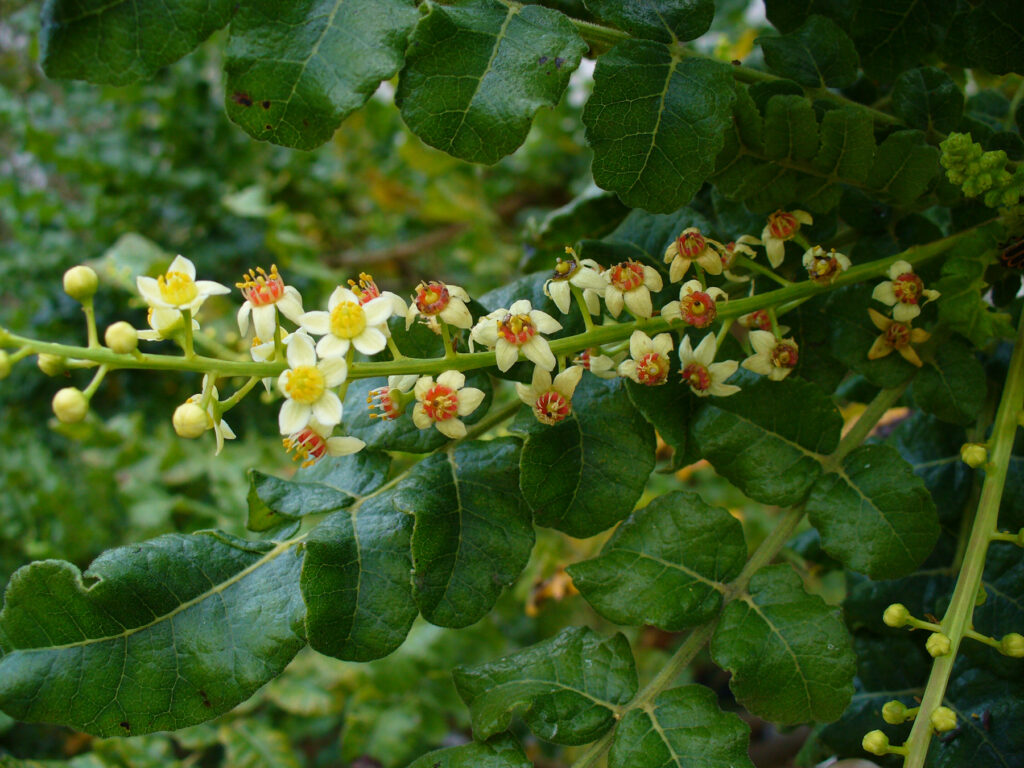
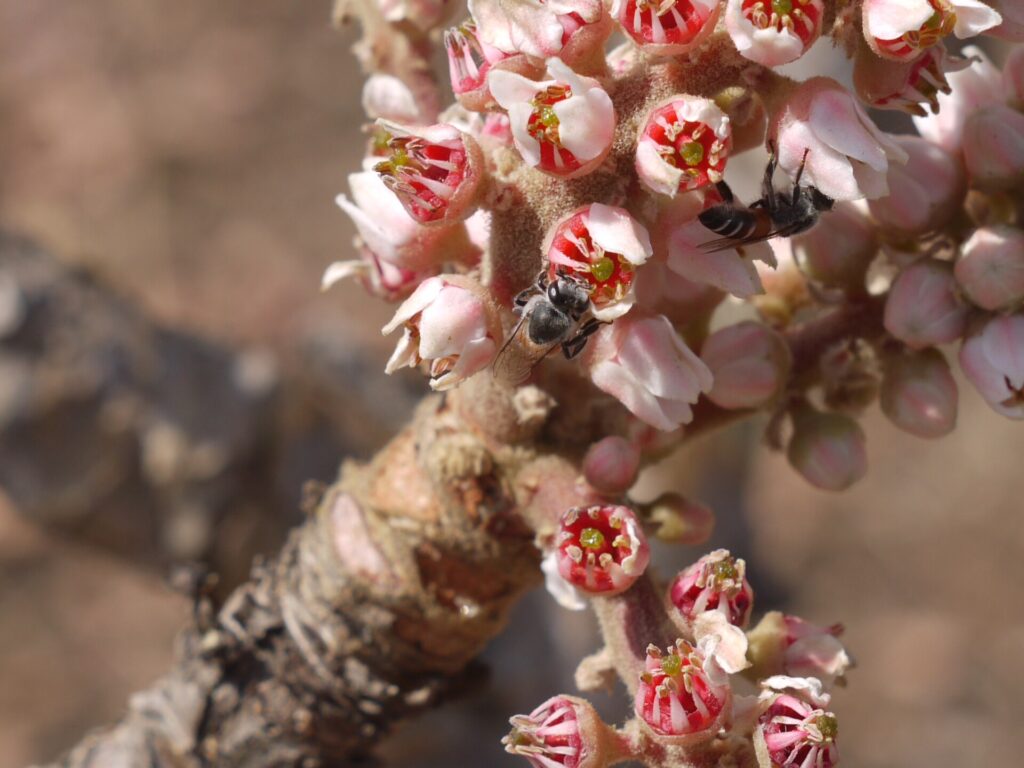
Frankincense is the dried resin of Boswellia trees, which grow in Oman, Yemen, Somalia, Ethiopia and India. People have burned it, chewed it and used it in medicine for thousands of years.
The viral claim traces back to a few kinds of lab research:
- The bladder cell study (2009). Researchers in Oklahoma put frankincense essential oil on human bladder cancer cells and normal bladder cells growing in dishes. The oil hit the cancer cells harder than the normal ones. That’s where “without hurting healthy cells” comes from. It was never tested in people.
- Boswellic acid studies. Compounds in the resin called boswellic acids have killed or slowed brain, blood and cervical cancer cells in lab experiments, according to Memorial Sloan Kettering Cancer Center’s herb database.
Lab results like these matter. They’re how researchers decide what to study next. But lots of things kill cancer cells in a dish, including bleach. The real question is what happens inside a human body.
What’s actually been tested in people
Here’s the human research, and it’s smaller than most people expect.
Brain swelling during radiation
A small, well-designed German pilot trial gave people having radiation for brain tumours either Indian frankincense extract (4,200 mg a day) or a placebo. Brain swelling dropped by more than 75% in 60% of the frankincense group, compared with 26% of the placebo group.
That’s a real result. But notice what it measured: swelling around the tumour, not the tumour itself. Doctors normally manage that swelling with steroids, and frankincense is being studied as a gentler helper there.
Breast cancer, before surgery
A tiny early-stage trial (published 2024) gave about 20 women with breast cancer 2,400 mg a day of boswellia extract for the week or two between their biopsy and their surgery. A marker of how fast tumour cells were dividing went down about 14% in the frankincense group and up about 55% in women who didn’t take it.
Interesting? Yes. Proof that frankincense treats breast cancer? No. It was a handful of people for about 11 days, it didn’t measure tumour size or survival, and the cancer-cell-killing effect seen in lab dishes didn’t show up.
Skin during radiation
A boswellia cream helped protect the skin of breast cancer patients during radiation in a randomized trial, according to Memorial Sloan Kettering. That’s comfort and skin support, not tumour control.
A result in a lab dish is a reason to keep studying. It’s not a reason to swap treatments.
The essential oil catch
Here’s the part almost no viral post mentions.
Boswellic acids, the compounds most of the research focuses on, are big, heavy molecules. They don’t come over when frankincense is steam-distilled into essential oil. So the little bottle of frankincense oil on your shelf contains essentially no boswellic acids.
The human studies above used standardized boswellia extract in capsules (or a cream), not essential oil. And please don’t swallow essential oils. They’re highly concentrated and can irritate or damage the mouth, throat and stomach.
How people traditionally use frankincense
Long before anyone studied cancer cells, frankincense had a big job in traditional medicine:
- In Ayurveda, Indian frankincense (Boswellia serrata, called salai guggul) is traditionally used for stiff, painful joints and inflammation.
- In the Middle East, people chew the resin and burn it as incense, and it’s traditionally used for digestion and the airways.
- Naturopaths today use boswellia to support joints, breathing and a calm gut. Memorial Sloan Kettering lists arthritis, asthma, colitis and inflammation among its popular uses.
Typical amounts: in studies on joints and inflammation, boswellia extract is commonly given at about 300 to 400 mg, three times a day. Products vary a lot, so follow the label. Always check with your doctor or pharmacist before starting anything new, especially if you’re pregnant, nursing, on medication or managing a health condition.
If inflammation is your main interest, see Inflammation and your spice rack for the kitchen herbs traditionally used alongside it.
Who should be careful
- People on blood thinners (like warfarin) or antiplatelet drugs: boswellia may raise bleeding risk. Talk to your doctor first.
- Anyone on chemotherapy or other cancer drugs: boswellia may change how the liver and gut handle some medicines. Don’t add it without your oncology team.
- Pregnant or breastfeeding: avoid it. There isn’t enough safety information.
- Sensitive stomachs: diarrhea, nausea, stomach pain and reflux are the most common side effects.
- Skin: the resin and oil can cause allergic skin rashes in some people. Always dilute oils for skin use and patch-test first.
If you or someone you love has cancer
Natural remedies can have a place alongside care. Many cancer centres now have integrative medicine teams for exactly this reason.
Don’t stop, delay or replace medical treatment because of a post like this one, or any other. Bring the frankincense question to your oncology team. Ask them directly: “Is boswellia safe with my treatment, and could it help with swelling or side effects?” A good team will take that question seriously.
Try this today
Next time a post says a herb “kills cancer cells”, ask three quick questions: Was it tested in a dish, in animals or in people? Which form was used? And how many people? Those three answers tell you most of what you need to know.
Go deeper in the Vault
Vault members get the full Boswellia (Frankincense) profile in the Herbal Library, with traditional uses, evidence labels and safety notes, plus the Pain & Inflammation: everything in the Vault hub and a place to ask questions on the Members Q&A board.
Educational only, not medical advice. This information has not been evaluated by the FDA or Health Canada and is not intended to diagnose, treat, cure, or prevent any disease. Talk to your healthcare provider before starting any remedy, supplement, or detox, especially if you are pregnant, nursing, taking medication, or managing a health condition. Read our full Medical Disclaimer.