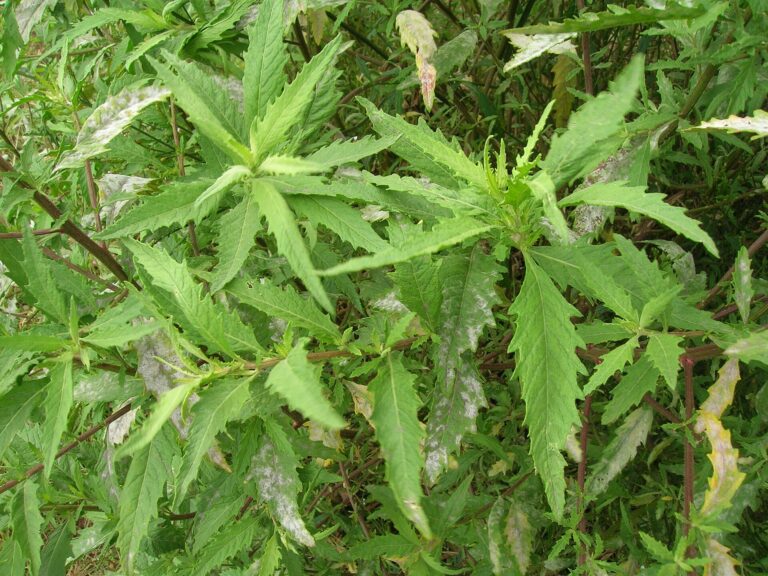
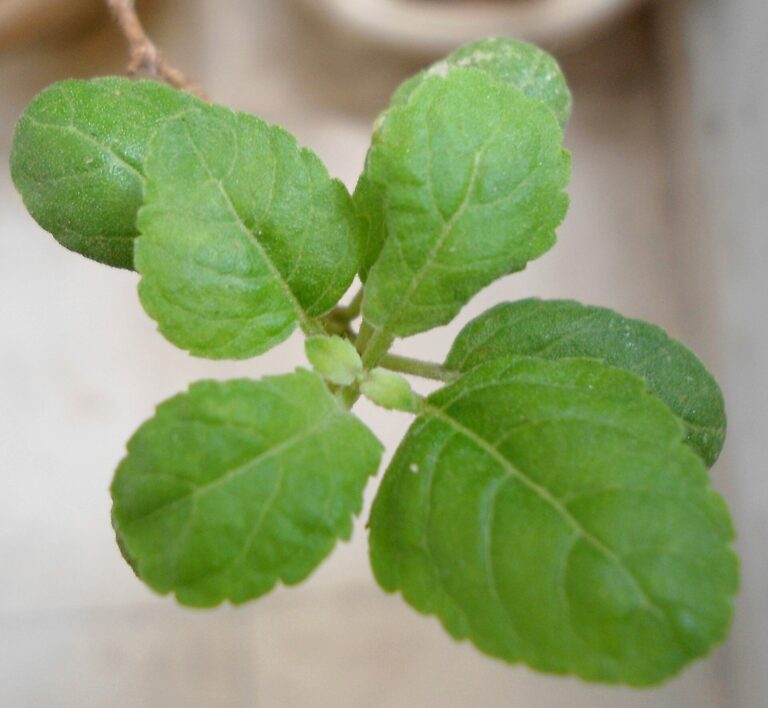
Kutaja bark is Ayurveda’s best-known herb for loose stools and dysentery, and it was once sold in Western pharmacies as “conessi”. This profile covers the tradition, why its strong alkaloids make it a practitioner-only herb, and gentler options to try first.
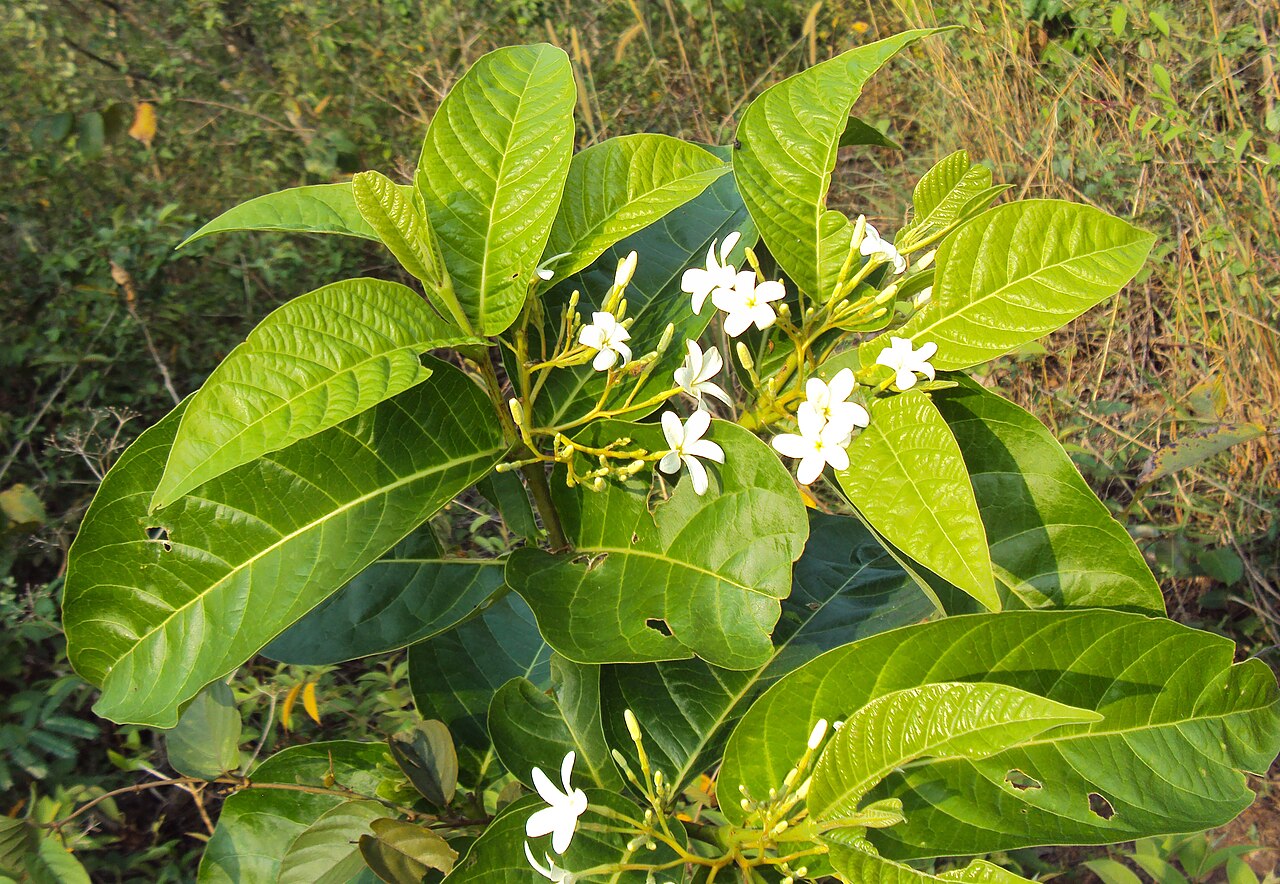
Similar Posts
TUDCA and Ox Bile
TUDCA and ox bile are bile-acid supplements sold for "liver detox", bile flow and fat digestion, especially after gallbladder removal. Here's what the research on the related drug ursodiol shows, what's missing for supplements, and who must get checked first.
Bone Broth
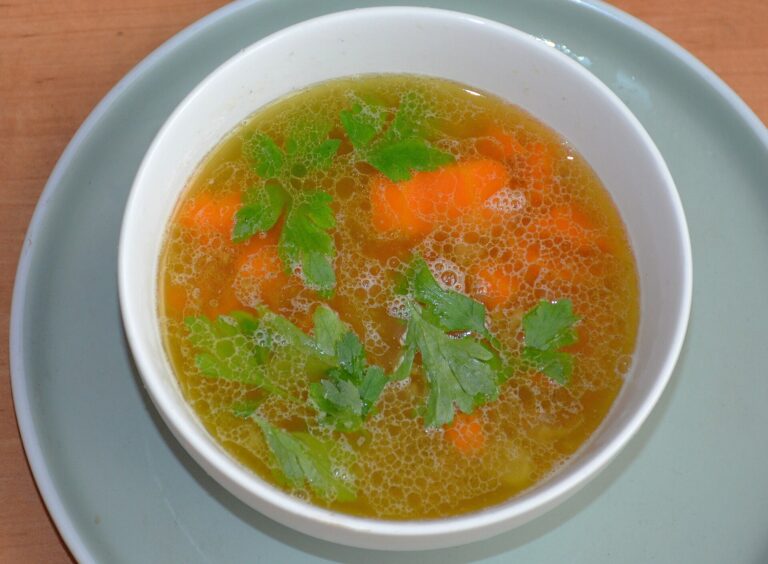
Grandmothers, Maimonides and Ayurvedic cooks all reached for long-cooked broth when someone was ill or run down. Here's what's known about bone broth today: what's really in the pot, what the research does and doesn't show, and how to make and store it safely.
Epazote (Safety Profile)
Epazote is a pungent Mexican kitchen herb traditionally stirred into a pot of beans, and it has a long folk history as a worm remedy. Its seed oil, though, is a known poison, so here's where the uses come from and what to know before you go beyond a sprig in the pot.
Diarrhea: natural options
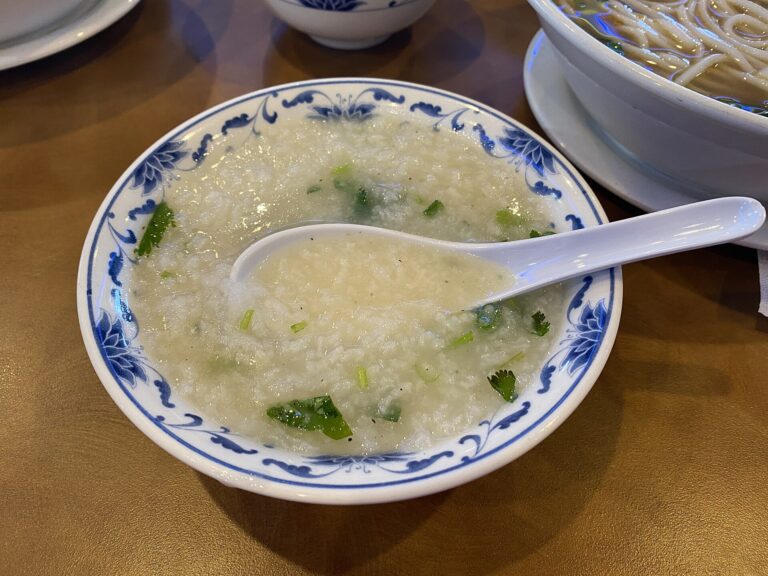
A bout of diarrhea usually passes within a week, and the most important remedy is the simplest: fluids and salts. This entry sorts rehydration drinks, bland foods, tannin teas, fibre, zinc and probiotics by how well they're backed, and lists the signs that mean see a doctor.
Gotu Kola
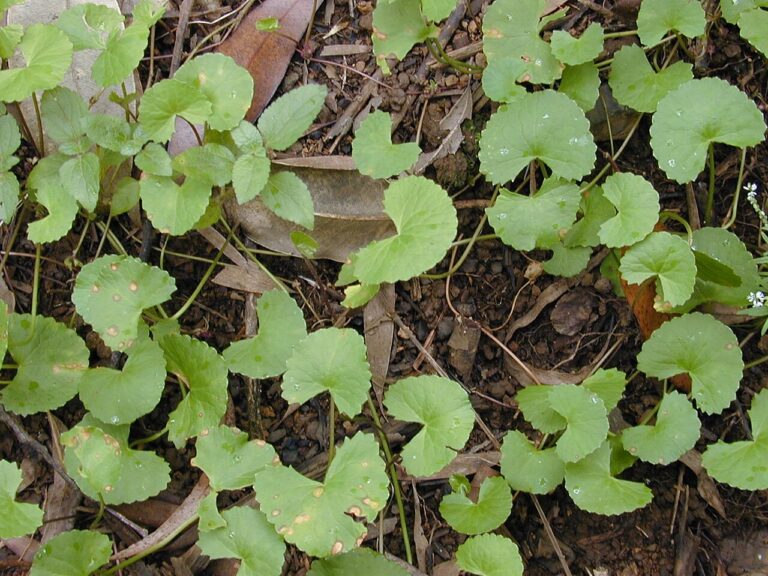
A small creeping plant from the carrot family, prized in Ayurveda as a "medhya rasayana", a tonic for the mind, and across Asia for skin, wounds and longevity. Sri Lankan tradition held that eating the leaves helped people live longer.
Holy Basil (Tulsi)
Sacred in Hindu tradition and called the "elixir of life" in Ayurveda, tulsi has been a daily tonic in India for thousands of years. Here's what tradition uses it for, what the modern studies show, and who should be careful with it.