Puffy ankles after a flight, rings that won’t come off before a period, legs that feel like lead by evening. Here are the herbal teas, kitchen foods, old water cures and everyday habits people turn to when fluid builds up, what each tradition says about them, and the signs that mean see a doctor first.
Similar Posts
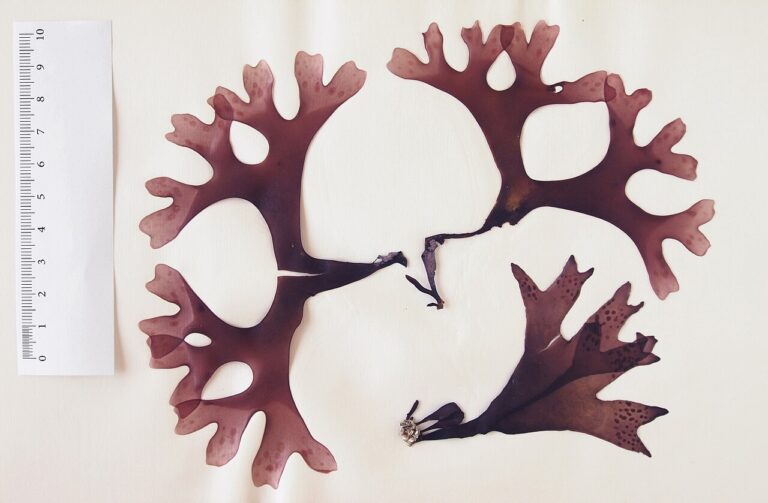
Sea Moss (Irish Moss)
A red seaweed from rocky North Atlantic shores that Irish families boiled into a soothing drink for coughs and colds, and that Caribbean kitchens turned into a thick, spiced milk drink for strength. Today it's a popular gel and gummy sold as a mineral-rich "superfood".
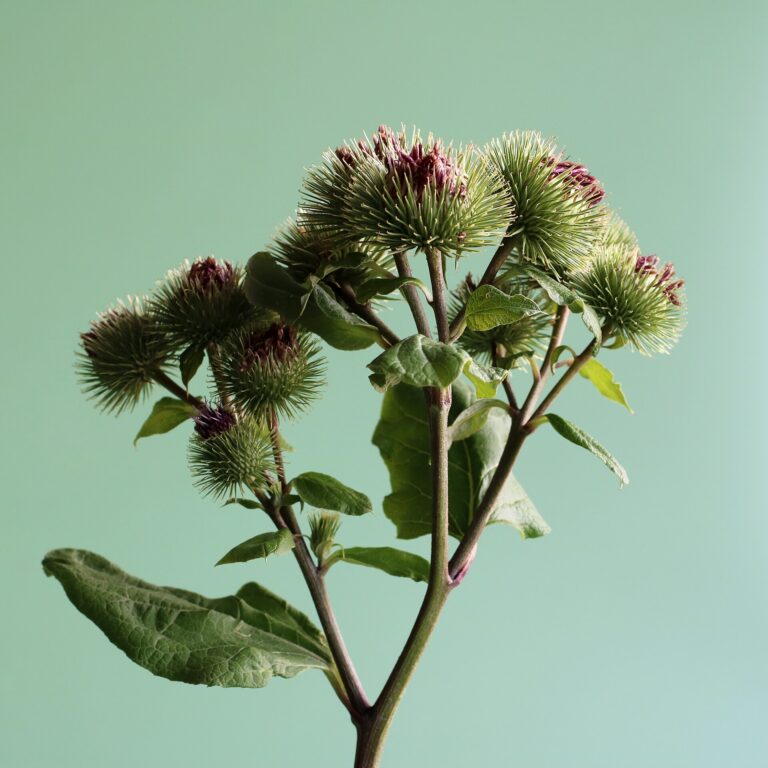
Burdock Root
A roadside weed with a long, deep root that ended up in Japanese kitchens, Western "blood purifier" teas, Chinese cold remedies and one of the most famous herbal cancer formulas. Here's burdock's full story.
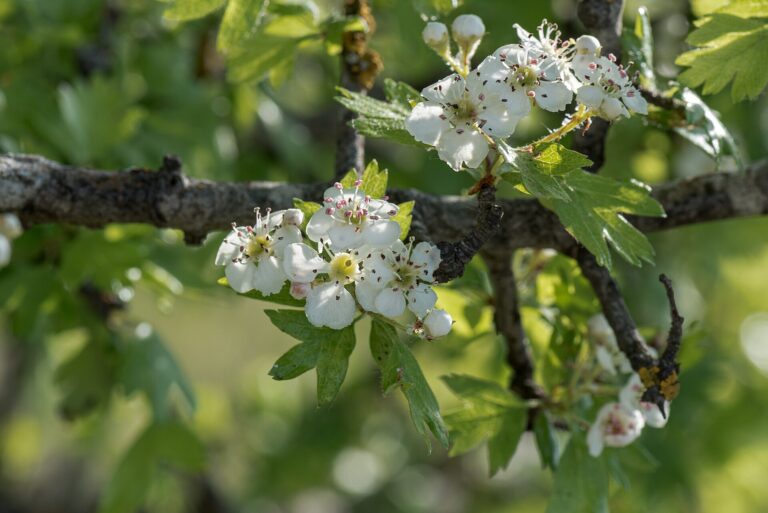
Hawthorn
For nearly 2,000 years hawthorn has been Europe's best-known heart herb, and in Chinese medicine its tart red fruit is a classic digestive. Here's what tradition uses it for, what the studies show, and why anyone on heart medicine needs to check before taking it.
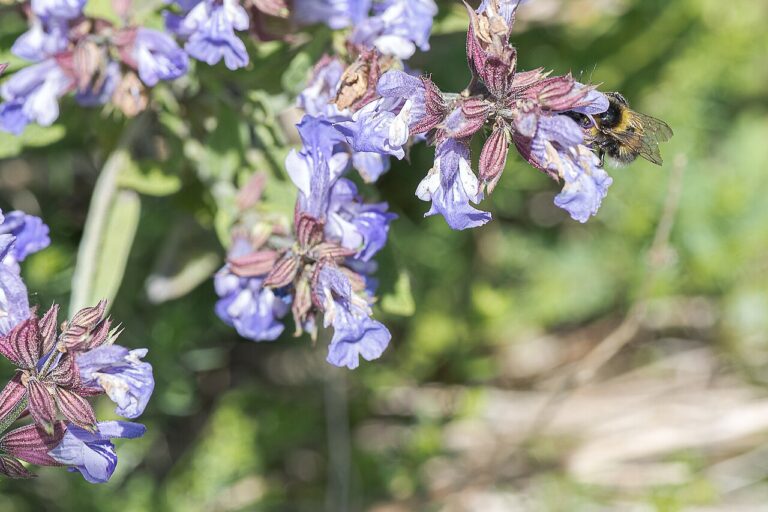
Sage
The grey-green kitchen herb of stuffing and brown butter has one of the longest medicinal records in Europe — "Sage the Saviour" to the medieval school of Salerno. Members can read what it has been used for, from sore throats and night sweats to memory, and how to use it well.
Pomegranate
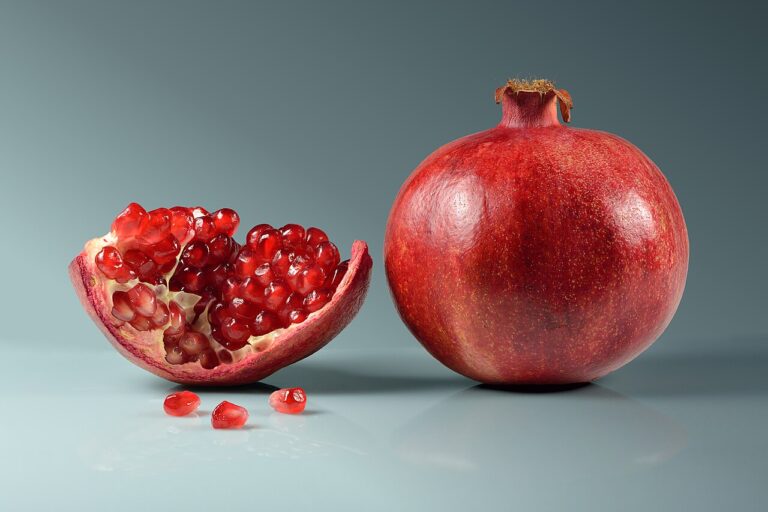
Pomegranate is a well-loved fruit and an old Ayurvedic remedy for loose stools, worms and acidity. Here's what's known about the juice, the extract and the rind, and why the root and peel need care.
Ginger
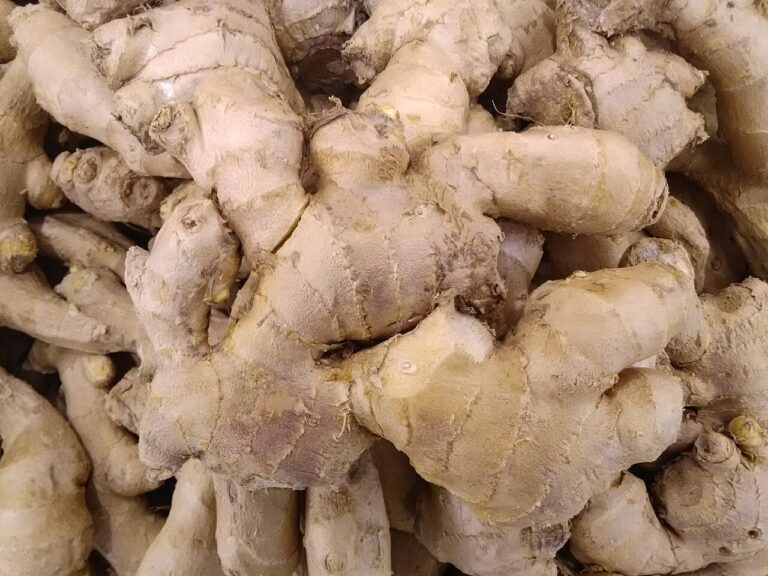
Ayurveda calls dried ginger "the great medicine" and Chinese medicine calls fresh ginger its most important herb for nausea. Here's how each tradition uses it, what the trials found for nausea, period pain and sore joints, and which medicines to check before taking it as a supplement.