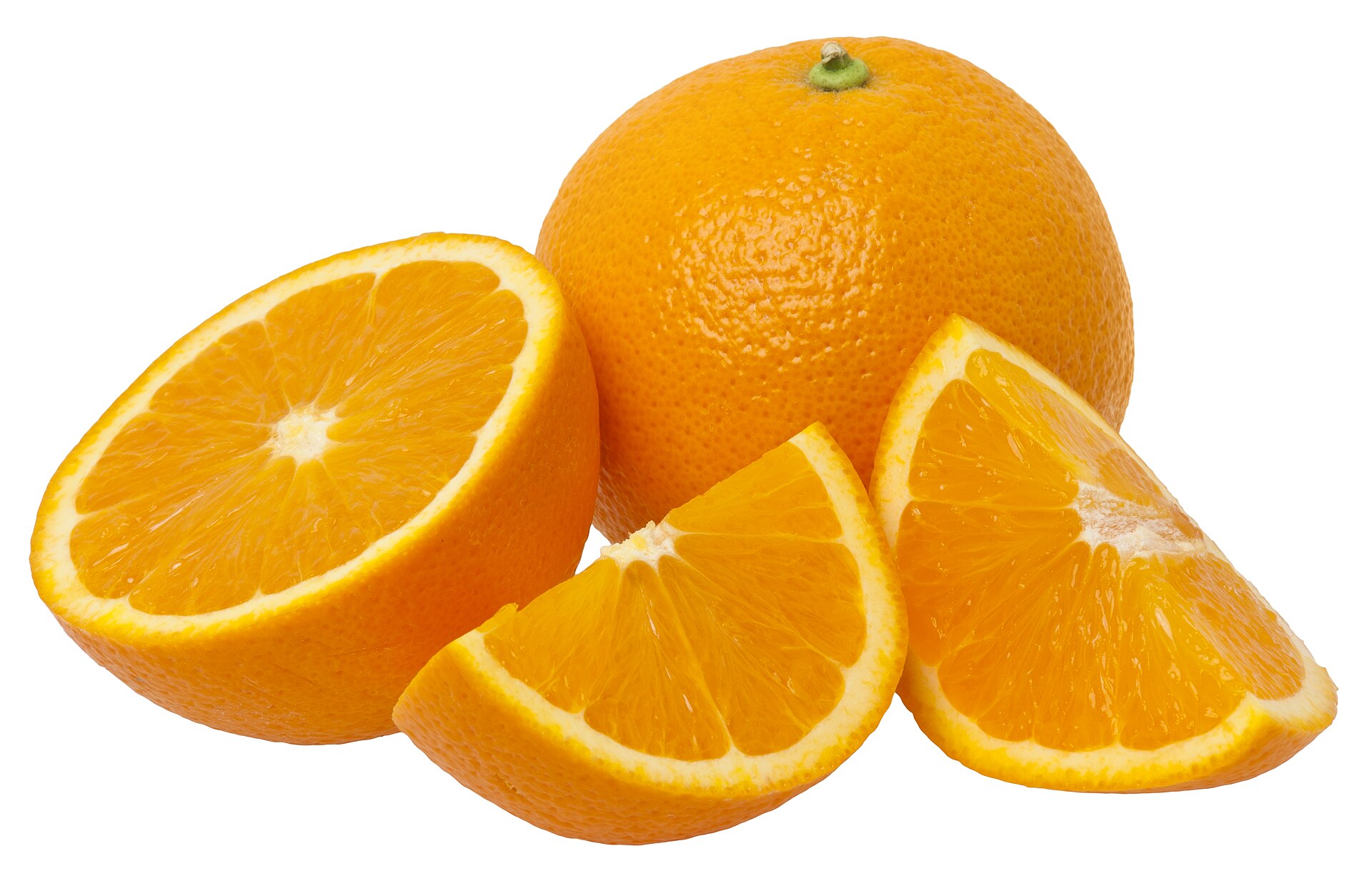
Vitamin C is the vitamin most people reach for at the first sniffle. Here’s what it actually does in your body, which foods cover your needs, what the cold research really shows, and when “more” stops helping.
Similar Posts
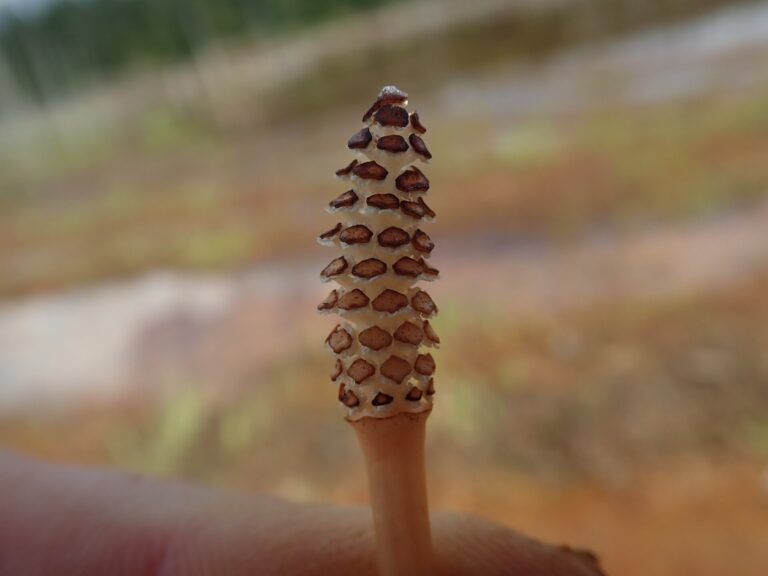
Horsetail
An ancient, jointed plant that looks like a little green bottle brush, horsetail is so rich in silica that people once used it to scrub pots and sand canoes. Here's what tradition and research say about it, and why it should be used carefully.
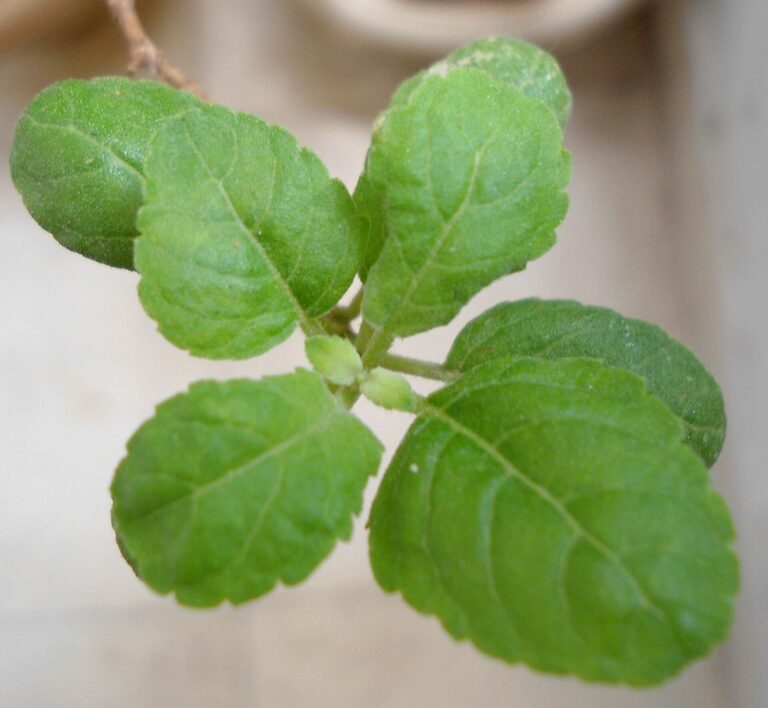
Holy Basil (Tulsi)
Sacred in Hindu tradition and called the "elixir of life" in Ayurveda, tulsi has been a daily tonic in India for thousands of years. Here's what tradition uses it for, what the modern studies show, and who should be careful with it.
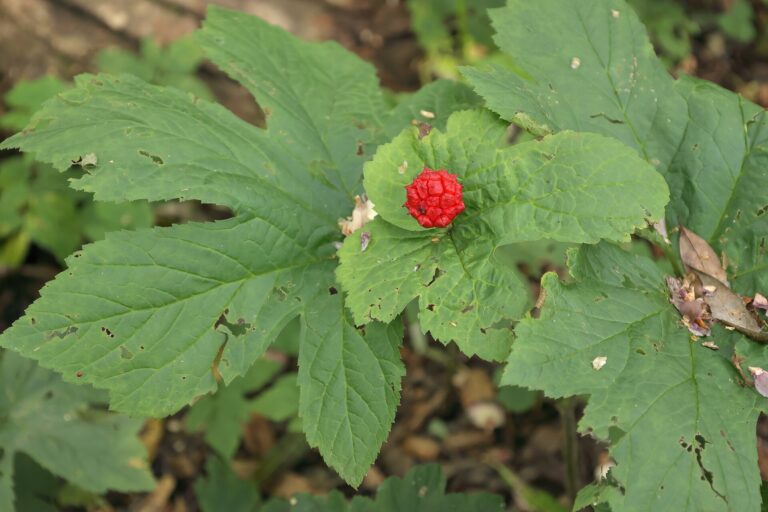
Goldenseal
A small woodland plant of eastern North America with a bright-yellow root, used by Cherokee, Iroquois and other Indigenous nations for sore eyes, wounds and as a yellow dye. It became one of the best-known remedies of 19th-century herbal medicine, and is now so heavily harvested that it's a protected, at-risk species, so where it comes from matters.
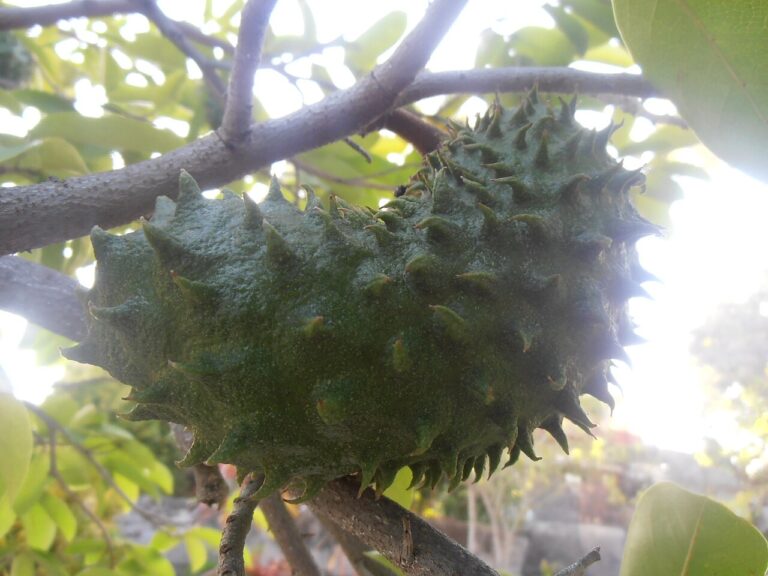
Soursop (Graviola)
A tropical fruit tree whose leaves have been brewed as a folk tea across the Caribbean, Latin America and Africa for generations. Here's what tradition says, what the research has (and hasn't) shown, and the safety points every user should know first.
Berberine
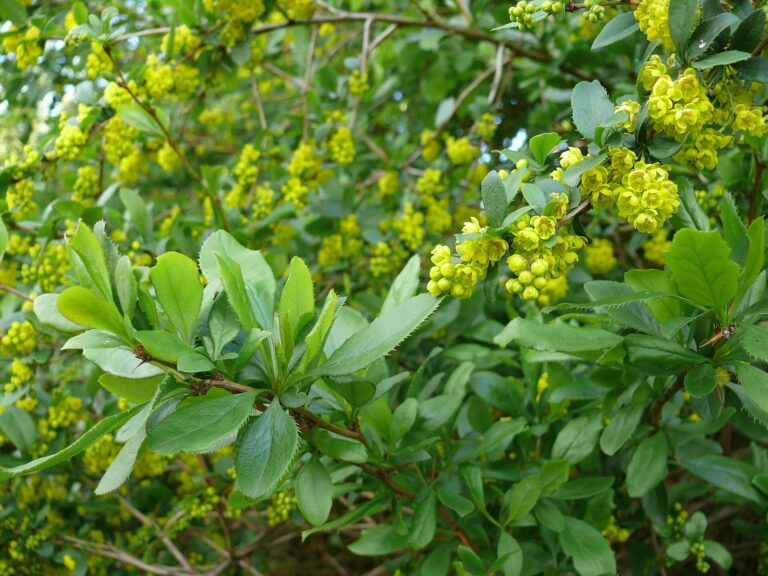
Berberine is the bright-yellow compound behind some of the oldest bitter remedies in Ayurveda and Chinese medicine, from Indian barberry to Chinese goldthread. Today it is one of the most-studied plant compounds for metabolic health, and one of the most interaction-prone, so it is worth reading the safety section first.
Elderberry (Sambucus nigra)
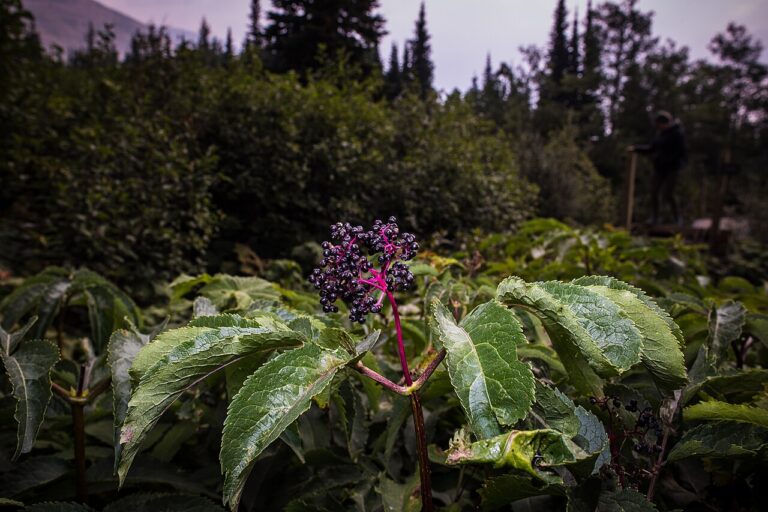
A dark purple berry that European households have cooked into syrups for generations at the first sign of a cold. Today it's one of the most popular herbal supports for the cold and flu season.