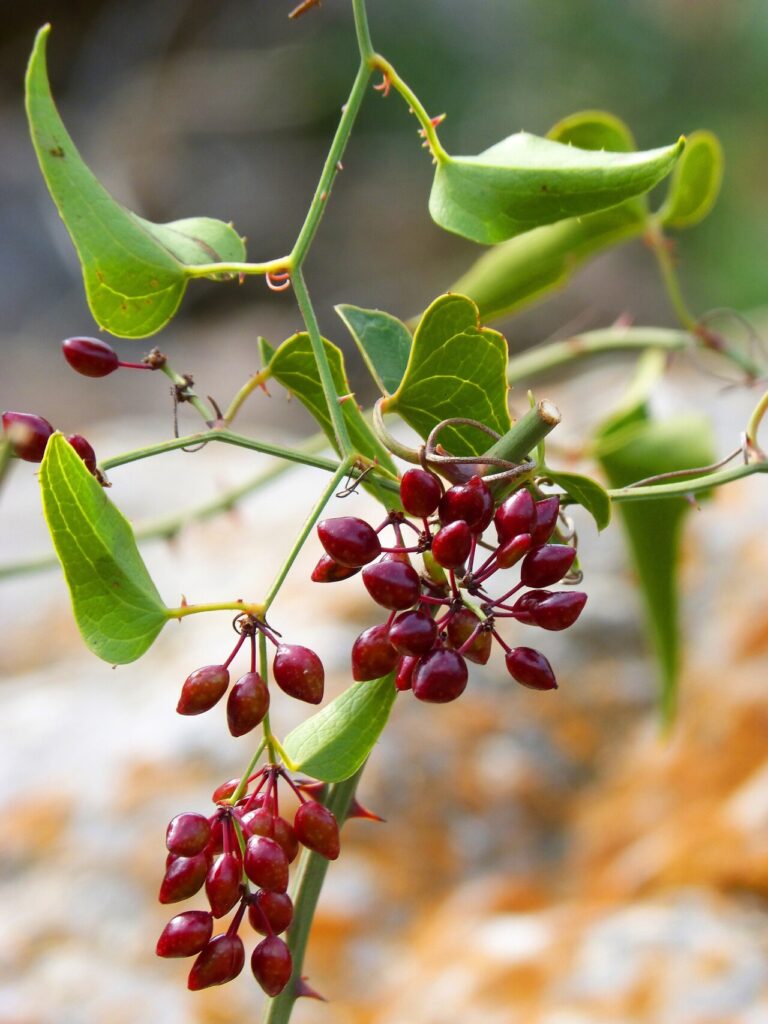
Yellow dock was one of the classic “blood purifiers” of 19th-century herbal medicine, and it still turns up in liver and lymph cleanse blends and folk iron tonics. Members get the full entry: its history around the world, what the research does and doesn’t show, traditional amounts, and why its safety section is longer than its benefits.

Similar Posts
Modified Citrus Pectin
Modified citrus pectin is a citrus-peel fibre that's been broken into smaller pieces, and detoxers use it as a gentle binder. Members can read what the small studies found, how people take it, and the safety points to know first.
Sea Moss (Irish Moss)
A red seaweed from rocky North Atlantic shores that Irish families boiled into a soothing drink for coughs and colds, and that Caribbean kitchens turned into a thick, spiced milk drink for strength. Today it's a popular gel and gummy sold as a mineral-rich "superfood".
Cinnamon
One of the oldest spices in the world, cinnamon was traded from Asia to Egypt as far back as 2000 BC. Ayurveda, Chinese medicine and Persian medicine all use it as a warming herb for digestion, circulation and the womb, and modern researchers are studying it for period pain and metabolic health.
Sarsaparilla
Sarsaparilla root was one of the most famous "blood purifiers" of European and American medicine for about three centuries, and it still turns up in blood-cleanse, skin and men's tonic blends. Members get the full entry: its history, why doctors doubted it as early as the 1850s, what the research does and doesn't show, and its digoxin, lithium and kidney cautions.
Shilajit
A dark mountain resin that Ayurveda has treated as a prized rejuvenating tonic for centuries, now sold worldwide for energy and men's vitality, and one of the supplements most likely to be contaminated.
B-Complex
A B-complex bundles the eight B vitamins your body uses to turn food into energy and keep nerves and blood healthy. Here's what each one does, who tends to run low, what the research on stress and energy shows, and why "more" on the label isn't always better.