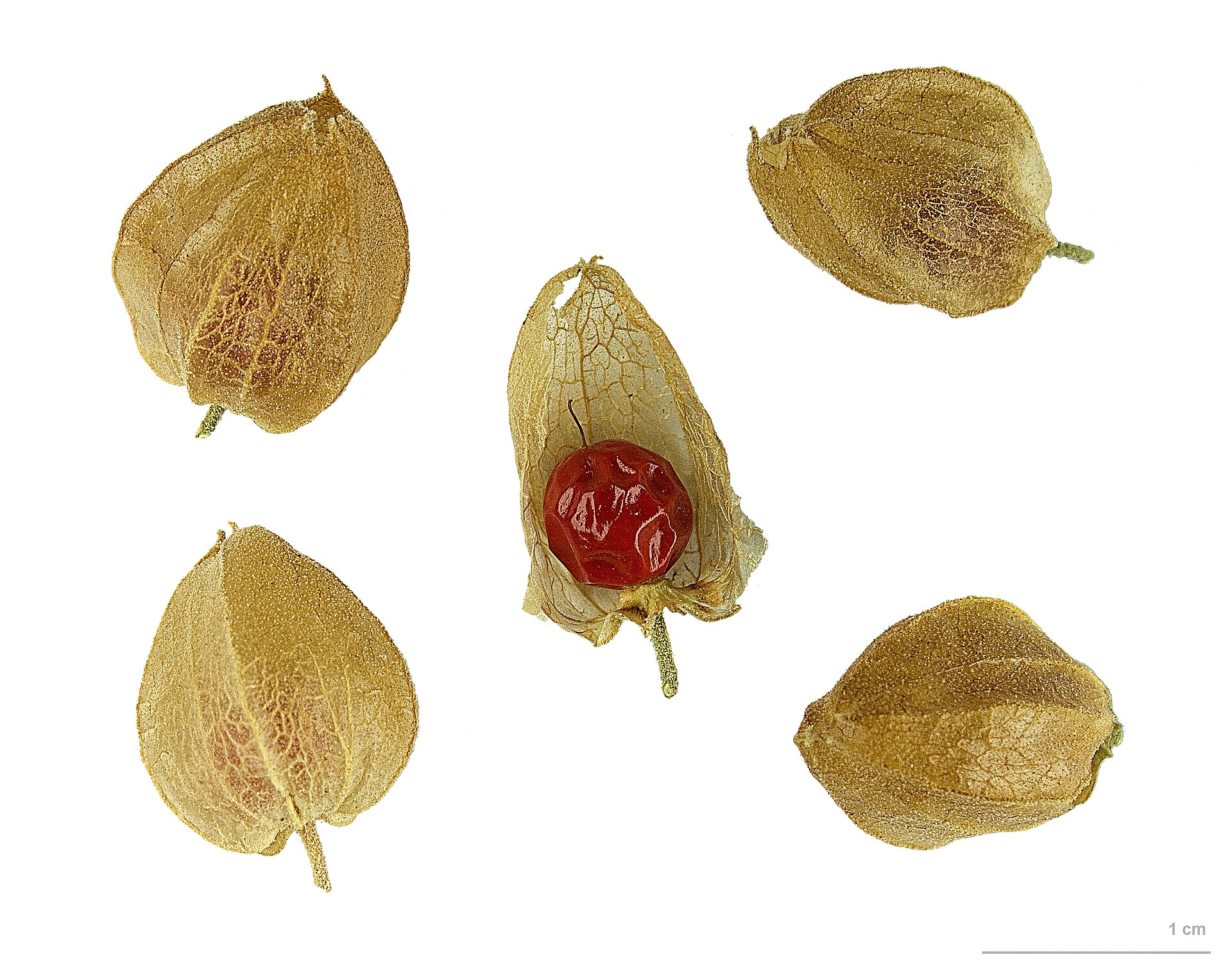
One of Ayurveda’s most prized rejuvenating roots, taken for centuries to build strength and help the body cope with stress. Members use it today for calm, sleep, energy and everyday resilience.
Similar Posts
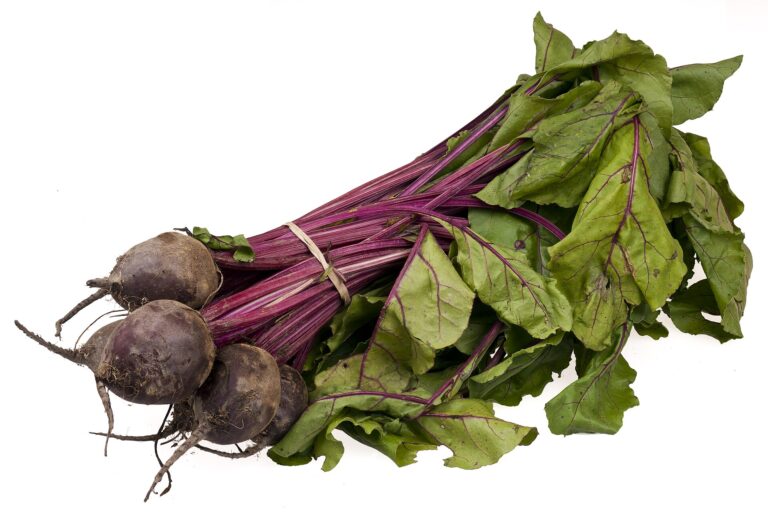
Beets
The deep-red root that shows up in almost every liver cleanse and "detox juice." Here's why people reach for it, what the research actually shows (mostly about blood pressure, not detox), and the harmless-but-alarming side effect everyone should know about.
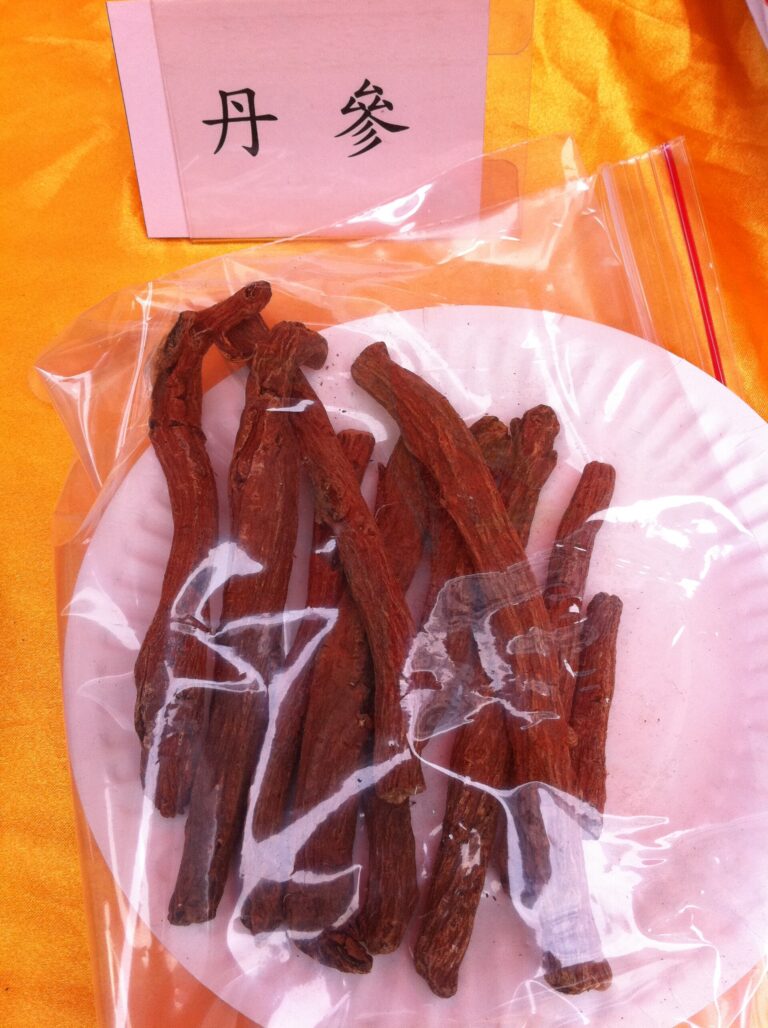
Danshen (Safety Profile)
Danshen, the red root of a Chinese sage, is one of the most-used herbs in Chinese medicine for the heart and circulation. It also thins the blood, which makes it one of the riskiest herbs to mix with warfarin and other blood thinners.
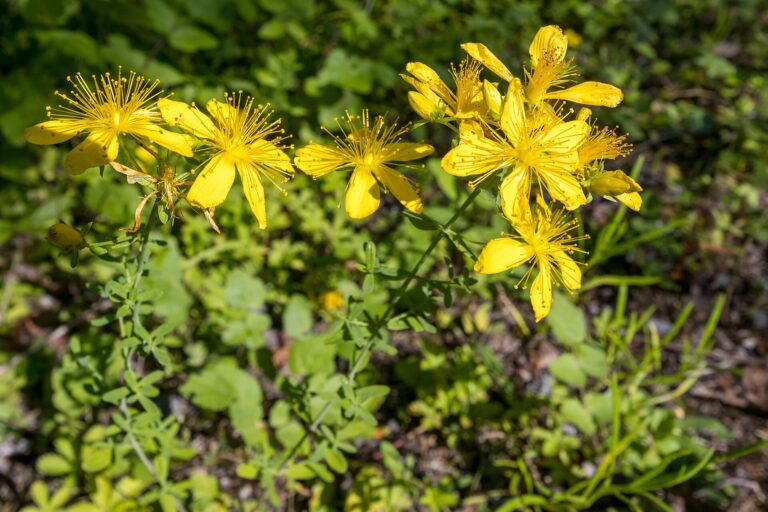
St. John’s Wort
A bright yellow summer flower named after St. John, gathered around Midsummer and steeped in oil until it turns blood-red. Europe has used it for low spirits, nerves and skin for centuries, and today it's one of the most-studied herbs for mood. It also has more drug interactions than almost any other herb, so this page starts its Safety section there.
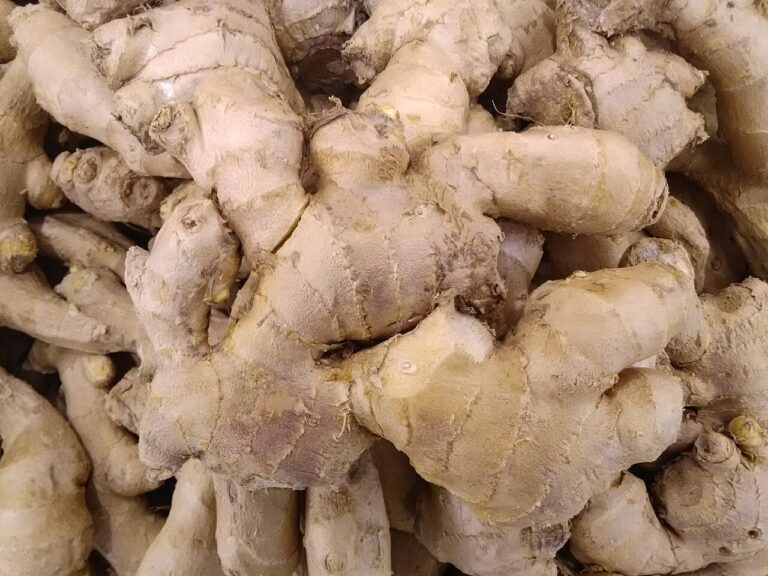
Ginger
Ayurveda calls dried ginger "the great medicine" and Chinese medicine calls fresh ginger its most important herb for nausea. Here's how each tradition uses it, what the trials found for nausea, period pain and sore joints, and which medicines to check before taking it as a supplement.
Uva Ursi
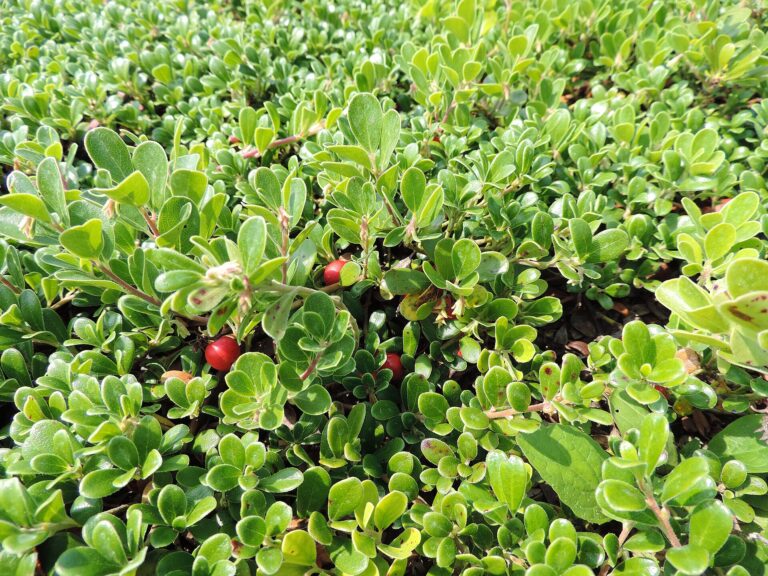
Uva ursi, or bearberry, is one of the best-known traditional bladder herbs, and one with the strictest limits. Here is its history from Welsh physicians to kinnikinnick, what the EU monograph and a 382-woman trial say, the one-week amounts, and who should not use it.
Epsom Salt Baths
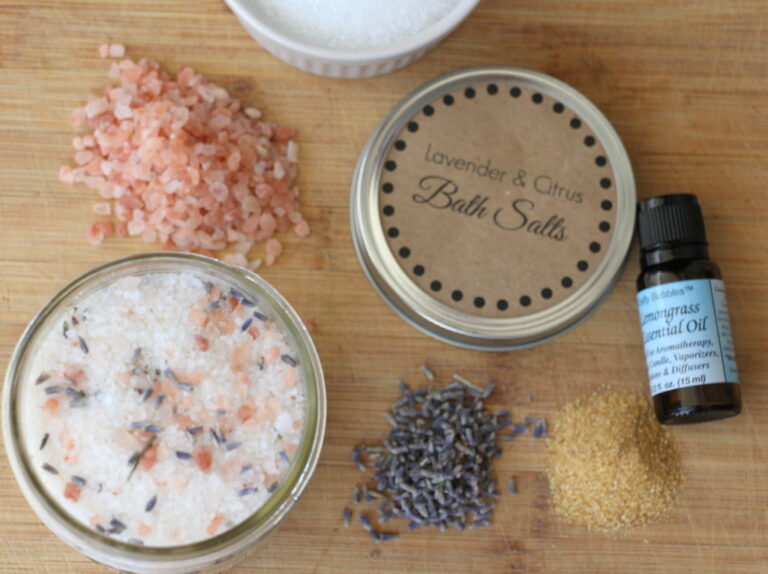
A warm soak with Epsom salt is one of the oldest and simplest rituals in home detox routines, used to unwind sore muscles and settle in for sleep. Members can see what the "detox bath" claims are based on, what the research actually shows, and who should skip it.