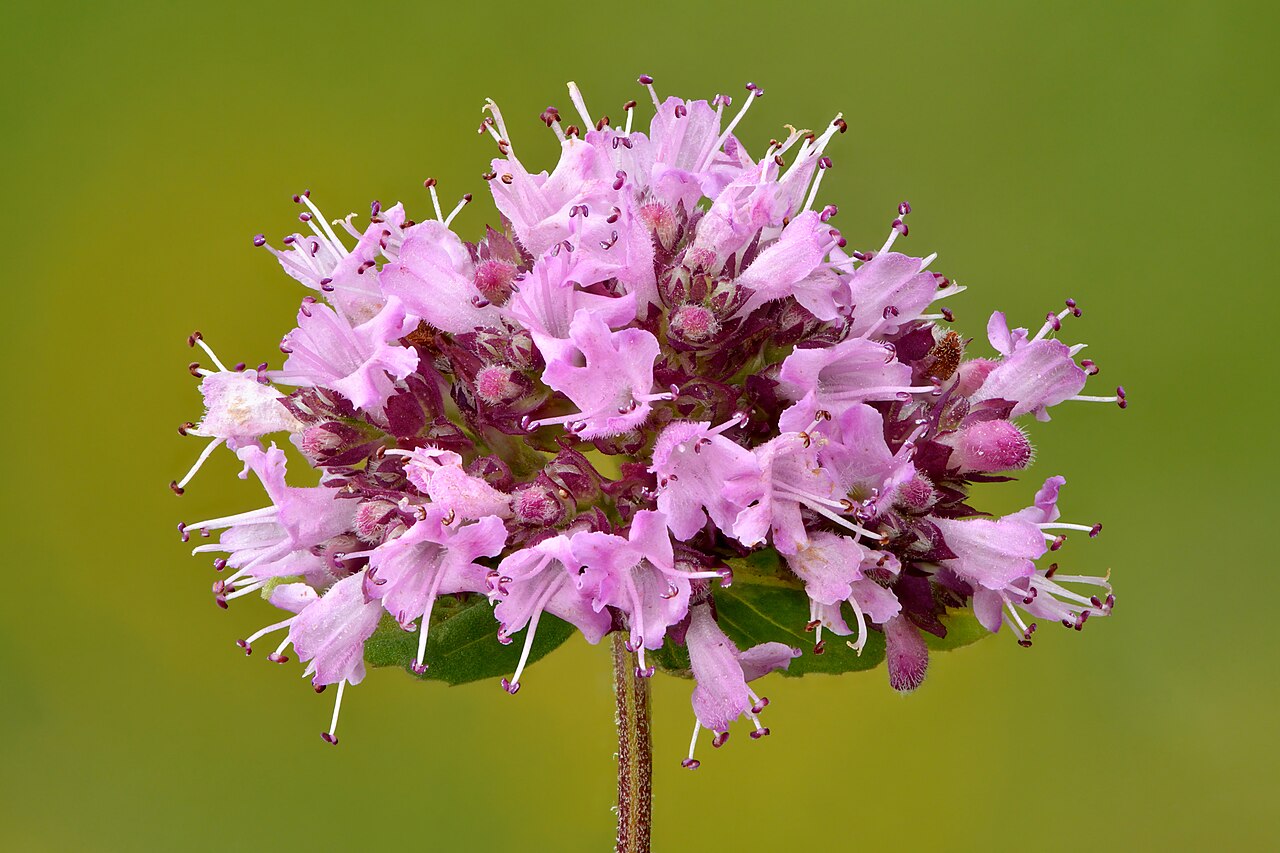
Long before it was a pizza herb, oregano was one of the most-used medicinal plants of ancient Greece, written up in more than sixty Hippocratic texts. Here’s the herb’s story, what people still brew it for, and how the gentle leaf differs from the strong oil.
Similar Posts
Goldenseal
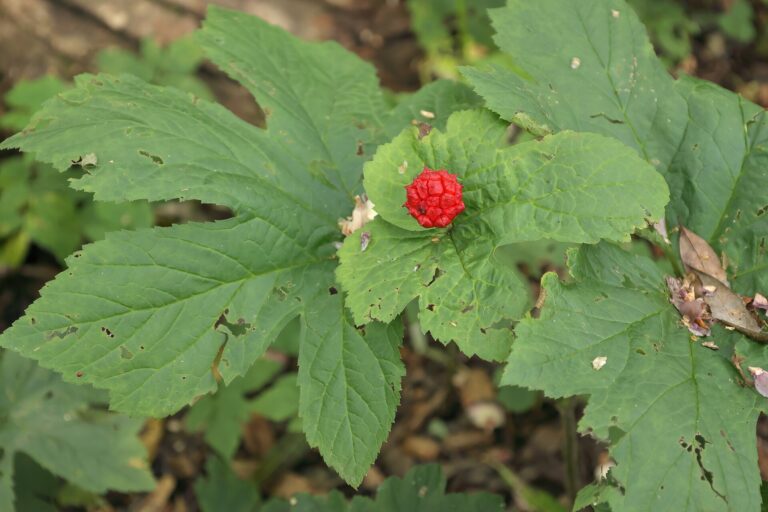
A small woodland plant of eastern North America with a bright-yellow root, used by Cherokee, Iroquois and other Indigenous nations for sore eyes, wounds and as a yellow dye. It became one of the best-known remedies of 19th-century herbal medicine, and is now so heavily harvested that it's a protected, at-risk species, so where it comes from matters.
Zinc
Zinc is a trace mineral your body uses in hundreds of enzymes, from immune cells to skin repair. Here's how traditional medicine and naturopaths use it, what the research shows, and why more isn't better.
Marshmallow Root
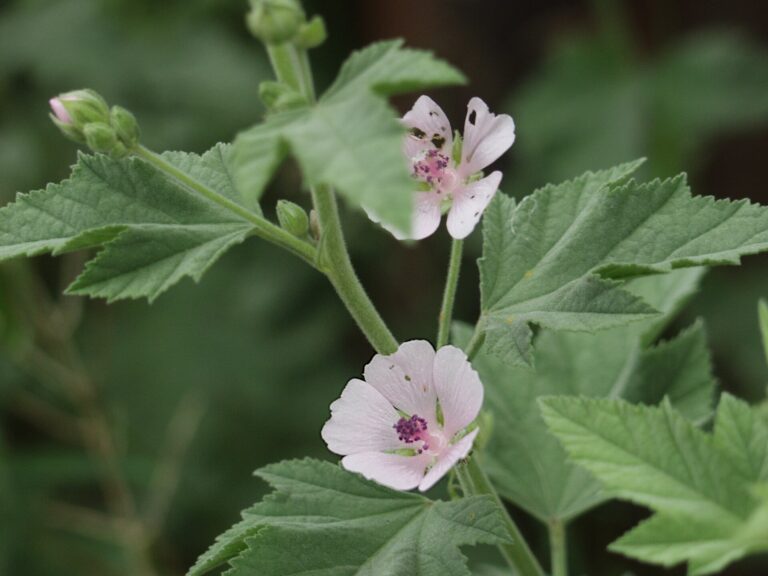
Marshmallow root (the plant, not the candy) is a soft root that turns slippery in water. Herbalists have used it for over 2,000 years to soothe the throat and an irritated gut. Members can read what the research really shows, the typical amounts in the European monograph, and the medicine-timing point to know first.
Quercetin
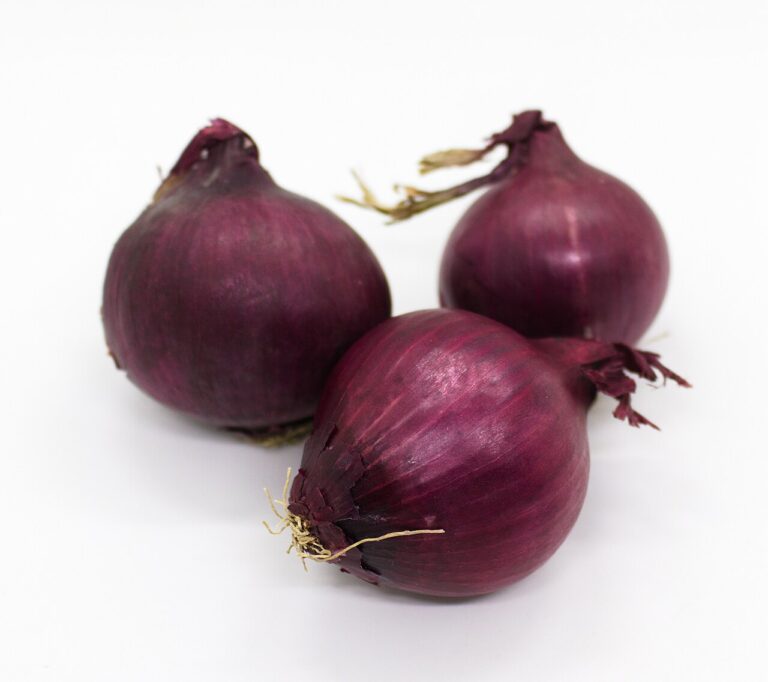
Quercetin is the most common flavonoid in the human diet, the yellow pigment behind onion skins and apple peels. Here's how naturopaths use it, the traditional herbs that are rich in it, and what the research shows.
Horsetail
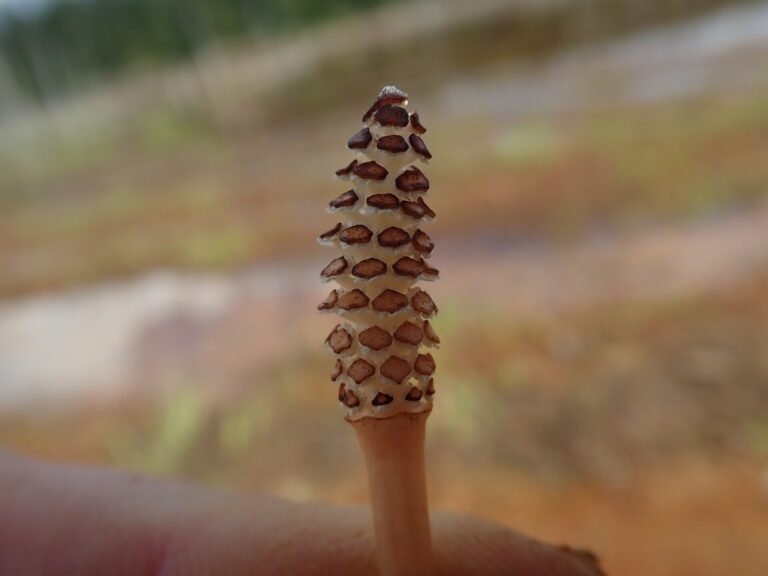
An ancient, jointed plant that looks like a little green bottle brush, horsetail is so rich in silica that people once used it to scrub pots and sand canoes. Here's what tradition and research say about it, and why it should be used carefully.
Kutaja (Safety Profile)
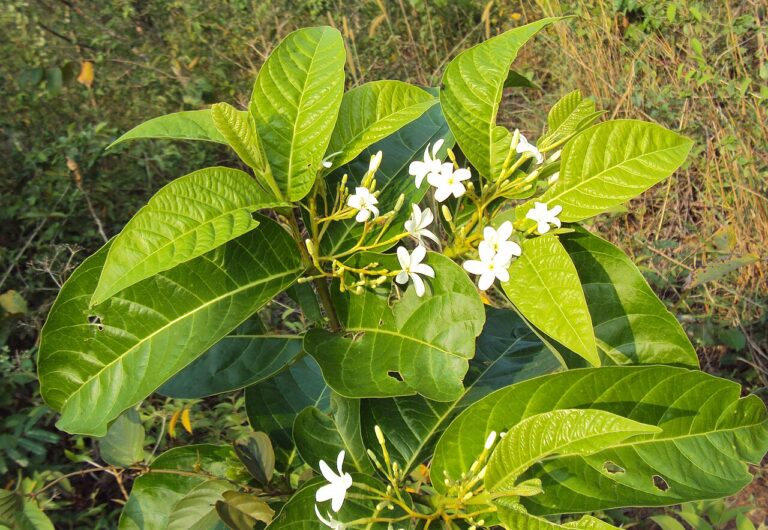
Kutaja bark is Ayurveda's best-known herb for loose stools and dysentery, and it was once sold in Western pharmacies as "conessi". This profile covers the tradition, why its strong alkaloids make it a practitioner-only herb, and gentler options to try first.