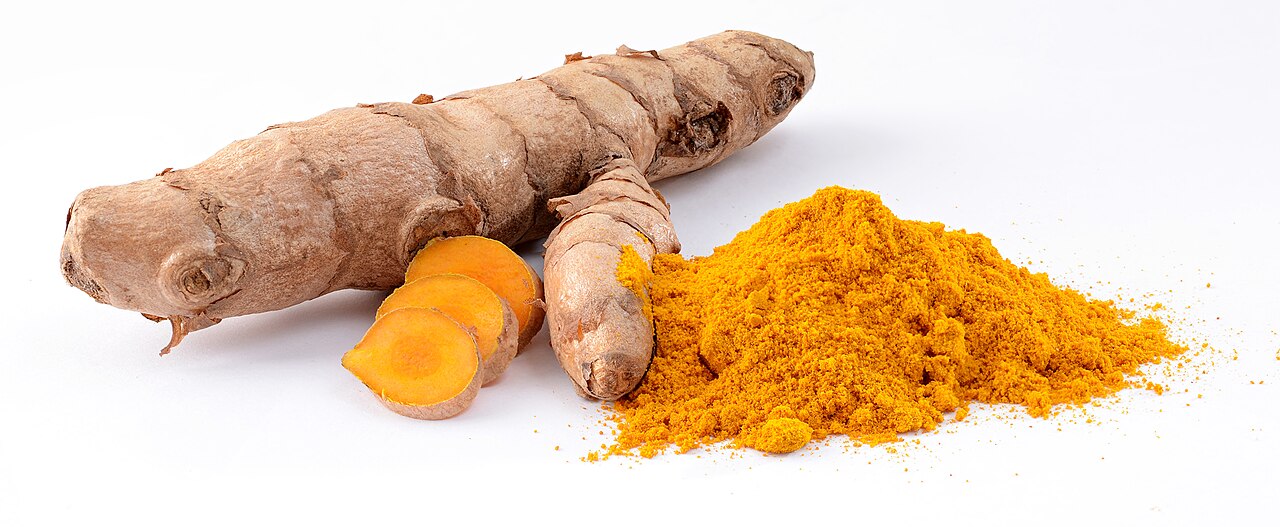
Turmeric is the golden root behind curry, wedding rituals and centuries of Ayurvedic and Chinese herbal practice. Here’s how each tradition uses it, what modern studies on joints and digestion actually found, and why the strongest “high-absorption” capsules need more caution than the spice.
Similar Posts
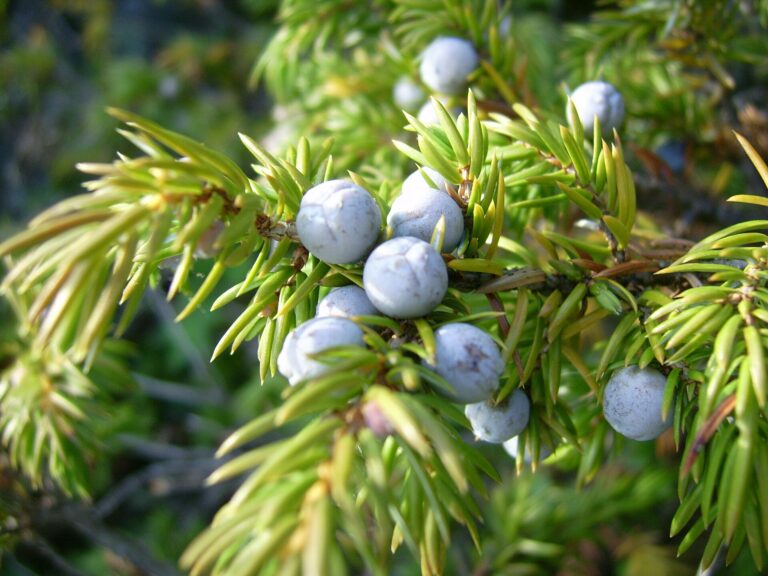
Juniper Berry
The berry that flavours gin has a long second life as a European and North American folk herb for the bladder and the belly. This profile covers how traditions use it, why the evidence is thin, and the clear limits on how long and for whom it's used.
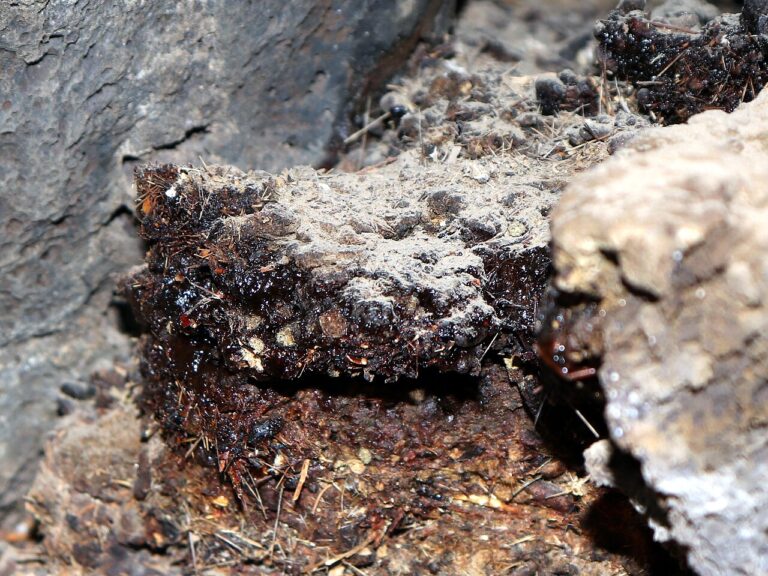
Shilajit
A dark mountain resin that Ayurveda has treated as a prized rejuvenating tonic for centuries, now sold worldwide for energy and men's vitality, and one of the supplements most likely to be contaminated.
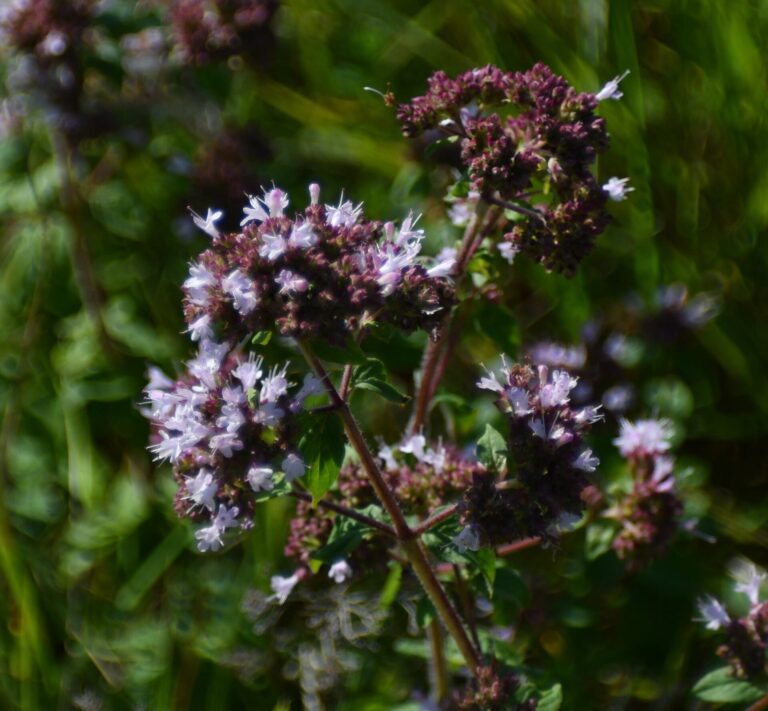
Oregano Oil
Oil of oregano is a strong-tasting herbal oil that many people add to parasite and gut & candida cleanses. Here's what the (small) research shows, the forms people use, and why it needs more care than the oregano in your kitchen.
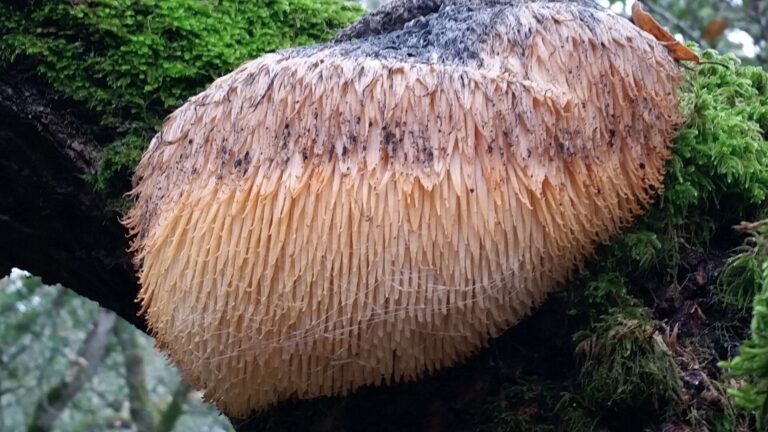
Lion’s Mane Mushroom
Lion's mane is the shaggy white "monkey head" mushroom of Chinese and Japanese tradition, eaten as a delicacy and used for centuries to support the stomach and, more recently, memory and mood. Here's what tradition says, what the early research shows, and who should be careful with it.
Flaxseed
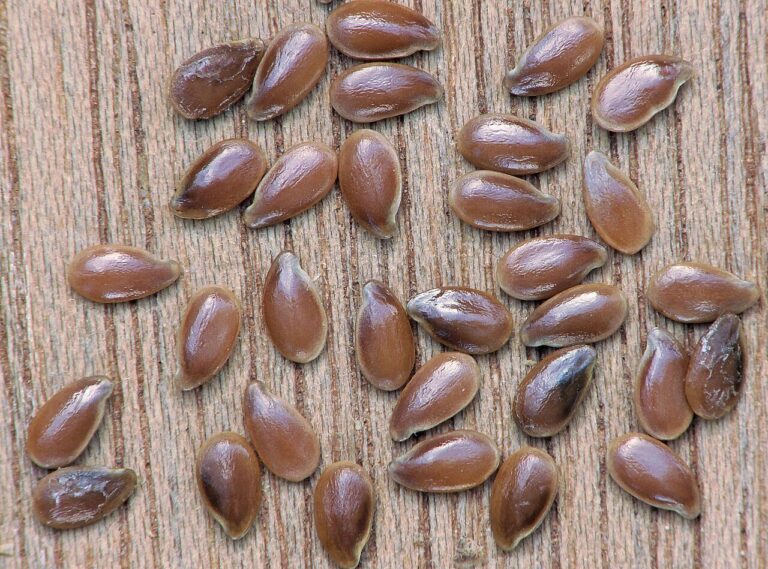
The small brown or golden seed behind linseed tea, old-fashioned linseed poultices and today's breakfast sprinkle. Flax has been a food, fibre and folk remedy for thousands of years and is now one of the better-studied seeds for the bowels and blood pressure.
Turkey Tail Mushroom
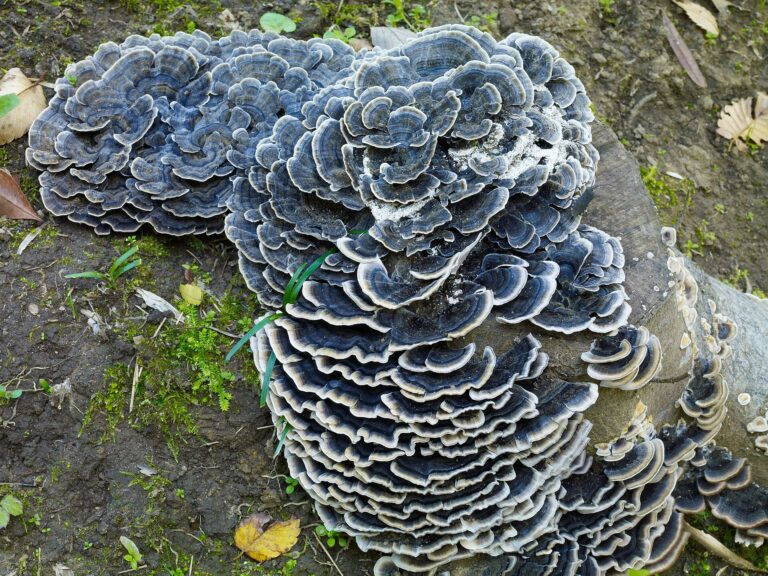
A striped, fan-shaped mushroom that grows on fallen logs across North America, Europe and Asia, turkey tail is one of the most studied medicinal mushrooms in the world. It has a long history in Chinese and Japanese medicine as an immune tonic, and its extracts are used in hospitals in Japan and China.