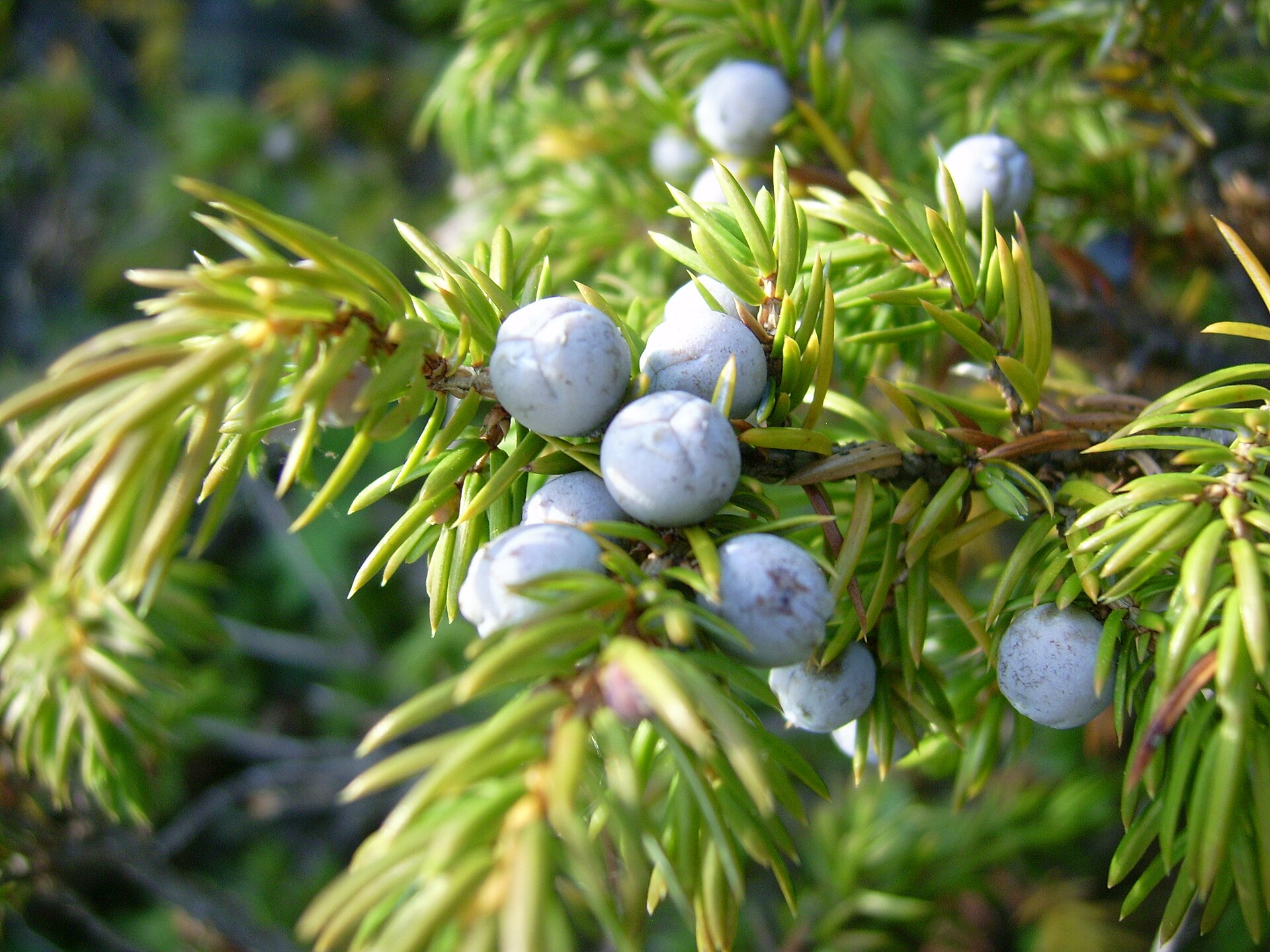
The berry that flavours gin has a long second life as a European and North American folk herb for the bladder and the belly. This profile covers how traditions use it, why the evidence is thin, and the clear limits on how long and for whom it’s used.
Similar Posts
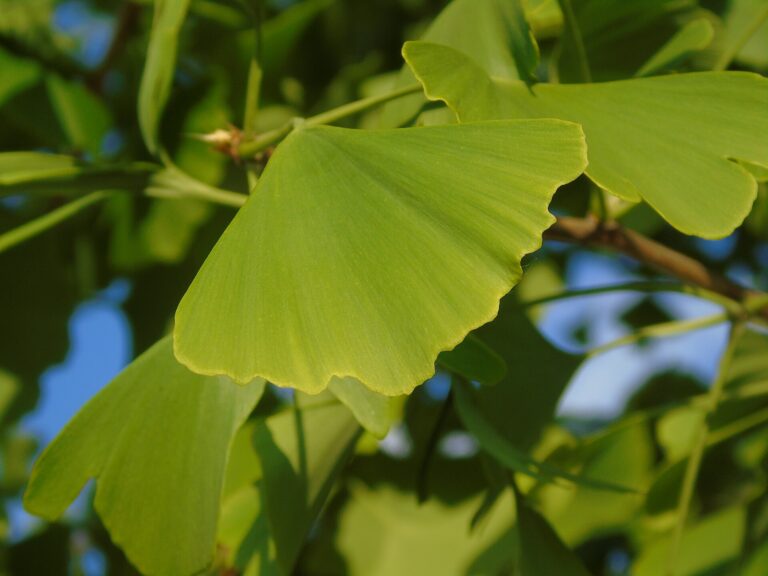
Ginkgo
One of the oldest tree species on earth, long planted beside Buddhist temples in China and now grown on city streets across Canada. Its fan-shaped leaves became one of Europe's best-known herbal medicines for memory and circulation.
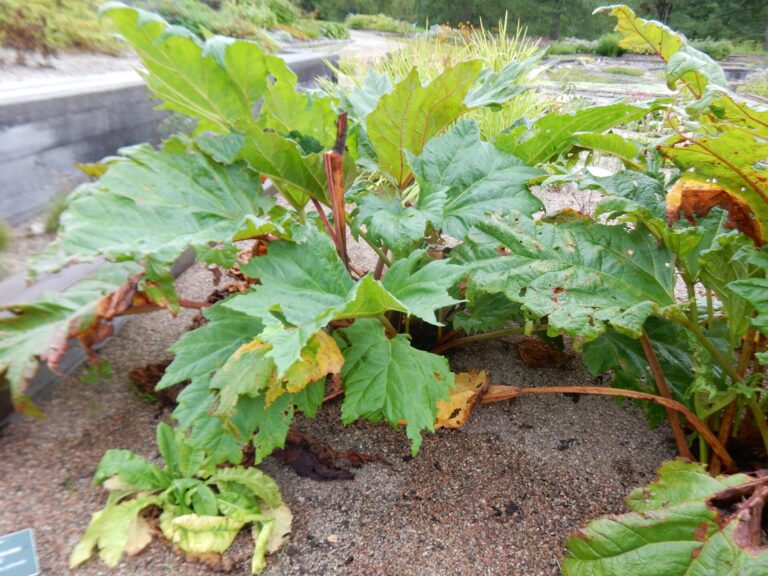
Rhubarb Root
Chinese rhubarb root is a strong stimulant laxative herb with a 2,000-year history in Chinese medicine. Europe's herbal regulators allow it only for short-term use, and it isn't for everyone; here's what members need to know before trying it.
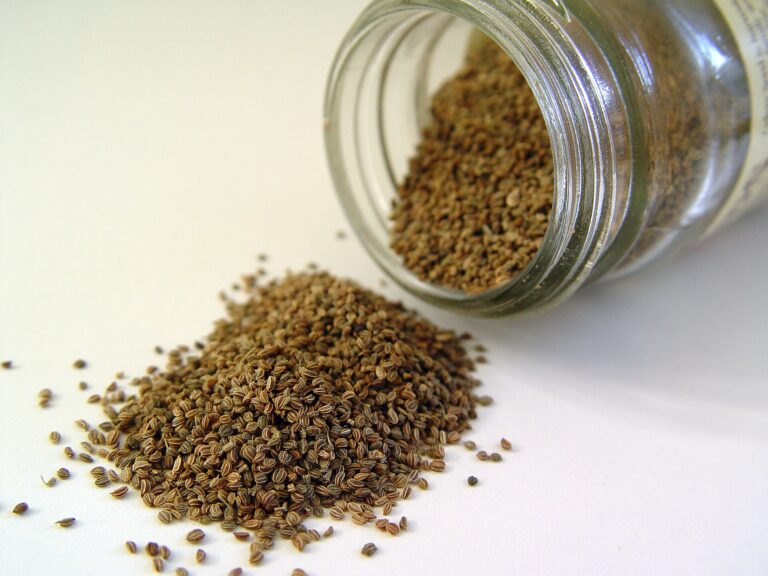
Celery Seed
The tiny seeds of the celery plant were an old European and Middle Eastern remedy for gout, sore joints and sluggish kidneys, and a celery seed extract has now had a small blood-pressure trial. This profile covers what's known, and why celery allergy and pregnancy are the big cautions.
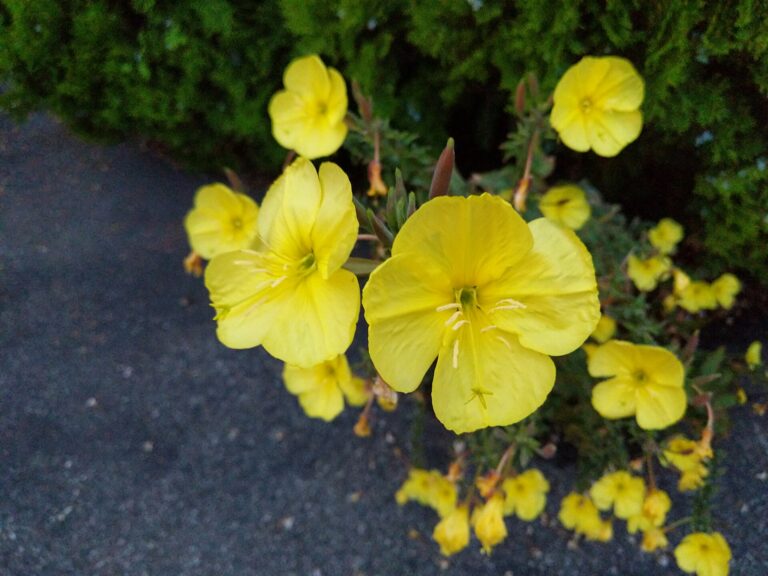
Evening Primrose
Evening primrose is a tall North American wildflower whose yellow blooms open at dusk. Indigenous peoples ate its roots and greens and used it on bruises and sore skin, and today its seed oil is one of the best-known "women's" and skin supplements.
Diarrhea: natural options
A bout of diarrhea usually passes within a week, and the most important remedy is the simplest: fluids and salts. This entry sorts rehydration drinks, bland foods, tannin teas, fibre, zinc and probiotics by how well they're backed, and lists the signs that mean see a doctor.
Colloidal Silver
Colloidal silver is one of the most talked-about "natural antibiotics" online. Before you buy it, read why health regulators in Canada and the US warn against taking it, and what silver's real history in medicine looks like.