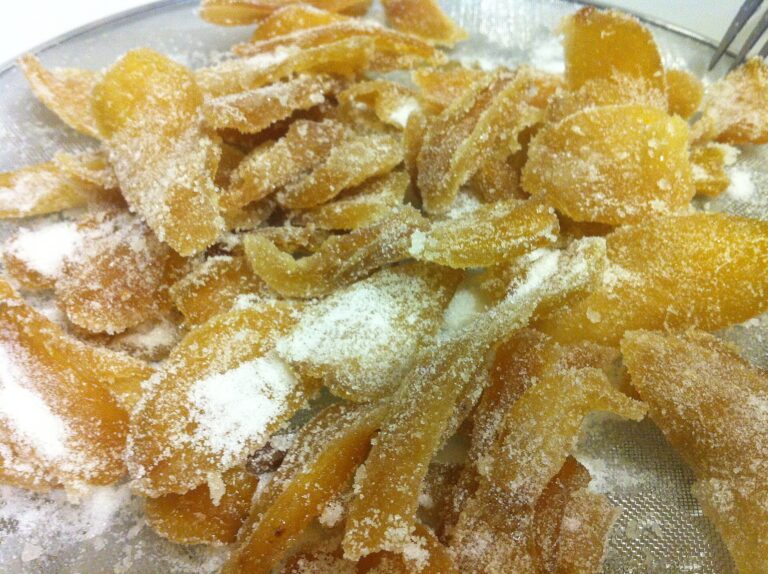
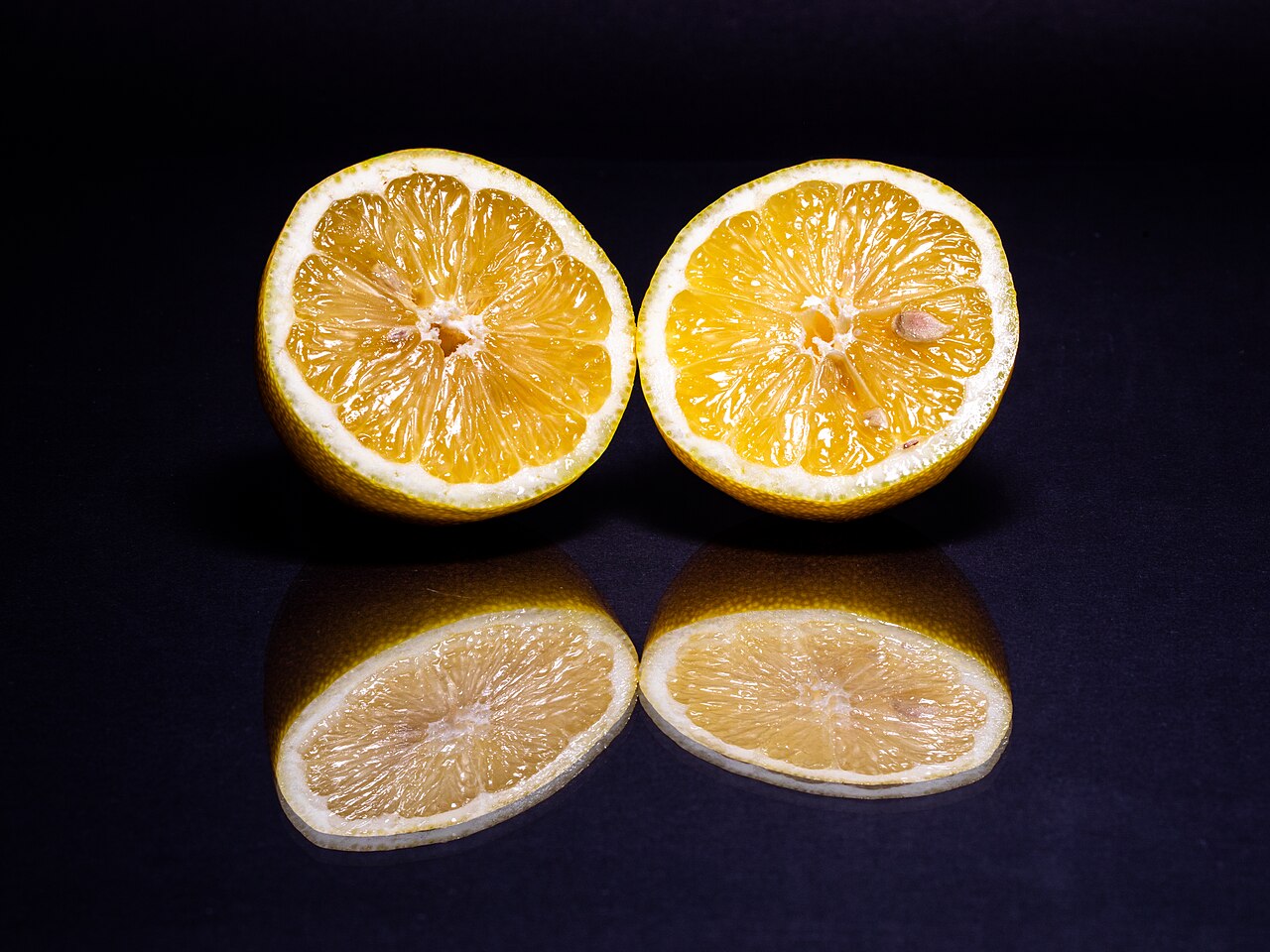
A take on the morning tonic: not a full detox, just a warm, bright cup to wake up digestion and get fluid moving before the day starts. Here’s how to make it and why people keep it in their routine.
Similar Posts
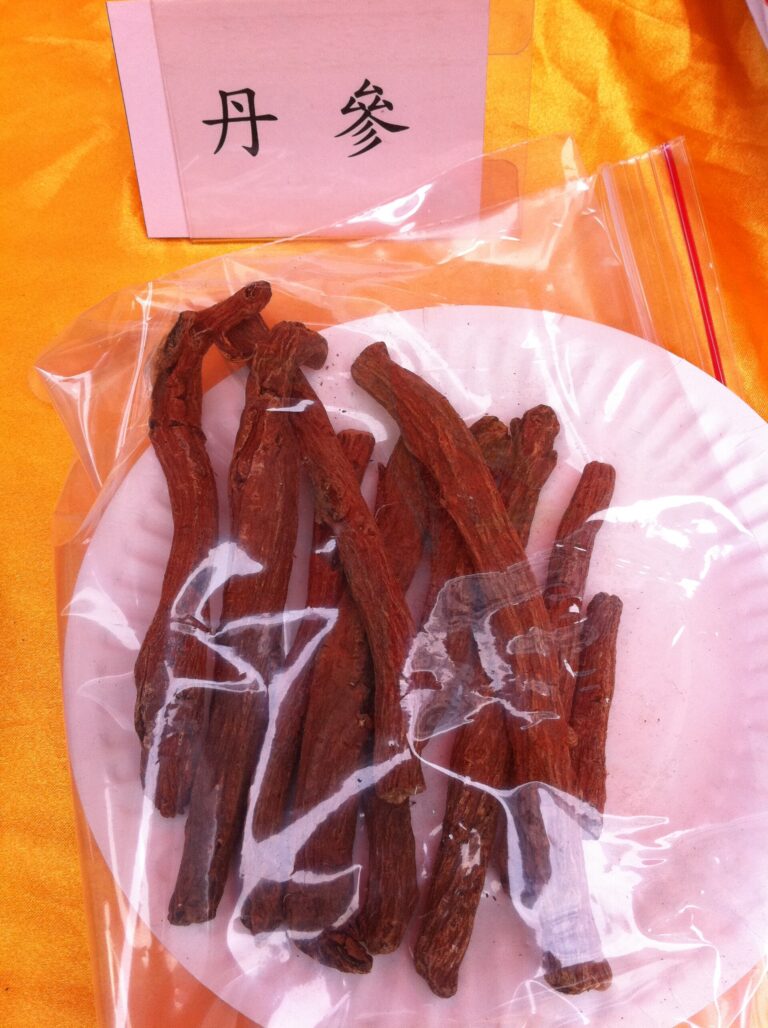
Danshen (Safety Profile)
Danshen, the red root of a Chinese sage, is one of the most-used herbs in Chinese medicine for the heart and circulation. It also thins the blood, which makes it one of the riskiest herbs to mix with warfarin and other blood thinners.
Nausea: natural options
Ginger, wrist acupressure, a sniff of an alcohol swab, cold sips and dry crackers: some nausea remedies have real trials behind them and others are mostly tradition. This entry sorts them by evidence and lists the signs that mean nausea needs a doctor, not a cup of tea.
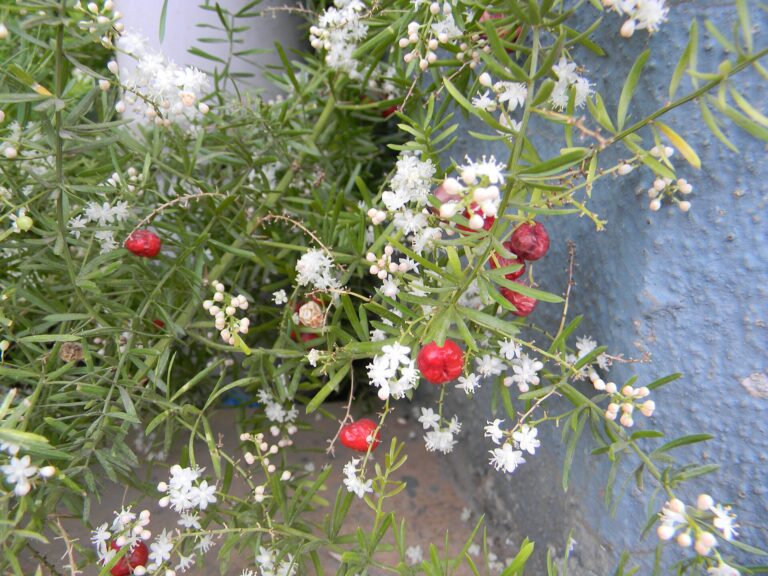
Shatavari
Shatavari is one of Ayurveda's best-known "women's tonics", a cooling, nourishing root used for centuries for breast milk, the monthly cycle and strength. Here's what tradition says, what the small studies show, and who should be careful with it.
Borage (Safety Profile)
Borage is the blue "starflower" herb whose seed oil is one of the richest plant sources of GLA, an omega-6 fat. The leaf and flower carry liver-toxic alkaloids, so the vault page explains why only tested, PA-free seed oil is worth considering.
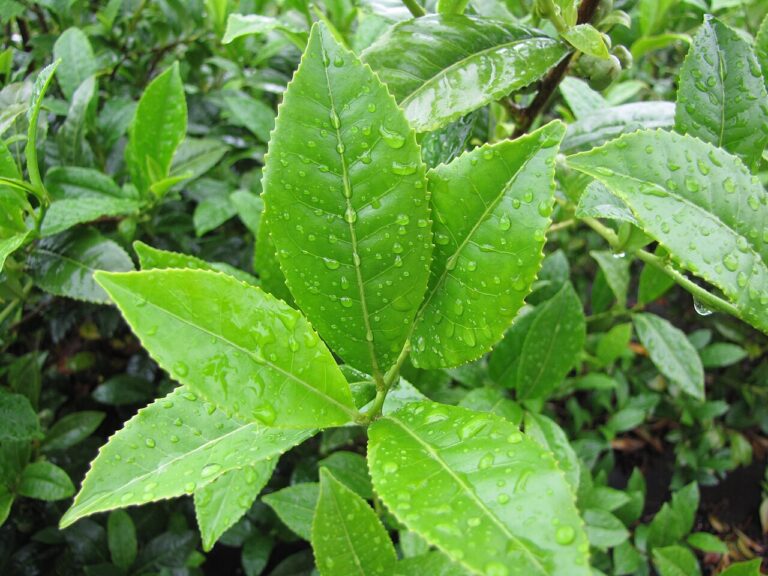
Green Tea
The tea plant was first grown in China thousands of years ago, and a Japanese monk wrote in 1211 that tea was a medicine for long life. Today green tea is one of the world's most-loved daily drinks, and its leaf and extracts are some of the most-studied plant compounds there are.
Magnesium
In 1618 an English farmer found that cattle on Epsom Common wouldn't drink from a bitter pool. The salt left behind became one of the best-known home remedies of the next 350 years. Here's how people use magnesium today for sleep, muscles, headaches and regularity, what the studies found, and the safety limits that matter.