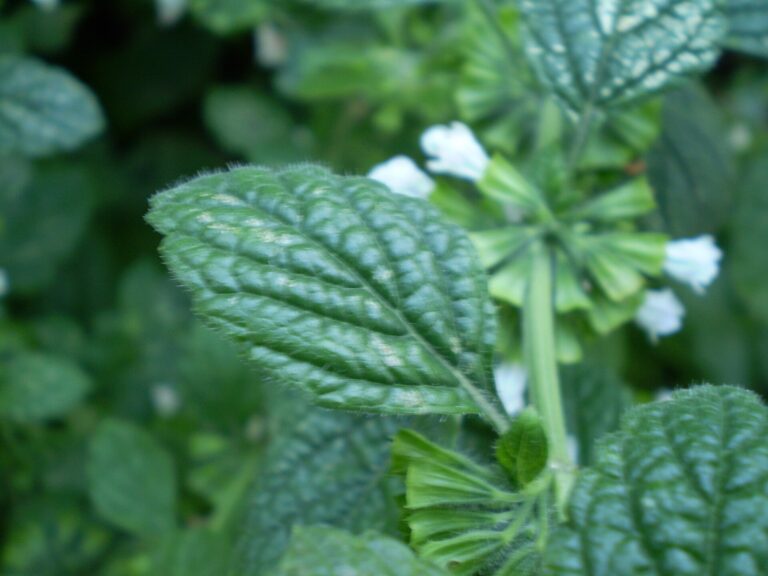
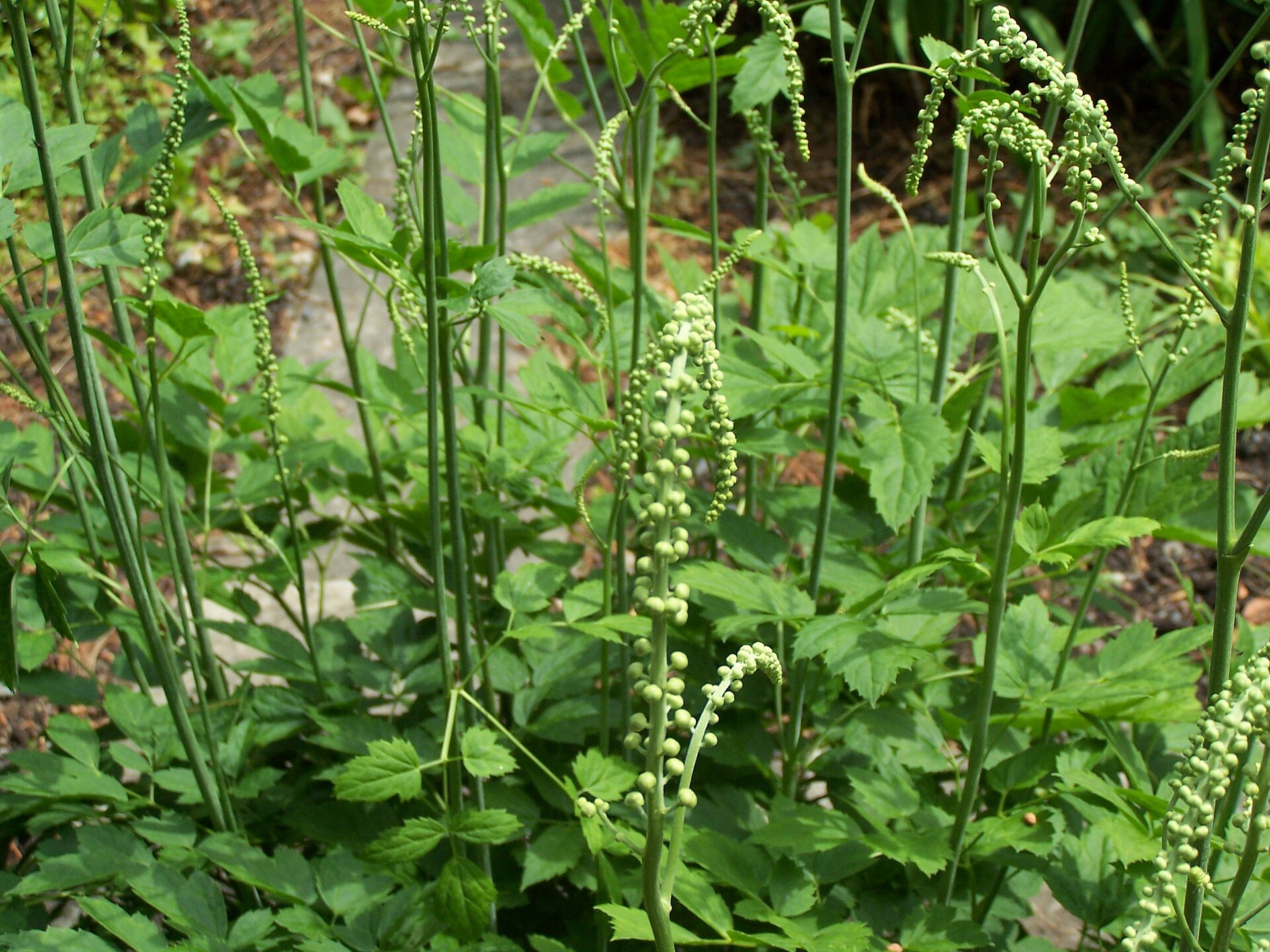
A tall woodland plant with white flower spikes, used by Indigenous peoples of eastern North America and by 19th-century Eclectic doctors, and now one of the best-known herbs for hot flushes. Here’s what the tradition used it for, what the menopause studies really show, the EU amounts, and why its rare liver warning matters.
Similar Posts
Peppermint
Peppermint has settled stomachs and freshened breath since ancient Egypt, and today it's one of the few herbs with solid research behind it, especially for an irritable gut. Here's how tradition uses the leaf and the oil, what the studies show, and who should skip it.
Sea Moss (Irish Moss)
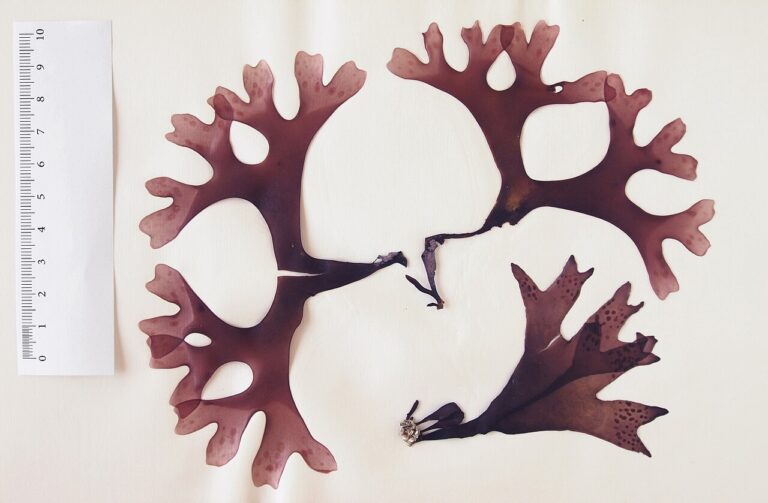
A red seaweed from rocky North Atlantic shores that Irish families boiled into a soothing drink for coughs and colds, and that Caribbean kitchens turned into a thick, spiced milk drink for strength. Today it's a popular gel and gummy sold as a mineral-rich "superfood".
Folate (Vitamin B9)
Folate is the B vitamin your body uses to build every new cell, and the one with the strongest "take it before you need it" message in all of nutrition. Here's who needs a supplement, the real story on folic acid vs. methylfolate and MTHFR, and why more isn't better.
Pumpkin Seed
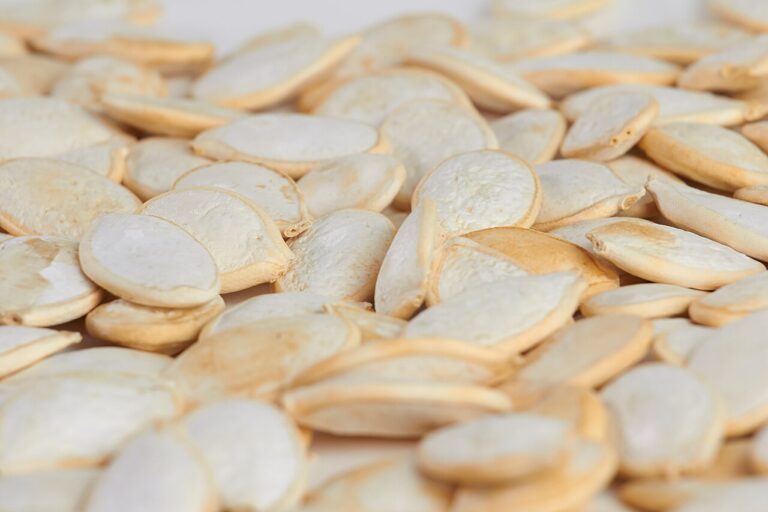
Pumpkin seed is one of the few everyday foods with an official European herbal monograph, for men's night-time bathroom trips and an overactive bladder. Members get the full profile: every traditional use, the large prostate trial and what it really showed, the official amounts, and who should check first.
Ginger
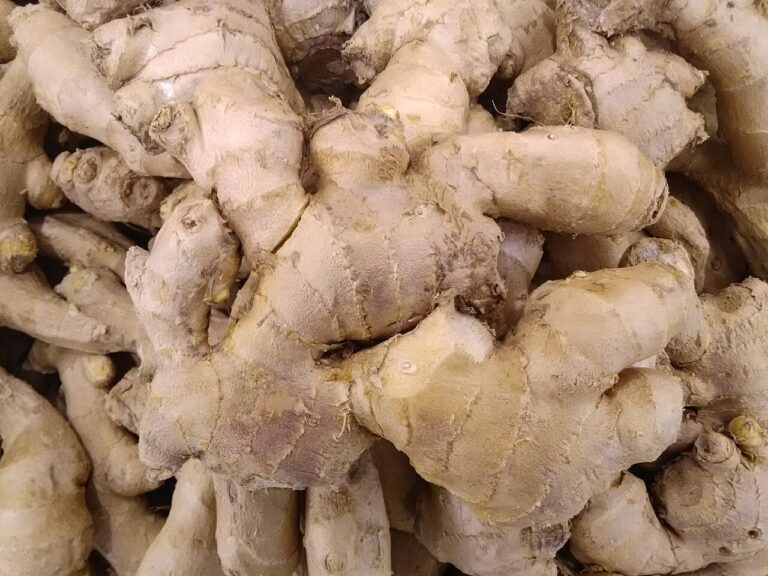
Ayurveda calls dried ginger "the great medicine" and Chinese medicine calls fresh ginger its most important herb for nausea. Here's how each tradition uses it, what the trials found for nausea, period pain and sore joints, and which medicines to check before taking it as a supplement.
Olive Leaf
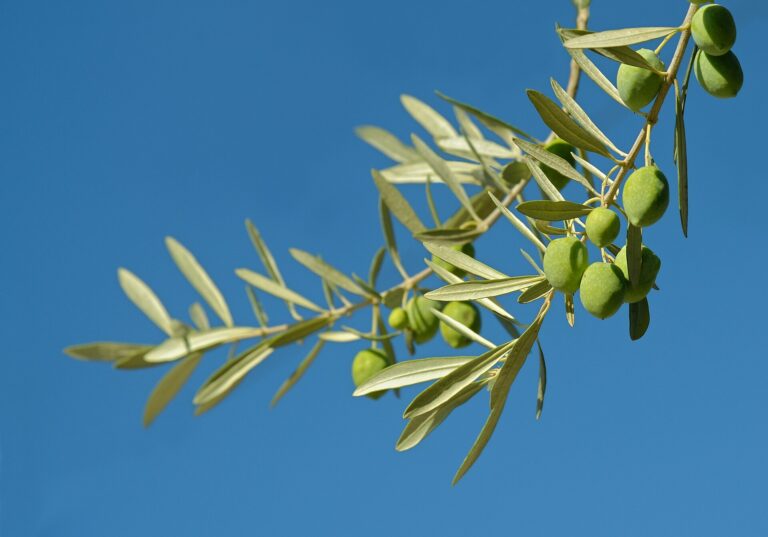
The silver-green leaves of the olive tree, one of the oldest cultivated trees on earth, have been brewed into a bitter tea around the Mediterranean for centuries. Here's what tradition and research say about them, and who should be careful.