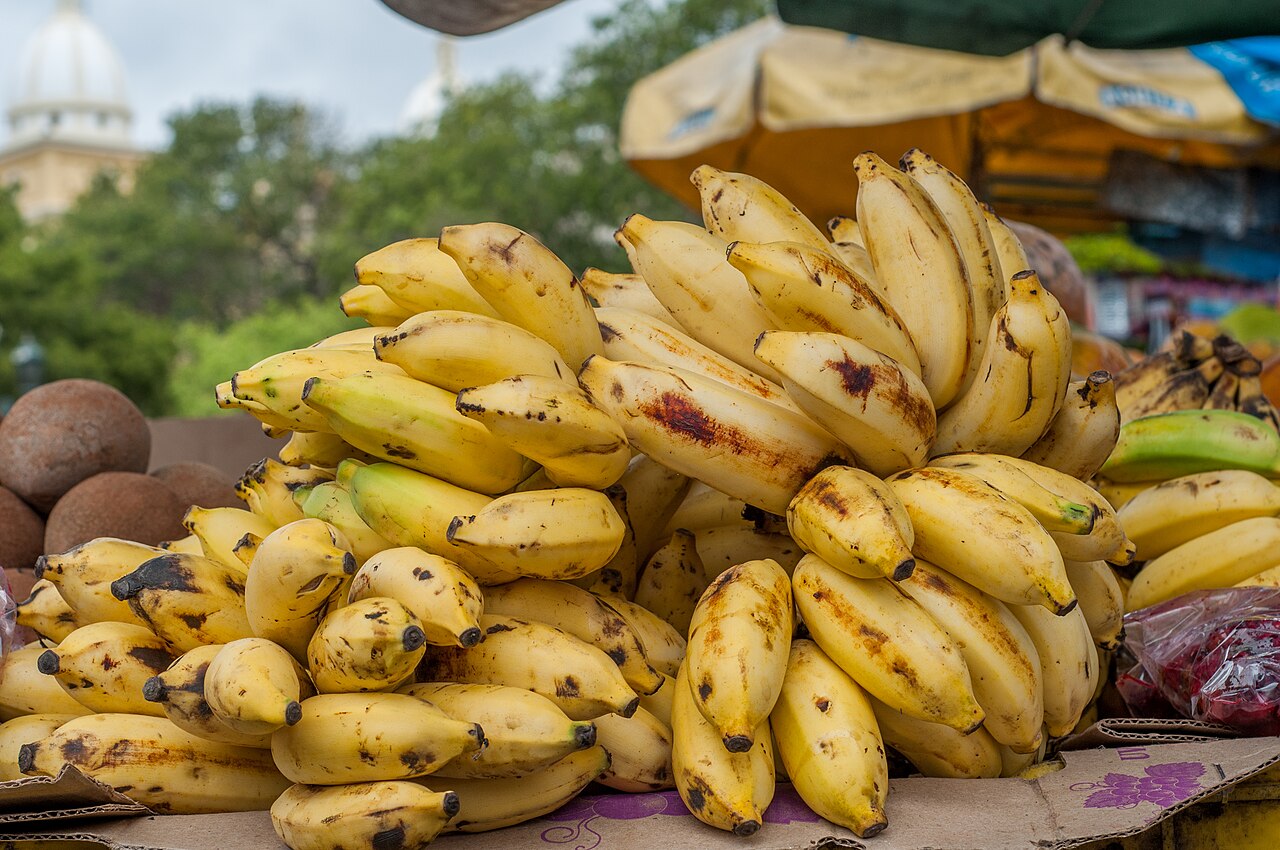
Potassium is the mineral most of us eat too little of — and the one behind the electrolyte drinks, powders and salt substitutes on every shelf. Here’s what it does, who runs low, the foods richest in it, and why the supplement aisle caps it at 99 mg.
Similar Posts
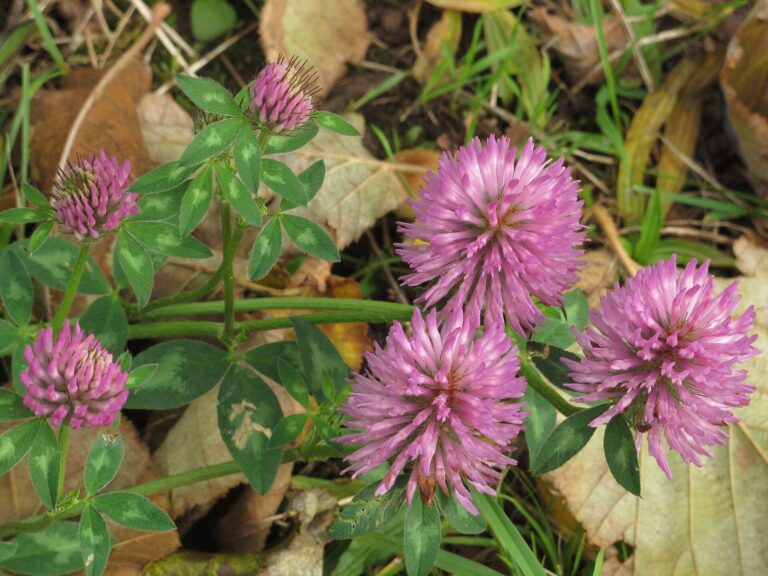
Red Clover
A pink meadow flower that herbalists have long counted among the classic "blood purifier" herbs, often sipped as a gentle tea. Members can see how people use it, what the research does and doesn't show, and why it isn't for everyone.
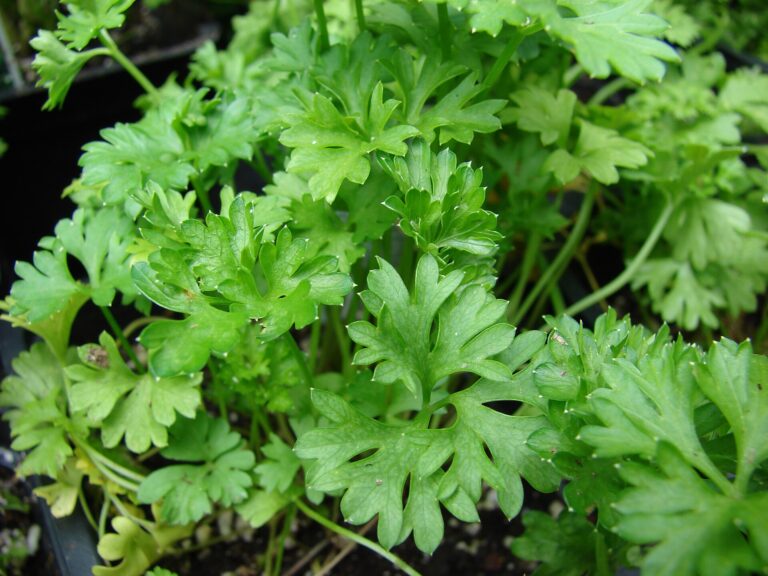
Parsley (Herbal Profile)
The garnish on your plate has a long history as a kitchen herb for the bladder and the belly. This profile covers how traditions used the leaf, root and seed, why the evidence is thin, and why the seed and its oil are a different matter from the leaf.
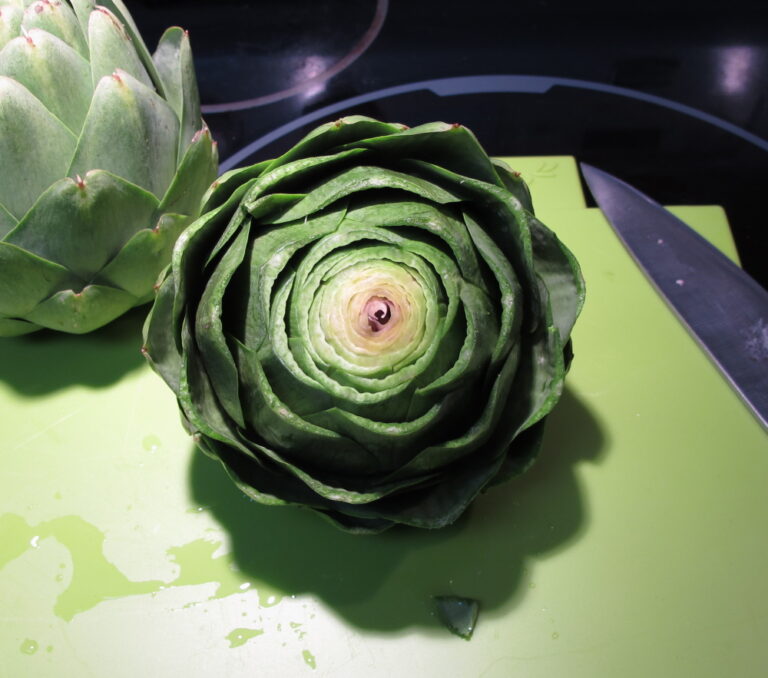
Artichoke Leaf
Artichoke leaf is the bitter green leaf of the globe artichoke, a European digestive herb that people use to support bile flow and the liver. Members get the full entry: what the human studies show, typical amounts from the official European monograph, and who should skip it (especially anyone with gallstones).
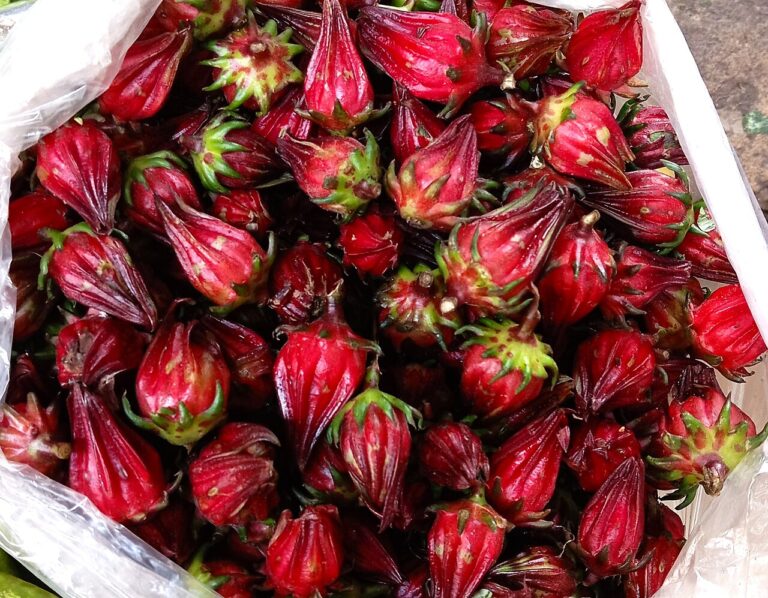
Hibiscus
Tart, ruby-red hibiscus tea is drunk hot or iced from Egypt to Mexico and is one of the most-studied herbal teas for heart wellness. Here's what traditions use it for, what the trials show, how people brew it, and who should check first.
Safflower
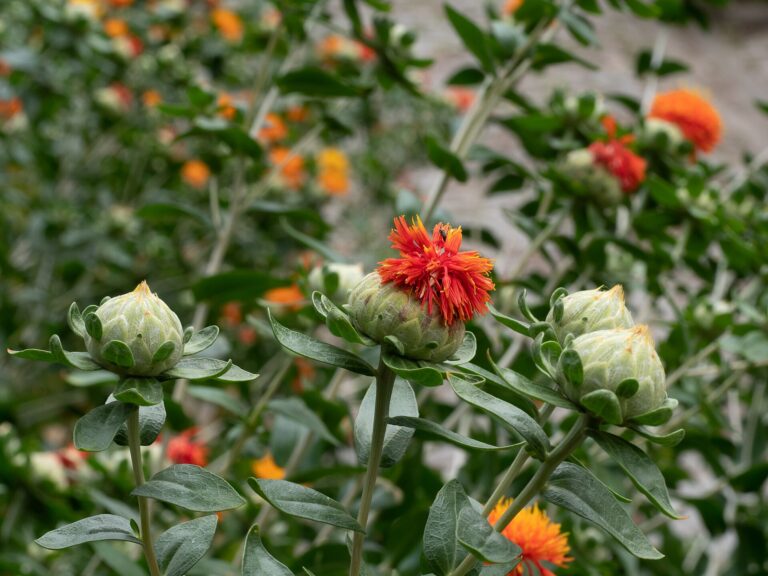
Safflower is the bright orange "false saffron" flower that's also the source of a common kitchen oil. The vault page explains why the flower and the oil are two very different products, and who should leave the flower alone.
Rhubarb Root
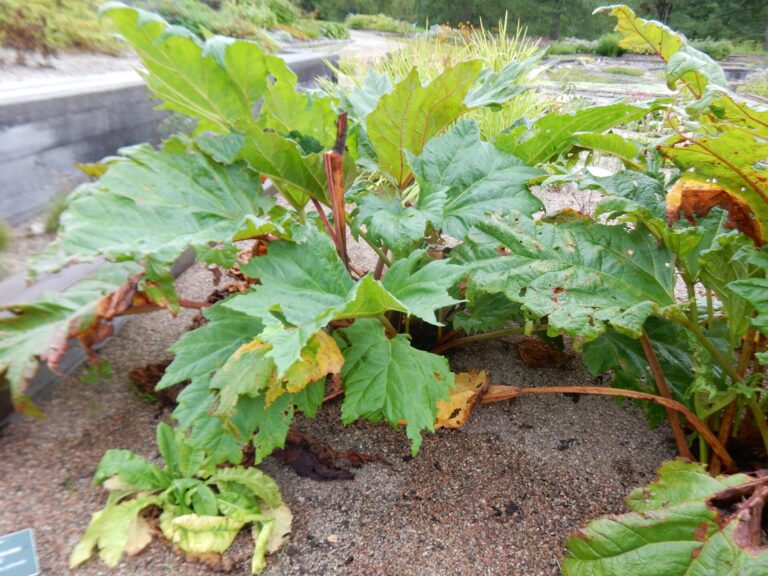
Chinese rhubarb root is a strong stimulant laxative herb with a 2,000-year history in Chinese medicine. Europe's herbal regulators allow it only for short-term use, and it isn't for everyone; here's what members need to know before trying it.