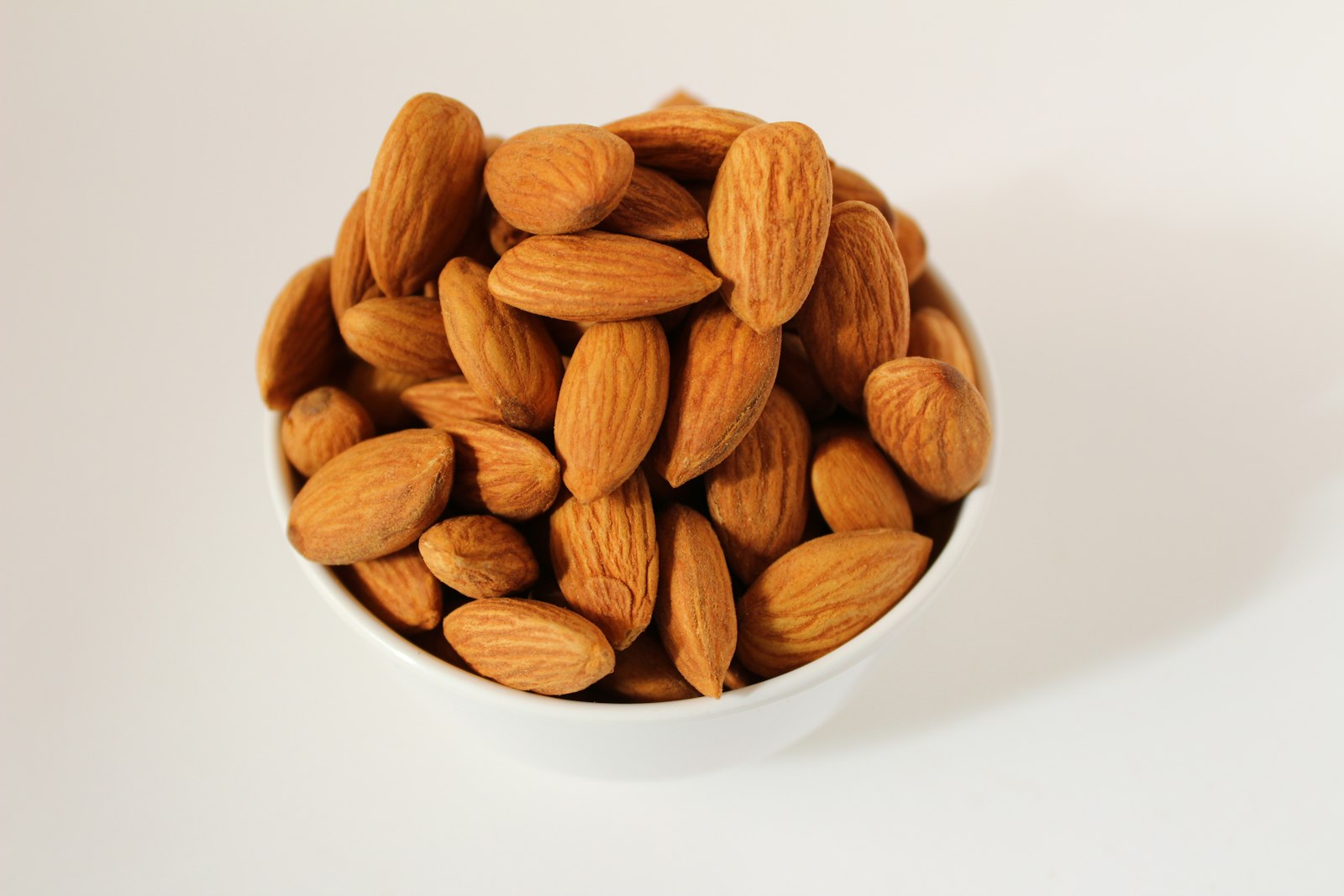
Magnesium is involved in hundreds of processes in the body, from muscle and nerve function to blood sugar and bone. Many people don’t get enough from food. But the shelf is confusing: citrate, glycinate, oxide, malate, threonate… Here’s a plain guide to what the forms are, what people use them for, and how much is sensible.
Quick take
- Food comes first: nuts, seeds, leafy greens, beans and whole grains.
- The form matters. Some are gentle on the gut; others work as a laxative.
- Supplements have an upper limit, so read the label and ask your pharmacist if you take medicine.
Start with food
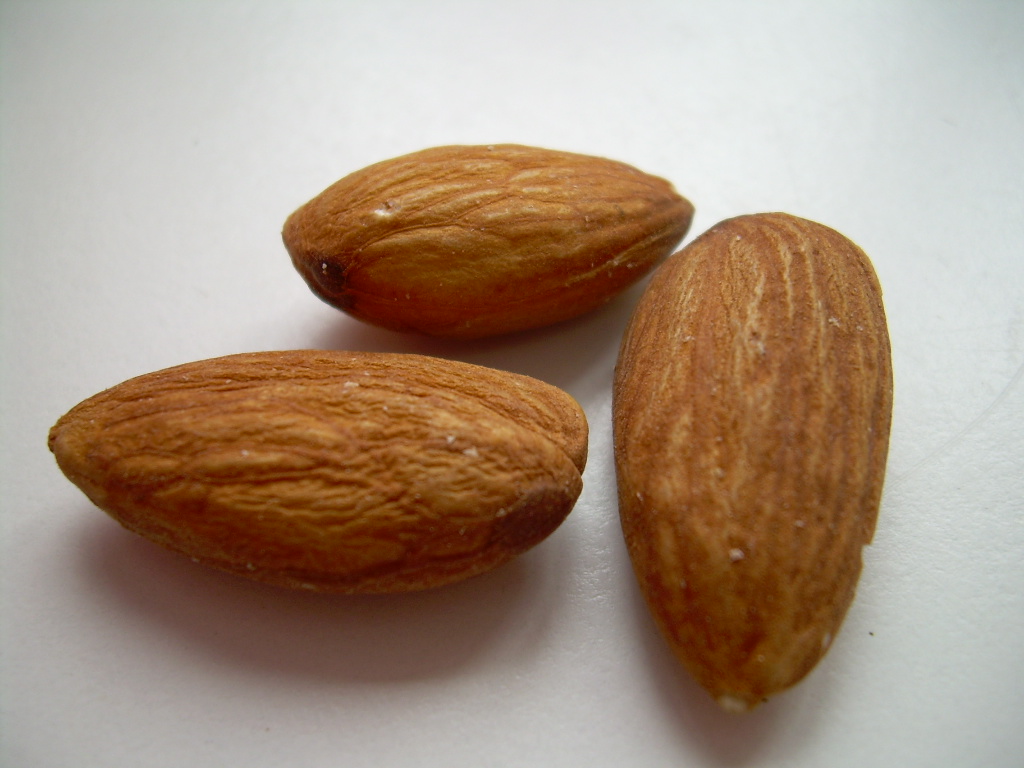
Food is the safest way to get magnesium, and there’s no upper limit on magnesium from food. Good sources:
- Pumpkin seeds (about 150 mg in a small handful, 30 g)
- Chia seeds, almonds and cashews
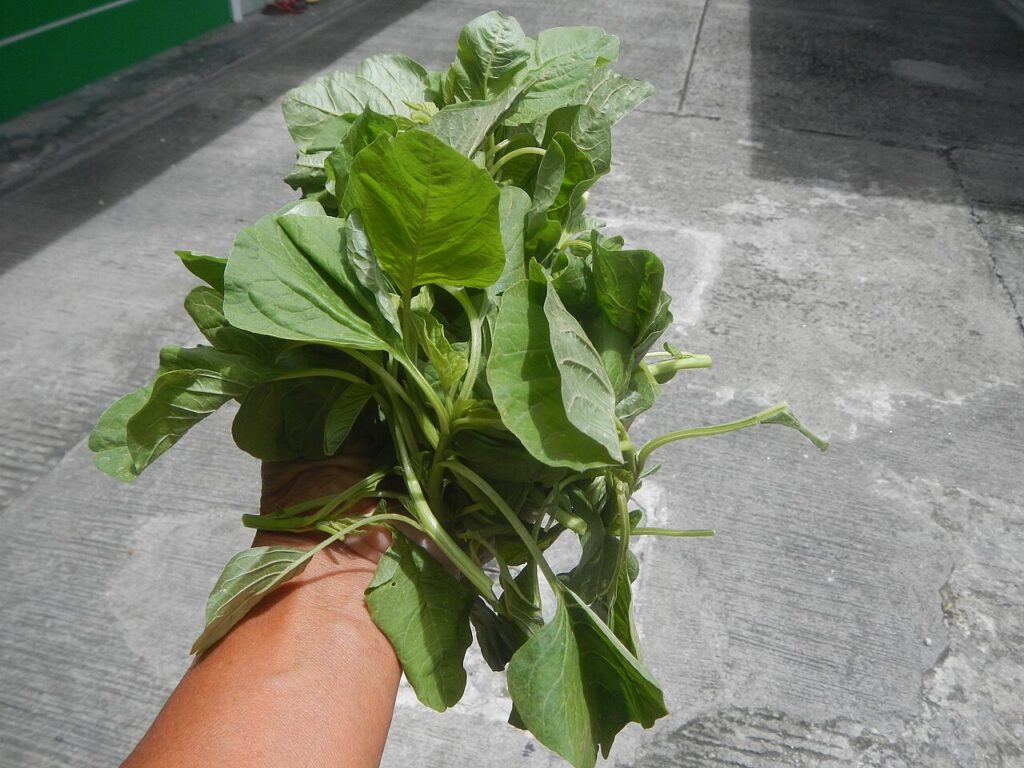
- Spinach and Swiss chard (cooked)
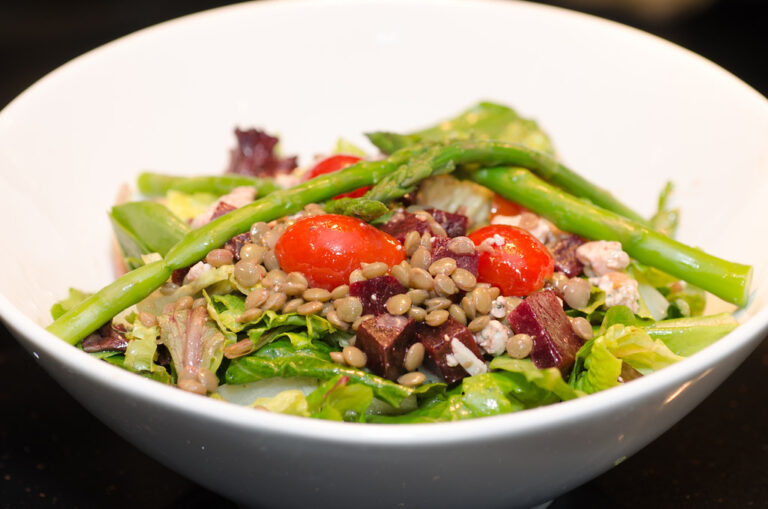
- Black beans, edamame and lentils
- Oats, brown rice and whole-wheat bread
- Dark chocolate (70% or more), in moderation
How much do adults need?
| Daily target from food and supplements | |
|---|---|
| Women 19–30 / 31+ | 310 mg / 320 mg |
| Men 19–30 / 31+ | 400 mg / 420 mg |
| Upper limit from supplements only | 350 mg a day |
The 350 mg limit is for supplements, not food. Going over it often causes loose stools, and much higher amounts can be dangerous for people with kidney problems. Check with your doctor or pharmacist before you start a supplement, especially if you take medication or have a health condition.
The best magnesium is the one that matches your reason for taking it.
The common forms, compared
| Form | What people use it for | Worth knowing |
|---|---|---|
| Glycinate (bisglycinate) | General top-up, evening use | Usually gentle on the stomach. A common first pick. |
| Citrate | General top-up; occasional constipation | Well absorbed. Has a mild laxative effect at higher amounts. |
| Oxide | Constipation, heartburn (antacid) | Cheap but poorly absorbed, so it acts mostly in the gut. |
| Malate | General top-up | Well tolerated. Claims about energy and muscle pain have little research behind them. |
| Chloride | General top-up; also in lotions and flakes | Well absorbed by mouth. Evidence that it’s absorbed through skin is weak. |
| L-threonate | Brain and sleep claims | Most of the research is in animals so far. Pricey. |
| Sulfate (Epsom salt) | Baths | Nice for a relaxing soak; there’s little proof it raises magnesium through the skin. |
How to choose

- Just want to top up? Glycinate or citrate, at a modest amount (for example 100–200 mg), with food.
- Sensitive stomach? Glycinate.
- Occasional constipation? Citrate or oxide, short term. Constipation that lasts is worth a doctor’s visit.
- Check the label for elemental magnesium: that’s the number that counts, not the weight of the whole compound.
Check first if…
- You have kidney disease (magnesium can build up).
- You take antibiotics (tetracyclines, quinolones) or osteoporosis medicine (bisphosphonates): take magnesium at least 2 hours apart.
- You take diuretics or acid-reducing medicine (PPIs) long term. These can change magnesium levels, so ask your doctor whether you need a blood test.
A supplement we like
If you’d like a glycinate option, Magnesium Glycinate Lysinate is one, sold by an outside company.
Sponsored link. If you buy through it, Clif may earn a commission at no extra cost to you. The claims on the seller’s page are theirs, not ours, and haven’t been checked by us. It’s not a substitute for seeing your doctor.
Try this today
Add a small handful of pumpkin seeds or almonds to one snack today.
Related
Sources
- NIH Office of Dietary Supplements: Magnesium fact sheet
- Health Canada: Dietary Reference Intakes
- MedlinePlus: magnesium in diet
Educational only, not medical advice. This information has not been evaluated by the FDA or Health Canada and is not intended to diagnose, treat, cure, or prevent any disease. Talk to your healthcare provider before starting any remedy, supplement, or detox, especially if you are pregnant, nursing, taking medication, or managing a health condition. Read our full Medical Disclaimer.