A few whole cloves. A cup of hot water. Ten quiet minutes before bed.
That’s the whole ritual, and it has quietly become one of the most-shared evening habits online. Clove water is simple, cheap and smells like the holidays. But what do people actually reach for it for, and what should you know before you make it a nightly thing?
Let’s walk through it.
Quick take
- Clove water is just whole cloves steeped in hot (or room-temperature) water. Cloves have a long traditional history for digestion, the mouth and a warming feeling.
- Most of the research is on clove oil and its main compound, eugenol, not on the drink itself, so the evidence for clove water is early and mostly from the lab.
- A few cloves in a cup is a food-level amount. Concentrated clove oil is a different thing entirely and should never be swallowed, especially by children.
Why people reach for clove water
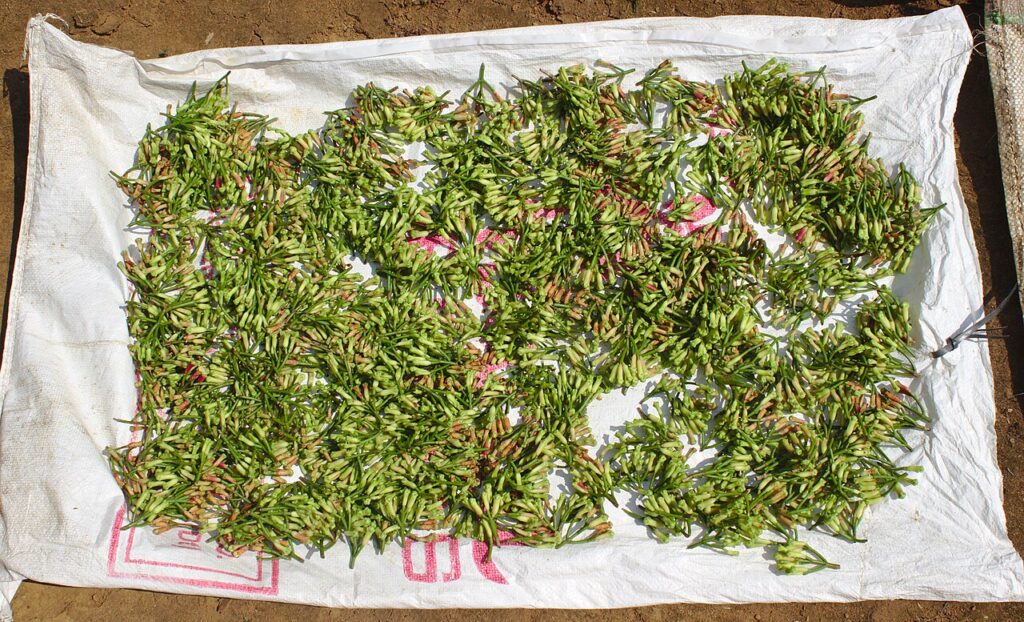
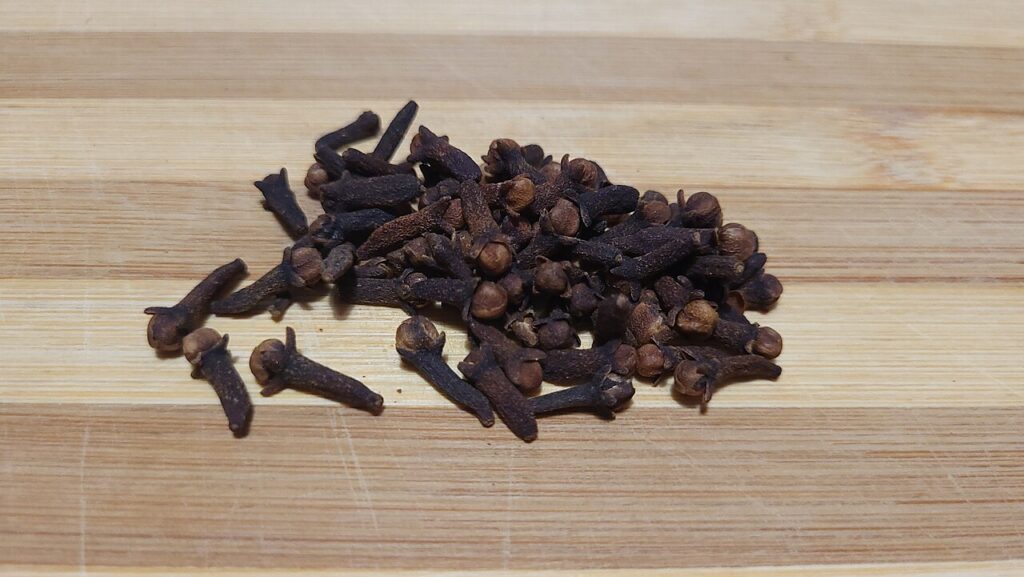
Cloves are the dried flower buds of an evergreen tree, Syzygium aromaticum, native to the Maluku Islands of Indonesia. They are picked pink, dried in the sun until they turn that familiar dark brown, and have been traded around the world for well over 2,000 years.
People usually find their way to clove water because of something that’s bothering them in the evening:
- That heavy, bloated feeling after dinner. Cloves are a classic “warming” digestive spice in Ayurveda and traditional Chinese medicine, where they’re traditionally used for gas, a cold stomach, nausea and hiccups.
- A sore tooth or tender gums while waiting to see the dentist. Clove has been a folk toothache remedy for centuries.
- Breath and mouth freshness at the end of the day.
- A caffeine-free warm drink to wind down with, instead of tea or a snack.
- Curiosity about blood sugar. Cloves come up a lot online for this, so it’s worth knowing what the research has (and hasn’t) looked at.
If bloating is the main reason you’re here, our post on bloating, gas and hiatal hernia covers the bigger picture.
What’s in a clove
The star is eugenol, the aromatic compound that gives cloves their smell and their numbing tingle on the tongue. Clove oil is mostly eugenol. Cloves are also rich in plant polyphenols, which is why they score so high on lab antioxidant tests.
Here’s what’s being studied:
The mouth and teeth
This is where cloves have the most history behind them. Eugenol has a mild numbing effect, and dentists still use eugenol-based materials in some dressings and temporary fillings. In one small study, a clove gel on the gums numbed about as well as a standard benzocaine gel before a needle prick.
In the US: the FDA treats clove as a food spice and hasn’t approved clove oil as a toothache medicine, so there’s no US standard dose. In Canada (and Europe): clove-oil toothache products are licensed by Health Canada (look for an NPN or DIN on the label), and the European (EMA) monograph lists clove oil as a traditional remedy for minor mouth and throat soreness and for temporary relief of a cavity toothache, for no more than a week and not for anyone under 18. Both agree on one thing: it’s a stopgap until you see a dentist.
Digestion
Lab and animal studies suggest clove compounds may help protect the stomach lining and ease gas, which lines up with how cloves have been used for centuries. Human studies of clove water for digestion haven’t been done yet. Many people simply find a warm, spiced drink after dinner settling.
A few cloves in a cup is a spice. A spoonful of clove oil is a medicine-strength dose. They are not the same thing.
Blood sugar
Clove extracts are being studied for blood sugar, mostly in the lab and in animals, with a few small early human studies of concentrated extracts. That’s interesting, but it’s a long way from a cup of clove water. If you’re curious about the bigger blood sugar picture, see blood sugar swings: the foods and herbs traditionally used to steady them.
How people make clove water
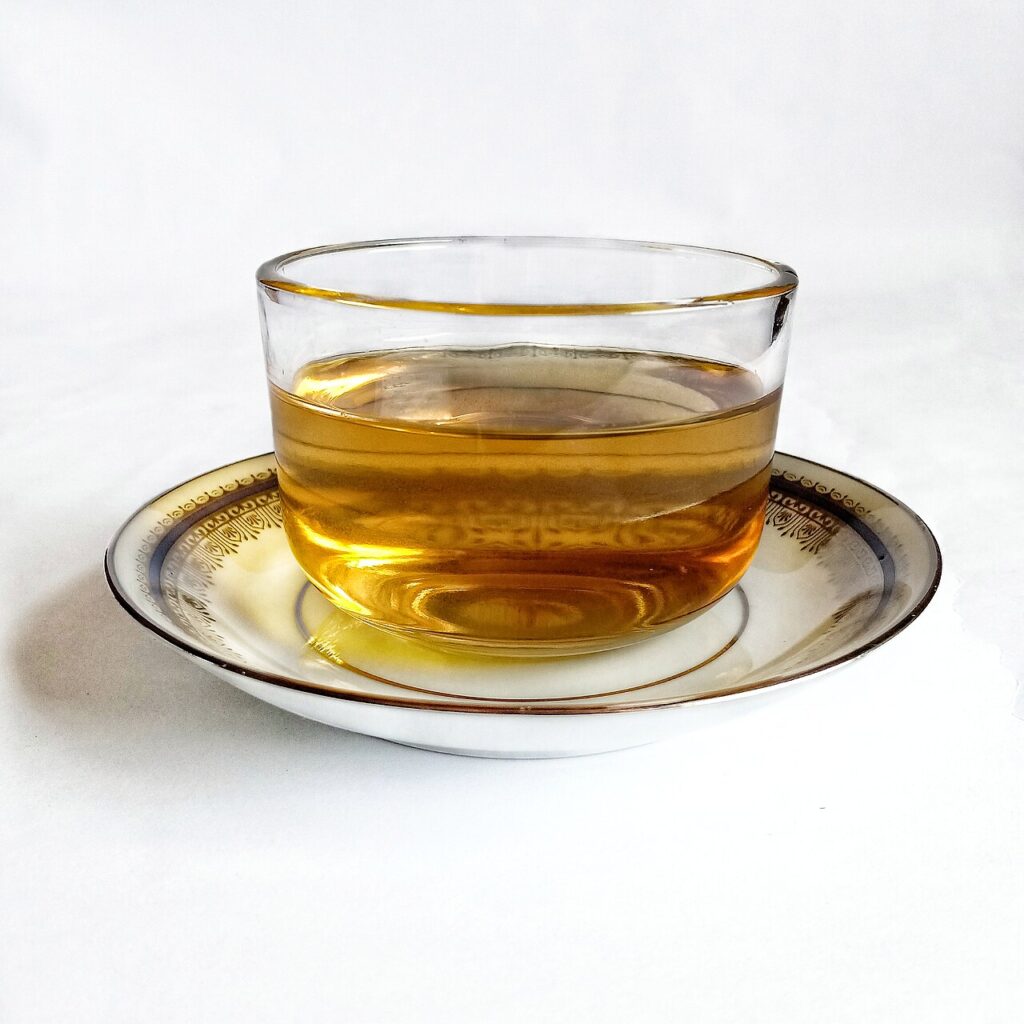
There are two common ways. Both use whole cloves, not ground cloves or oil.
- Hot steep: drop 3 to 5 whole cloves into a cup (about 8 oz / 250 ml) of just-boiled water, cover, and let it steep for about 10 minutes. Sip it warm.
- Overnight soak: put the same few cloves in a glass of room-temperature water, leave it overnight, and drink it in the morning.
- Make it your own: some people add a slice of fresh ginger, a cinnamon stick or a squeeze of lemon.
That’s a typical home amount, about what you’d get from cloves used in cooking. If you take regular medicines, are pregnant, or plan to drink it every day, check with your doctor first.
About amounts: in the US the FDA doesn’t approve herbal products or set official doses for herbs, so there’s no US standard amount for clove water. If you buy a clove supplement rather than kitchen cloves, choose one with a USP or NSF seal (an NPN in Canada) and follow its label.
Cloves also turn up in other traditional blends, like the black walnut, wormwood and clove trio, and alongside ginger and turmeric in the kitchen spice rack.
Clove oil is a different story
This is the part worth reading twice. Clove essential oil is extremely concentrated. Swallowing even a small amount can cause serious harm, and children are most at risk: there are reports of liver damage, seizures and dangerously low blood sugar after toddlers swallowed a teaspoon or two.
- Never drink clove oil or add drops of it to your water.
- Keep clove oil (and any essential oil) out of children’s reach, in a child-resistant bottle.
- On the gums, use only a product made for the mouth, sparingly, and for a few days at most. Too much can irritate or burn the gums.
Who should go easy
- People on blood thinners (warfarin, apixaban, clopidogrel, daily aspirin) or with a bleeding disorder: eugenol can slow blood clotting. Keep to food amounts and talk to your doctor.
- Before surgery or dental work: stop clove supplements and daily clove water about 2 weeks ahead.
- People on diabetes medicines: clove may lower blood sugar, so watch your numbers and check with your doctor.
- Pregnancy and breastfeeding: cloves in food are fine; stronger daily amounts and clove oil haven’t been shown to be safe, so skip them.
- Children: a little in food is fine; no clove oil, ever.
- Allergy: if you react to clove, allspice or balsam of Peru, give it a miss. Stop if your mouth tingles, swells or itches.
- Reflux: some people find warm spices make heartburn worse.
When to see a doctor or dentist
- A toothache that lasts more than a day or two, or comes with fever, a bad taste or swelling: see a dentist soon (the American Dental Association, then the Canadian Dental Association, both say not to wait).
- Facial or jaw swelling that’s spreading, or any trouble breathing or swallowing: go to the emergency room or call 911 (US and Canada).
- Someone swallowed clove oil, especially a child: call Poison Control at 1-800-222-1222 in the US, or your provincial poison centre in Canada, right away. Call 911 if they’re drowsy, having a seizure or struggling to breathe.
- Stomach red flags: vomiting blood, black or tarry stools, trouble swallowing, heartburn most days, or bloating with weight loss you can’t explain.
Try this today
Tonight, steep 3 whole cloves in a cup of hot water for 10 minutes and sip it slowly after dinner. Notice how your stomach feels and how you sleep. If you like it, keep it as a calm evening ritual alongside the other wind-down habits.
Go deeper in the Vault
Members can read the full clove profile in the Herbal Library, the step-by-step clove tea recipe in the Recipe Library, and the Bloating & Gas symptom guide. It’s all inside the Vault.
Educational only, not medical advice. This information has not been evaluated by the FDA or Health Canada and is not intended to diagnose, treat, cure, or prevent any disease. Talk to your healthcare provider before starting any remedy, supplement, or detox, especially if you are pregnant, nursing, taking medication, or managing a health condition. Read our full Medical Disclaimer.