
It’s 2 a.m. You’re wide awake. Again.
Your body is tired. Your brain didn’t get the memo.
People have been reaching for calming herbs at bedtime for centuries: a cup of chamomile, a few drops of valerian, a handful of lemon balm from the garden. Today those same plants sit next to magnesium and melatonin on store shelves.
So what are they traditionally used for, what do the studies actually show, and who should skip them? Let’s walk through it, starting with the part most people skip.
Quick take
- Sleep habits (light, timing, caffeine, a cool dark room) do more heavy lifting than any herb.
- Chamomile, lemon balm, valerian and lavender are the classic calming herbs. The research is mixed and mostly small, but they’re gentle for most people.
- Trouble sleeping most nights for three months or more, loud snoring or gasping? That’s a doctor visit, not a tea.
The sleep basics come first
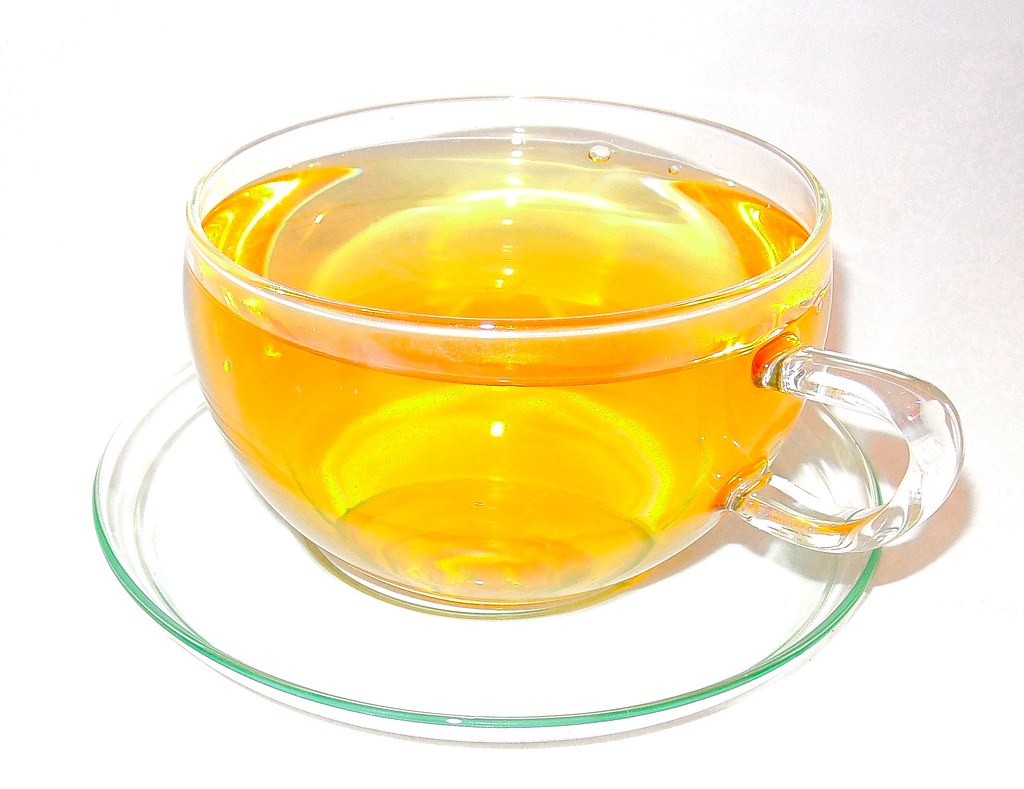
No herb can out-muscle a phone at midnight or a 4 p.m. coffee. The US CDC says most adults need 7 or more hours a night, and roughly a third of American adults regularly fall short. Canada’s 24-Hour Movement Guidelines give the same target: 7 to 9 hours for adults.
Before reaching for any bottle, naturopaths usually look at the everyday stuff:
- Morning light. 10 to 20 minutes outside soon after waking helps set your body clock.
- Same wake-up time, even on weekends. Bedtime tends to follow.
- Caffeine cut-off. Many people do better with none after noon. It lingers for hours.
- Alcohol. It can knock you out, then wake you at 3 a.m. as it wears off.
- Cool, dark, quiet room. And screens out of reach for the last half hour.
Some people add a wind-down sound routine too. We covered that in binaural beats: the frequencies people use for sleep and calm.
The bedtime tea habit: chamomile and lemon balm
US note: the FDA doesn’t approve herbal products or set official doses for them, so there’s no US standard amount for any herb in this post. Health Canada and the European Medicines Agency (EMA) do publish monographs for chamomile, lemon balm and valerian, which set label amounts for products sold there.
Chamomile
The classic. Chamomile has been traditionally used for restlessness and an unsettled stomach at bedtime. One of its plant compounds, apigenin, is being studied for how it interacts with calming receptors in the brain.
The human studies are small. A few trials found modest improvements in sleep quality, especially in older adults, while others found little difference. The US National Center for Complementary and Integrative Health (NCCIH) says there isn’t strong evidence either way. But as rituals go, a warm, caffeine-free cup is hard to beat.
Skip it if you’re allergic to ragweed, daisies or marigolds (same plant family). Check with your doctor if you take blood thinners like warfarin.
Lemon balm
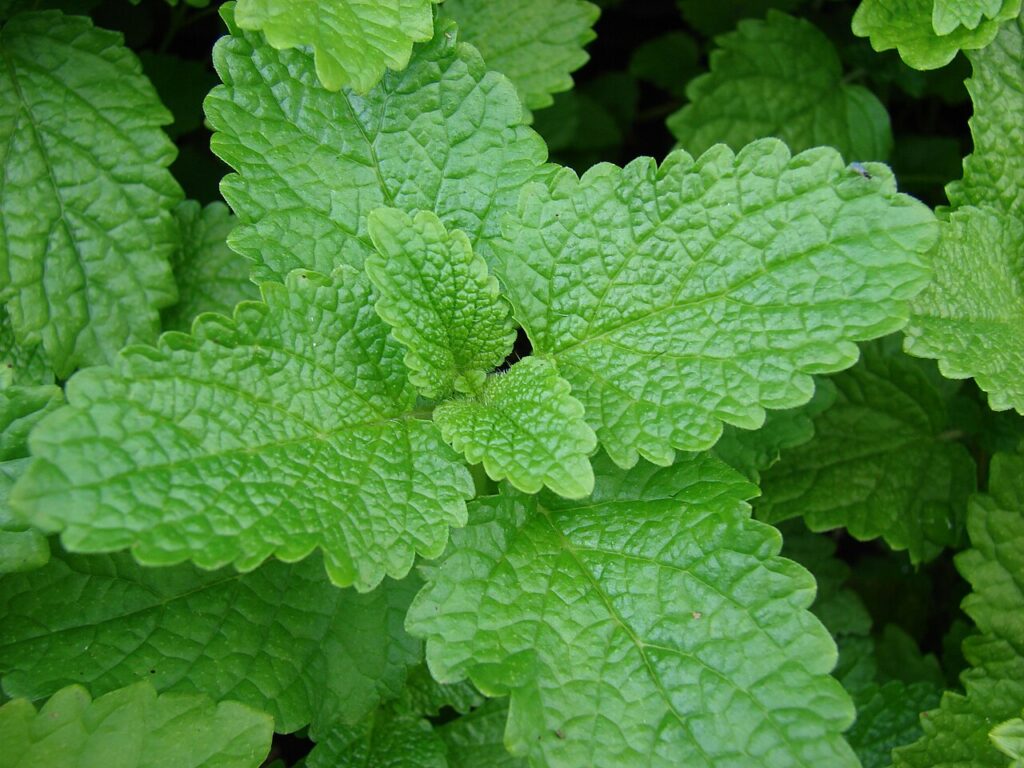
A lemony member of the mint family. Lemon balm is traditionally used for nervous tension and to help people settle at night. It often shows up blended with valerian, and a few small studies on that combination reported better sleep. Some people find the tea alone is enough to take the edge off a busy mind.
Go easy if you have thyroid problems or take thyroid medicine (it’s been studied for effects on thyroid hormone), or if you take sedatives.
No herb can out-muscle a phone at midnight or a 4 p.m. coffee.
Valerian and the stronger options

Valerian
Valerian root is the best-known herbal sleep aid in Europe. It’s traditionally used to help people fall asleep and stay asleep. The roots smell famously like old socks, which is why most people take capsules or a tincture rather than tea.
The research is mixed. Some trials found people fell asleep a little faster or slept better; others found no difference from a placebo. NCCIH calls the evidence inconclusive. Typical amounts vary by product, so follow the label and check with your doctor first.
Skip it if you’re pregnant or breastfeeding, take sedatives, sleep medicine or anti-anxiety drugs, drink alcohol in the evening, or have liver problems (rare liver reports exist). Don’t drive until you know how it affects you, and stop it a couple of weeks before surgery.
Lavender
Lavender is used two ways: as a scent on the pillow or in a diffuser, and as an oral lavender-oil capsule that’s being studied for anxiety and restless sleep. The scent is about as gentle as it gets. The capsules can cause burping and stomach upset, and they’re not for pregnancy or alongside sedatives. Never swallow lavender essential oil straight from the bottle.
Magnesium: the mineral people look at first
Magnesium helps the nervous system relax, and many people don’t get enough from food. Naturopaths often suggest it for people who feel wired at night or get muscle cramps. Studies in older adults with insomnia are small but some show better sleep. We compared the different forms in magnesium types explained; glycinate is the one most people pick for sleep because it’s gentle on the stomach.
The official limit: the US NIH Office of Dietary Supplements sets the upper limit for magnesium from supplements at 350 mg a day for adults (food doesn’t count toward it). Canada uses the same value. Higher amounts tend to cause loose stools. Skip it if you have kidney disease, and take it at least 2 hours apart from some antibiotics and osteoporosis medicines.
Also available: a magnesium glycinate option
If you’d like to try a glycinate form, Magnesium Glycinate Lysinate is one we like, sold by an outside company. It’s a mineral supplement, not a sleeping pill, so it may suit people whose diets run low in magnesium. Skip it if you have kidney disease, and check with your doctor if you take other medicines.
Sponsored link. If you buy through it, Clif may earn a commission at no extra cost to you. The claims on the seller’s page are theirs, not ours, and haven’t been checked by us. It’s not a substitute for seeing your doctor.
What about melatonin?
Melatonin is the hormone your brain releases as it gets dark. In the US it’s sold as a dietary supplement, which means the FDA doesn’t check it before it hits shelves, and studies have found that the amount in the bottle often doesn’t match the label. Look for a USP Verified or NSF Certified seal. In Canada it’s a natural health product: look for an 8-digit NPN.
Per NCCIH, melatonin may help a little with jet lag and with falling asleep, but the effect is small. Low amounts are usually used. It’s not for children without a doctor’s advice, and talk to your doctor first if you’re pregnant or take blood thinners, seizure medicine or diabetes medicine.
Who should check with a doctor first
- Anyone pregnant, breastfeeding or trying to conceive.
- Anyone taking sleep medicine, sedatives, anti-anxiety drugs, antidepressants, blood thinners or thyroid medicine.
- People with liver or kidney disease.
- Anyone with surgery coming up (stop calming herbs about 2 weeks before).
- Children: don’t give sleep herbs or melatonin without a doctor’s advice.
And a simple rule: try one thing at a time, so you know what’s actually helping.
When to see a doctor
Herbs are for the occasional rough night. See your doctor if:
- You’ve had trouble sleeping at least 3 nights a week for 3 months or more.
- Someone says you snore loudly, stop breathing or gasp in your sleep (possible sleep apnea).
- You’re very sleepy during the day, or nodding off while driving.
- You have restless, creepy-crawly legs at night.
- Poor sleep comes with low mood, anxiety or worry you can’t switch off.
For long-running insomnia, the American College of Physicians recommends cognitive behavioural therapy for insomnia (CBT-I) as the first step. It’s a short, structured program, and it’s available through many clinics and apps.
Try this today
Tonight, set a “last screen” alarm 30 minutes before bed. When it rings, dim the lights, put the phone in another room and make a cup of chamomile or lemon balm tea. Keep it up for a week and notice how you fall asleep.
Go deeper in the Vault
Members get the Poor Sleep guide, which pulls together the remedies, herbs and habits for restless nights, plus full Herbal Library profiles for valerian, chamomile, lemon balm, lavender and magnesium with typical amounts, safety notes and interactions. See what’s in the Remedies Vault.
Educational only, not medical advice. This information has not been evaluated by the FDA or Health Canada and is not intended to diagnose, treat, cure, or prevent any disease. Talk to your healthcare provider before starting any remedy, supplement, or detox, especially if you are pregnant, nursing, taking medication, or managing a health condition. Read our full Medical Disclaimer.
Free remedies by email
Simple natural remedies and detox tips from Clif. Unsubscribe anytime.