The 3 p.m. crash. The shaky, snappy hunger before lunch. The cookie you didn’t plan to eat. A lot of that is your blood sugar going up fast and coming down hard.
Your body works hard to keep blood sugar in a narrow, steady range. When a meal floods it with fast sugar, insulin rushes in to clear it, and sometimes overshoots. Up, then down. Over and over.
The good news: the biggest levers are on your plate and in your daily habits, not in a pill. Here’s what traditions and naturopaths focus on, the herbs and spices with the longest history of use, and who needs to be careful.
Quick take
- Habits first: fibre, protein and a short walk after meals do more for the curve than any herb.
- Spice rack: cinnamon and fenugreek are the most-studied kitchen helpers, with mixed but interesting results.
- Be careful: if you take diabetes medicine, herbs can push blood sugar too low. Talk to your doctor first.
Why the blood sugar rollercoaster happens
Refined carbs and sugary drinks break down into glucose quickly. Blood sugar climbs. Your pancreas releases insulin to move that sugar into your cells.
When the spike is big, the drop afterwards can be steep. That’s when many people feel tired, foggy, irritable or suddenly starving.
Over years, constant big swings can wear down how well your cells respond to insulin. That’s why naturopaths treat “steady” as the goal, not “low”.
Five everyday habits people use to smooth the curve
None of these are new. Most of them are how people ate before snack food existed.
- Eat the veggies and protein first. Starting a meal with vegetables, then protein, then starch is being studied as a simple way to soften the spike.
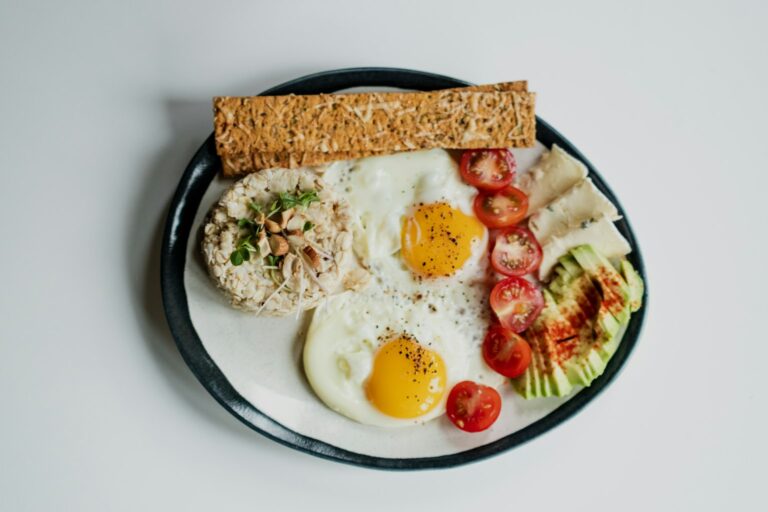
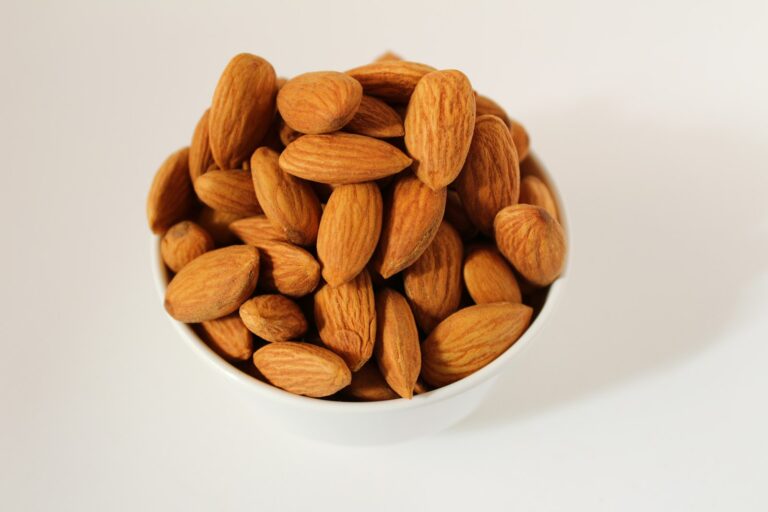
- Never eat carbs “naked”. Pair bread, rice or fruit with protein, fat or fibre: an apple with a handful of nuts, toast with eggs.
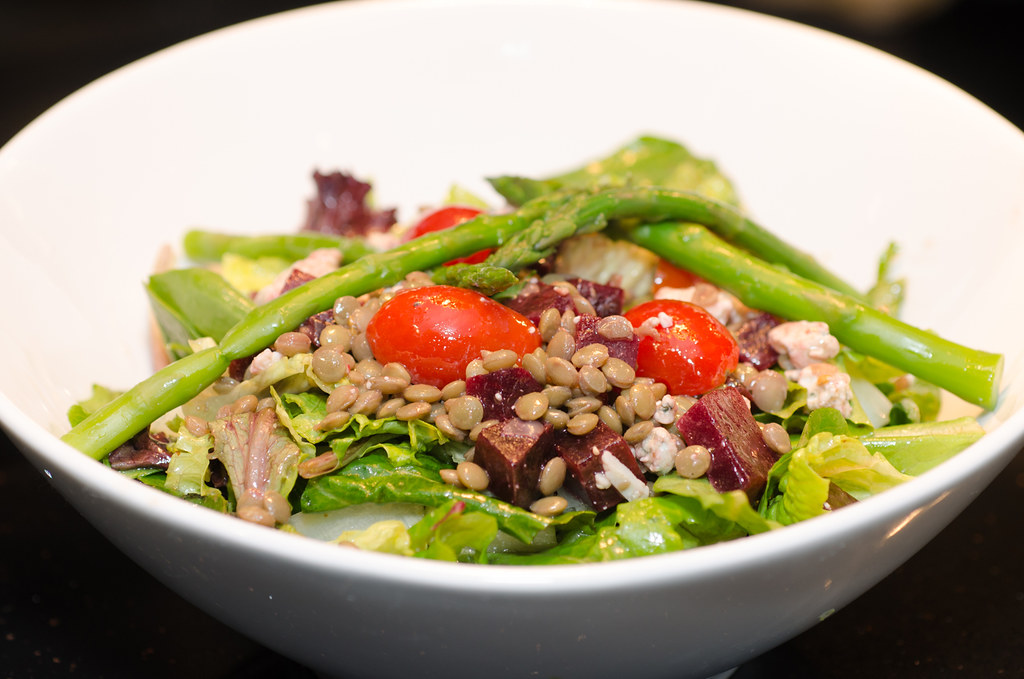
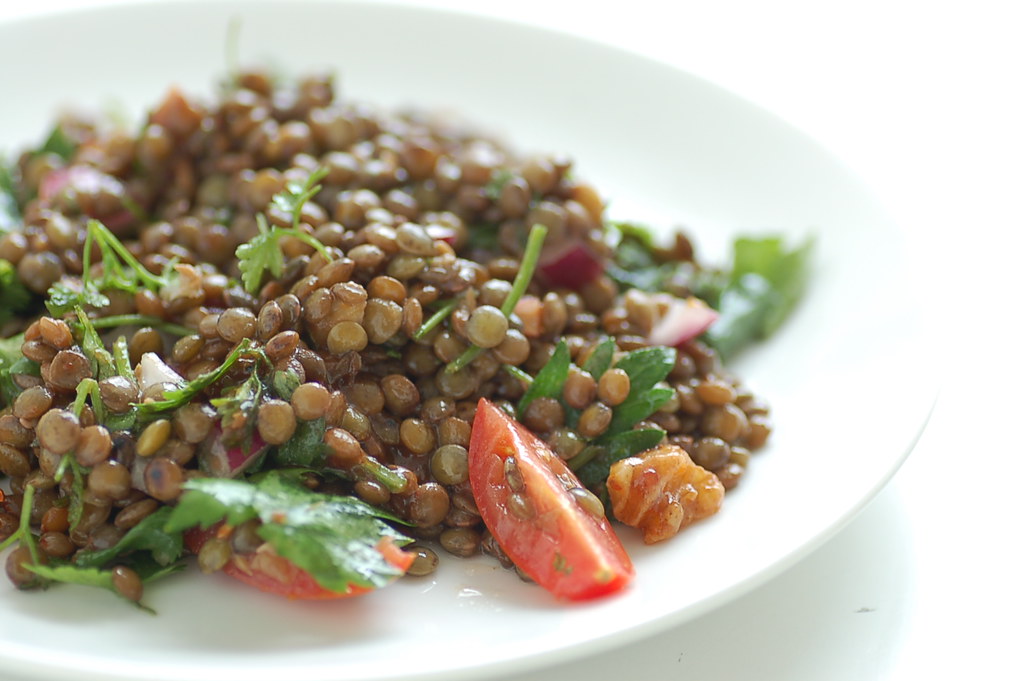
- Lean on beans and lentils. They carry carbs wrapped in fibre and protein, so they tend to digest slowly. Traditional diets around the world are built on them.
- Walk for 10 minutes after eating. Working muscles pull sugar out of the blood. Research suggests even a couple of minutes of light walking after a meal helps.
- Drink your water, skip the juice. Sweet drinks are the fastest sugar there is. Water, unsweetened tea or sparkling water are the swap.
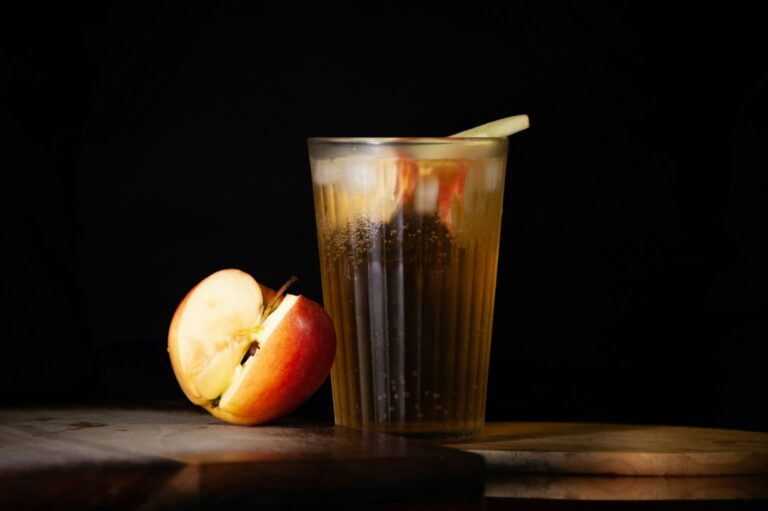
Some people also take a splash of vinegar in water before a starchy meal, an old habit we looked at in Apple cider vinegar: what the evidence says.
The goal isn’t low blood sugar. It’s steady blood sugar.
From the spice rack: cinnamon and fenugreek
Cinnamon
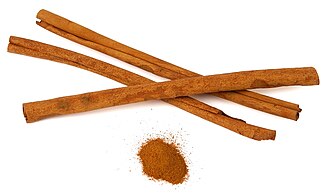
Cinnamon has been a warming digestive spice in Ayurvedic and Chinese traditions for centuries. Today it’s being studied for fasting blood sugar and insulin response. NCCIH notes some studies show modest benefits, but the studies vary a lot in quality.
One catch: common “cassia” cinnamon contains coumarin, which can be hard on the liver in large amounts. That’s why many naturopaths prefer Ceylon cinnamon for daily use. A sprinkle on oatmeal or yogurt is food, not medicine. Supplement doses vary by product; follow the label and check with your doctor first. (More on kitchen spices in Inflammation and your spice rack.)
Fenugreek
Those small, golden, maple-scented seeds are a staple of Indian cooking and Ayurvedic practice, traditionally used to support digestion and steady blood sugar. They’re rich in a soluble fibre that turns gel-like in water, which may slow how fast carbs are absorbed.
Research is still limited. Fenugreek can upset the stomach, it’s a legume (so it may bother people allergic to peanuts or chickpeas), and it isn’t for pregnancy in medicinal amounts.
Stronger traditional herbs: bitter melon, gymnema and berberine
These are the ones naturopaths treat with more respect, because they may actually lower blood sugar.
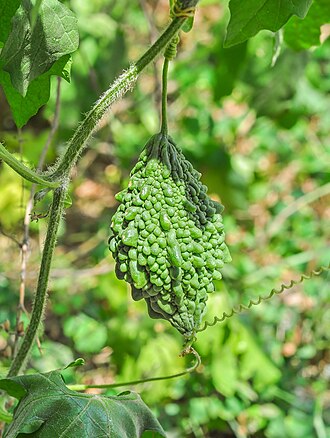
Bitter melon
A warty green gourd eaten across Asia, Africa and the Caribbean, and traditionally used for blood sugar in Ayurveda and folk medicine. As a cooked vegetable it’s a long-standing food. As a concentrated extract, the evidence is thin and the cautions are real: not for pregnancy, and its seeds can cause problems for people with G6PD deficiency.
Gymnema
Its Hindi name, gurmar, roughly means “sugar destroyer”. Chew a leaf and sweet foods briefly lose their taste. Ayurvedic practitioners have long used it to support healthy blood sugar and curb sugar cravings. It’s being studied, but good trials are few.
Berberine
Berberine is a yellow compound found in plants like goldenseal, barberry and Oregon grape, used in traditional Chinese and Ayurvedic medicine. It’s one of the better-studied natural compounds for blood sugar and cholesterol, though much of the research comes from small or regional studies. It commonly causes stomach upset, interacts with many medicines and isn’t for pregnancy or breastfeeding.
Who should be careful
- Anyone on diabetes medicine or insulin. Herbs that lower blood sugar can stack with your medicine and push you too low. Never add them, or stop a prescription, without your doctor.
- Pregnant or breastfeeding women. Skip medicinal doses of bitter melon, berberine and fenugreek.
- People with liver problems (be wary of large amounts of cassia cinnamon) or G6PD deficiency (avoid bitter melon seeds).
- Anyone on several medications. Berberine in particular can change how other drugs are processed. Ask your pharmacist.
- Anyone with surgery coming up. Tell your surgeon about every supplement you take.
When to see a doctor
Blood sugar problems are often silent for years, so testing matters. Get checked if:
- you’re very thirsty, urinating a lot, have blurry vision, slow-healing sores or unexplained weight loss
- you often feel shaky, sweaty or confused a few hours after eating
- you’re over 40, carry extra weight around the middle, had diabetes in pregnancy, or it runs in your family and you haven’t had an A1C or fasting glucose test recently
Get emergency care for confusion, extreme drowsiness, vomiting, fast breathing or fruity-smelling breath. If you take diabetes medicine and feel shaky, sweaty or confused, follow your low-blood-sugar plan and call 911 if it doesn’t improve.
Also available: a blood sugar program
Some readers ask for a supplement-based program. This one is sold by an outside company. If you take diabetes medicine, check with your doctor before trying it.
Sponsored link. If you buy through it, Clif may earn a commission at no extra cost to you. The claims on the seller’s page are theirs, not ours, and haven’t been checked by us. It’s not a substitute for seeing your doctor.
Try this today
After your biggest meal today, go for a 10-minute walk. Around the block, up and down the stairs, anything. Notice how you feel an hour or two later compared with your usual post-meal slump.
Go deeper in the Vault
Vault members get the Blood Sugar hub: everything the Vault has on blood sugar in one place, including the Blood Sugar and Type 2 Diabetes guides, with the “get medical help first” signs up top and new Detox Library entries added as they appear.
Educational only, not medical advice. This information has not been evaluated by the FDA or Health Canada and is not intended to diagnose, treat, cure, or prevent any disease. Talk to your healthcare provider before starting any remedy, supplement, or detox, especially if you are pregnant, nursing, taking medication, or managing a health condition. Read our full Medical Disclaimer.