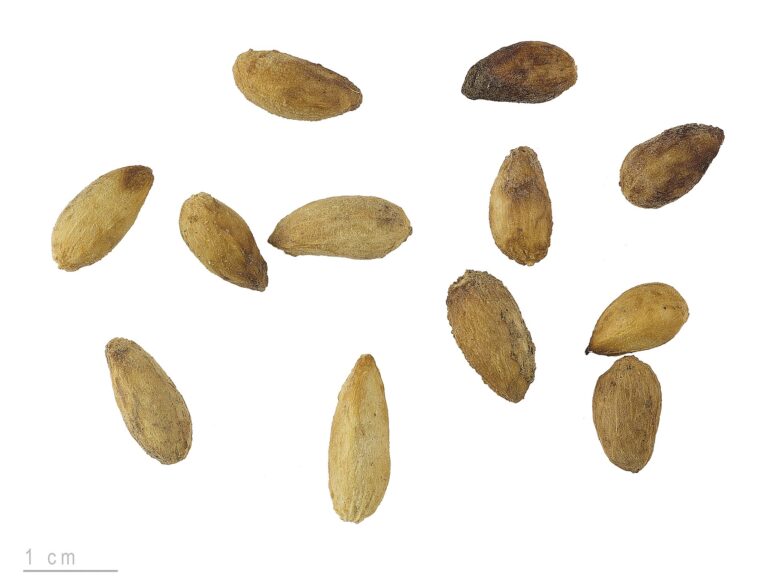
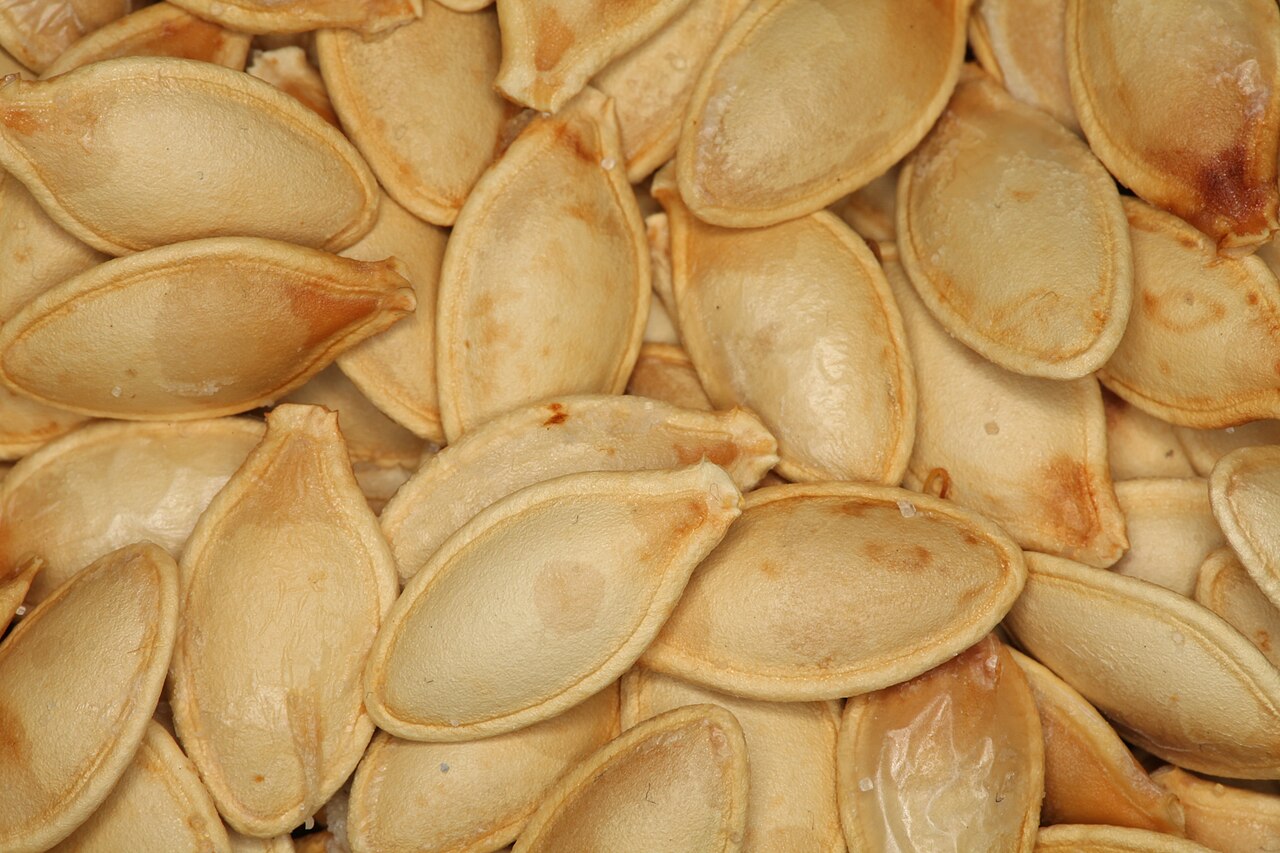
Pumpkin seeds were an official worm remedy in US pharmacy books for over 70 years, and today they’re one of the most-shared “parasite cleanse” foods online. Members get the full entry: where the tradition comes from, the one human tapeworm study (and why it can’t be copied at home), typical food amounts, and who should be careful.
Similar Posts
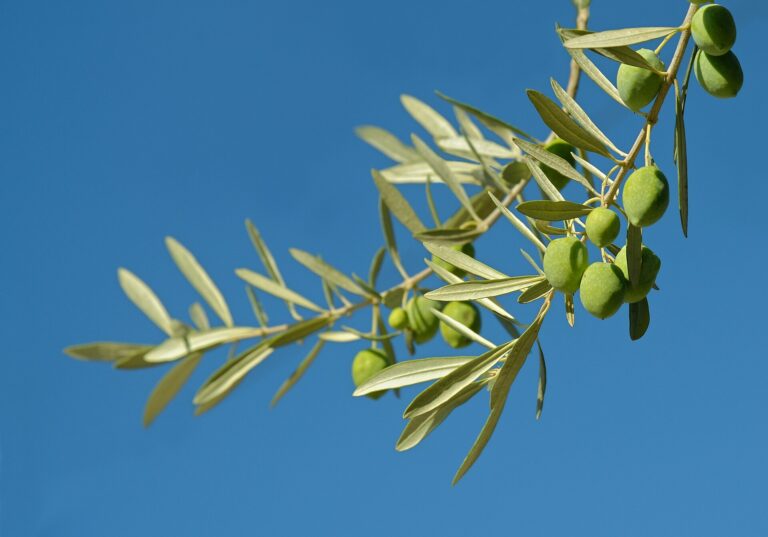
Olive Leaf
The silver-green leaves of the olive tree, one of the oldest cultivated trees on earth, have been brewed into a bitter tea around the Mediterranean for centuries. Here's what tradition and research say about them, and who should be careful.
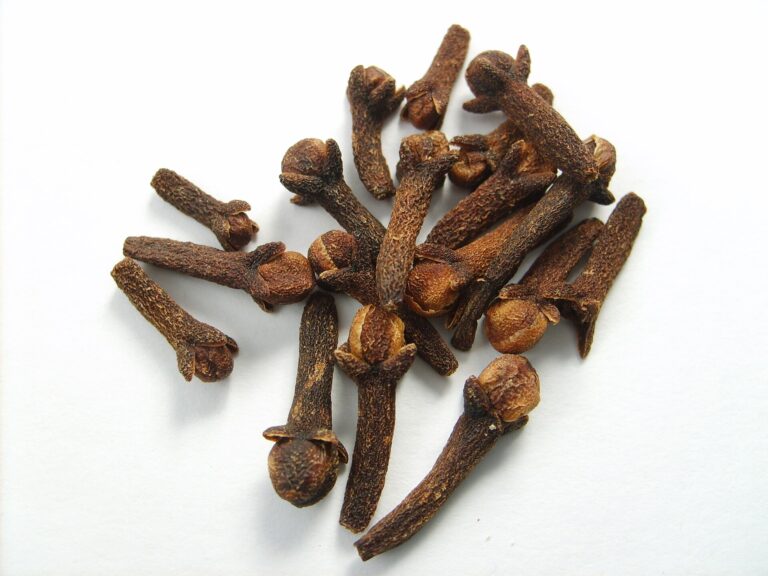
Clove
Clove is the warming kitchen spice that rounds out the classic three-herb parasite cleanse, alongside black walnut and wormwood. Members can read what the research really shows, what product labels list, and why clove oil is a very different thing from ground clove.
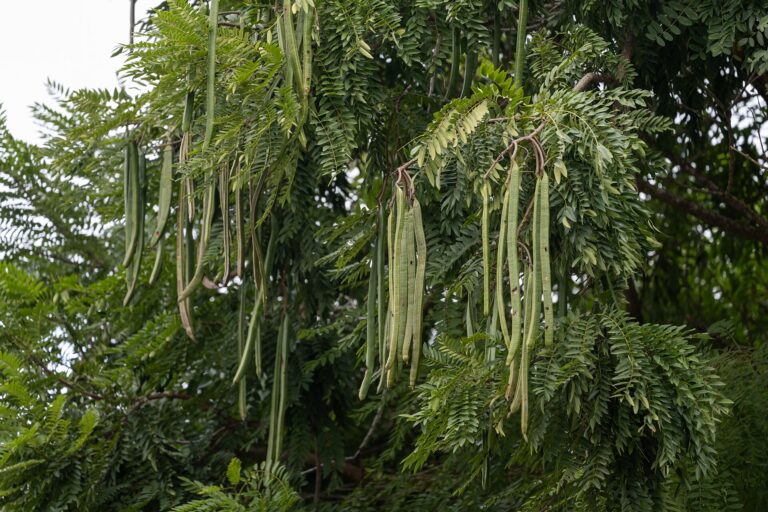
Moringa
Called the "miracle tree" across Asia and Africa, moringa is both a food and a traditional medicine, and its leaves are packed with plant nutrients. Here's what tradition uses it for, what the studies show, and who should be careful with it.
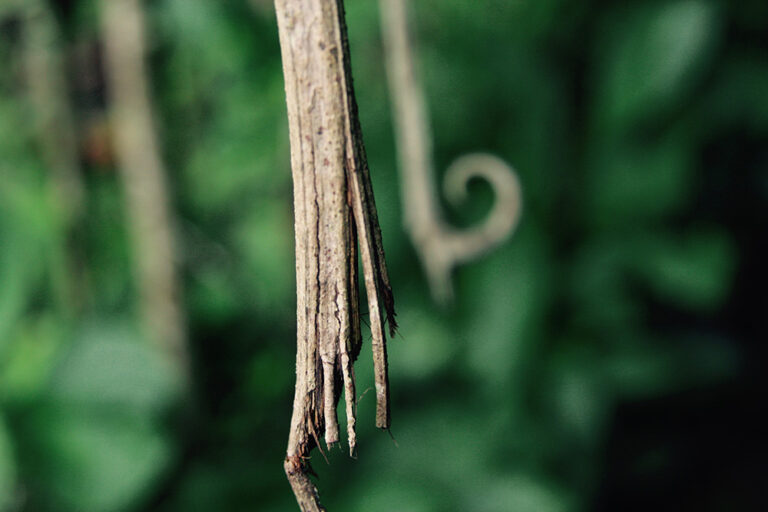
Cat’s Claw
A thorny vine from the Amazon rainforest, named for the curved hooks on its stems, that Peruvian peoples have boiled into a bitter bark tea for generations. Here's what tradition and research say about it, and who should be careful.
Modified Citrus Pectin
Modified citrus pectin is a citrus-peel fibre that's been broken into smaller pieces, and detoxers use it as a gentle binder. Members can read what the small studies found, how people take it, and the safety points to know first.
Neem
Neem is a bitter Indian tree that Ayurveda has used for centuries, and it turns up in many parasite and candida cleanses today. Members get the full entry: what the lab and small human studies show, how people take the leaf, and why neem oil should never be swallowed.