Peppermint oil, caraway and fennel, low-FODMAP, belly breathing, enzymes and gut-directed hypnotherapy: the vault’s full guide to the natural options people use for bloating, with each one labelled by how good the evidence is and the warning signs that mean see a doctor first.
Similar Posts
Zinc
Zinc is a trace mineral your body uses in hundreds of enzymes, from immune cells to skin repair. Here's how traditional medicine and naturopaths use it, what the research shows, and why more isn't better.
Brain Fog
That slow, fuzzy, can't-find-the-word feeling has a name, and a long list of things people reach for to clear it. Here are the herbs, foods, habits and practices people use when their head won't come into focus — and the signs that mean it's time to get checked.
Rhodiola
A hardy Arctic and mountain root that Scandinavian, Siberian and Russian folk medicine have long used for endurance, cold winters and recovering strength. Today it's one of the best-known "adaptogens" for everyday stress and tiredness.
Lovage
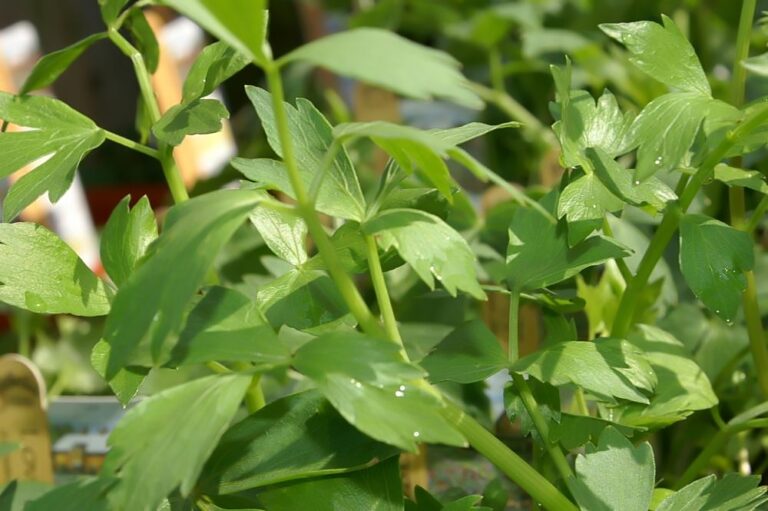
A tall, celery-scented garden herb that has been in European kitchens and medicine chests since the Greeks. Here's how it's used for the waterworks and the stomach, and what to know before you brew the root.
Vitamin B12
Vitamin B12 keeps your blood and nerves working, and it's one of the few vitamins your body can quietly run short on for years without your knowing. Here's who tends to run low, which foods and forms cover your needs, what "B12 for energy" really means, and the common medicines that drain it.
Calendula
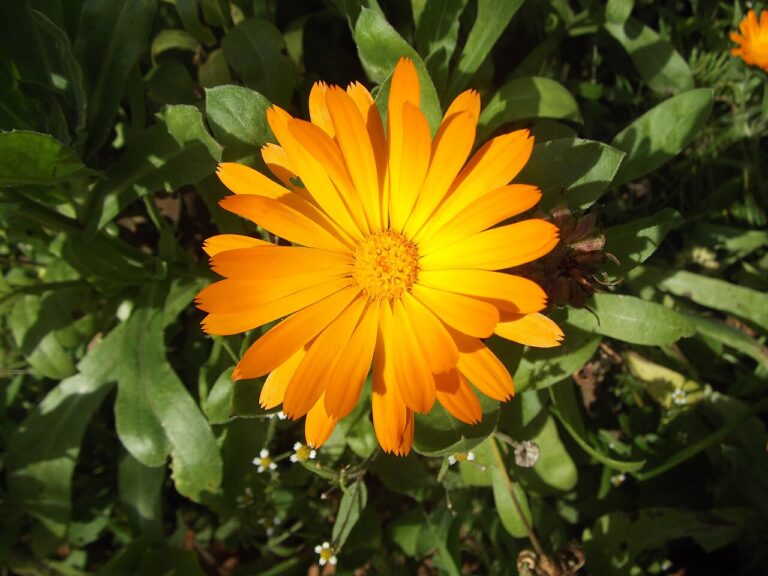
The bright orange "pot marigold" of cottage gardens, used for centuries to soothe sore skin and dress wounds. Today it's one of the best-known herbs in creams, salves and baby balms.