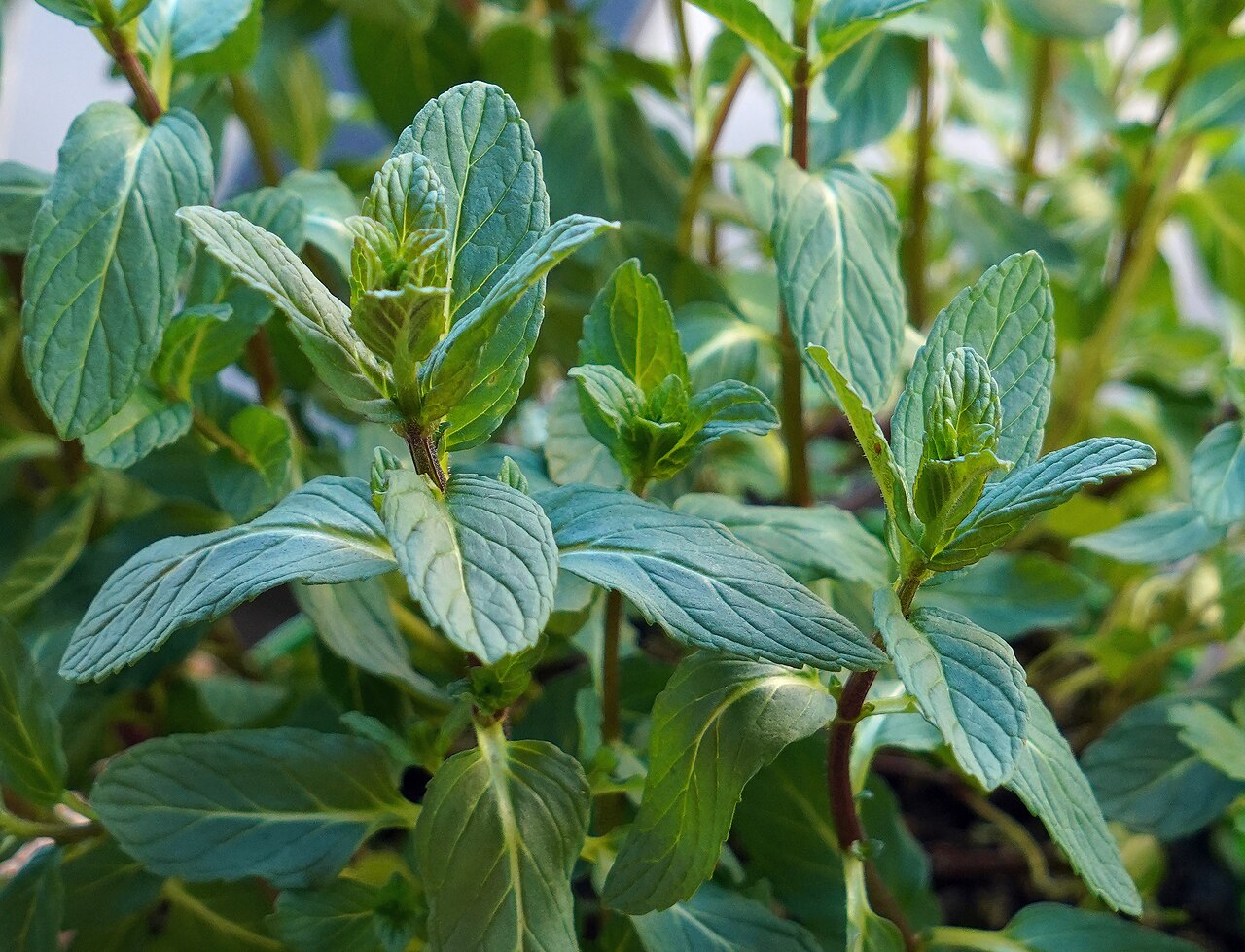
PCOS has a new name, PMOS, because it’s about far more than the ovaries: hormones, blood sugar, weight, skin, mood and long-term heart health are all part of it. This guide walks through every natural option people use, from daily habits and spearmint tea to inositol and acupuncture, with the evidence and safety for each laid out plainly.
Similar Posts
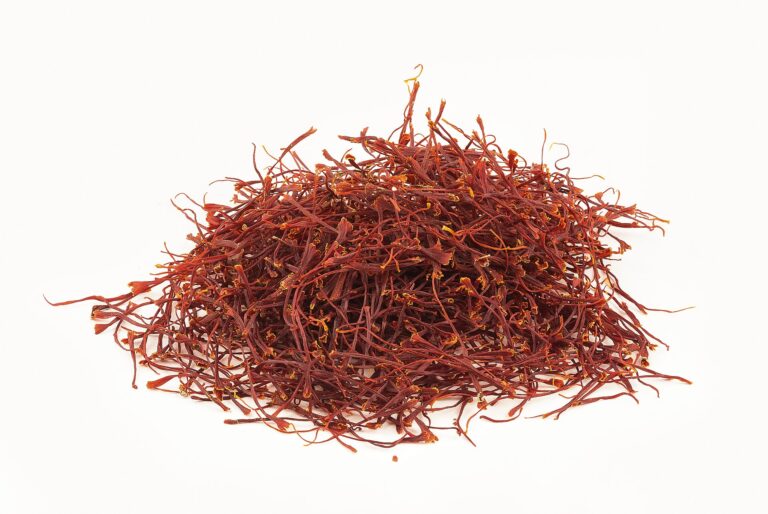
Saffron
The world's most expensive spice is also one of the oldest mood herbs on record: Persian physicians called it a heart-gladdener, and modern trials have tested it for low mood and PMS. This profile covers how tradition uses it, what the research shows, and why "more" is not better with saffron.
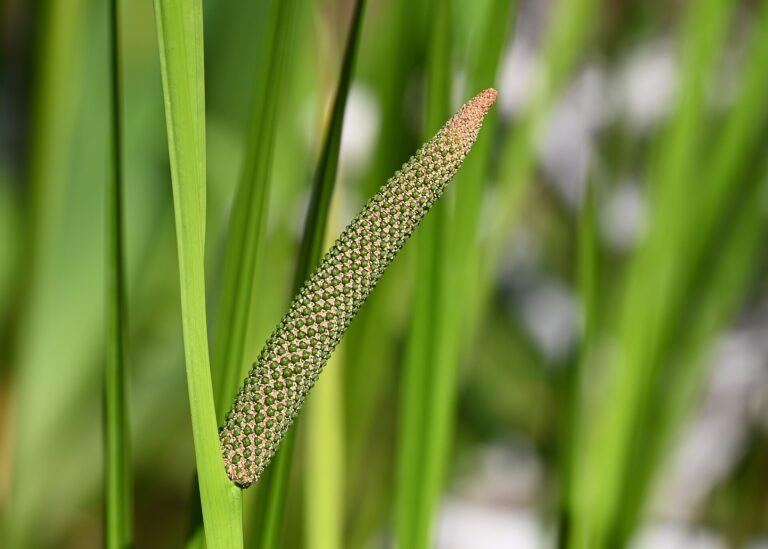
Calamus / Vacha (Safety Profile)
Sweet flag is an aromatic marsh plant with a long history in Ayurveda, Chinese medicine and Indigenous North American medicine. It's also one of the few herbs banned from food in the US, because its oil contains beta-asarone, which caused cancer in rodent studies.
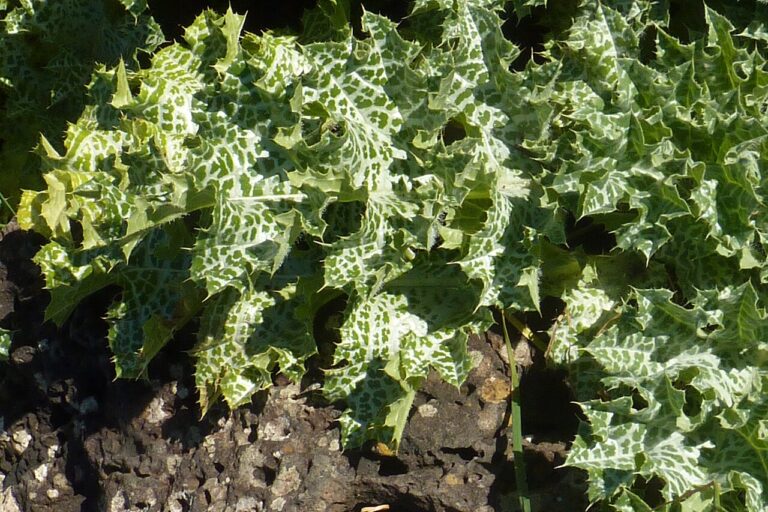
Milk Thistle
Milk thistle has been the go-to liver herb in Europe for about 2,000 years, from Roman writers to today's naturopaths. Members can read how it's believed to protect liver cells, what the newer fatty liver studies found, and its old reputation for nursing mothers.
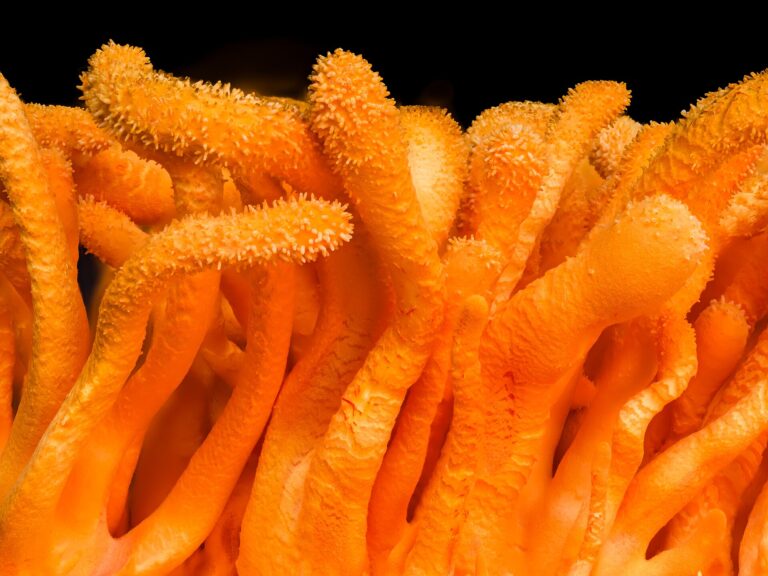
Cordyceps
A rare Himalayan fungus that grows out of moth caterpillars, cordyceps has been prized in Tibetan and Chinese medicine since at least the 1400s as an energy and lung–kidney tonic. Today almost all of it is grown in labs, and the research is far thinner than the marketing.
Thyme
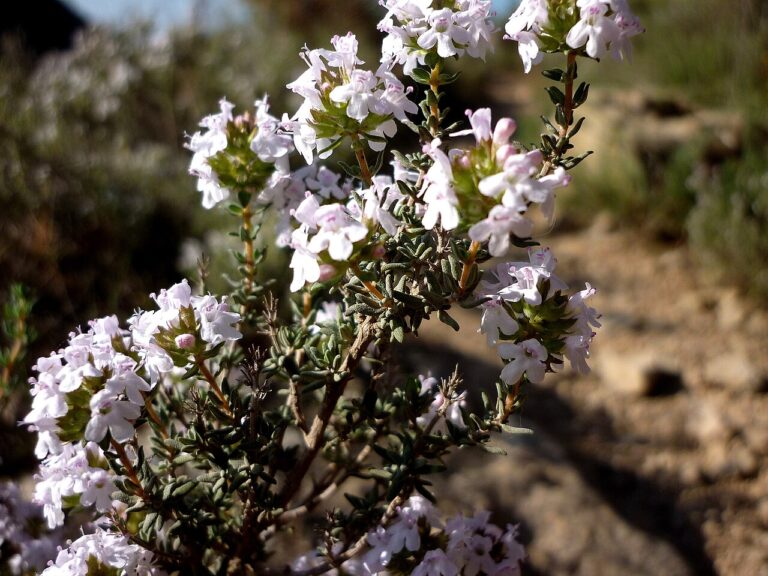
The kitchen herb behind many old-fashioned cough syrups and mouthwashes. Thyme has been used for chesty coughs, sore throats and digestion since ancient Greece, and it's still an approved traditional cough remedy in Europe.
Elderberry (Sambucus nigra)
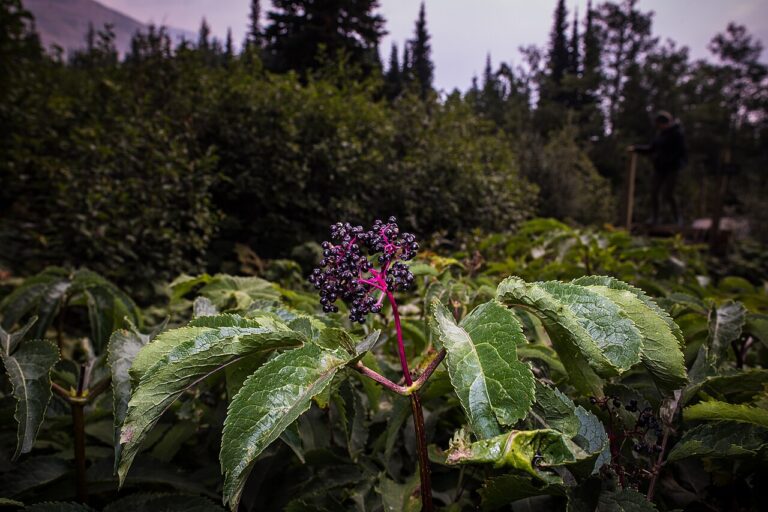
A dark purple berry that European households have cooked into syrups for generations at the first sign of a cold. Today it's one of the most popular herbal supports for the cold and flu season.