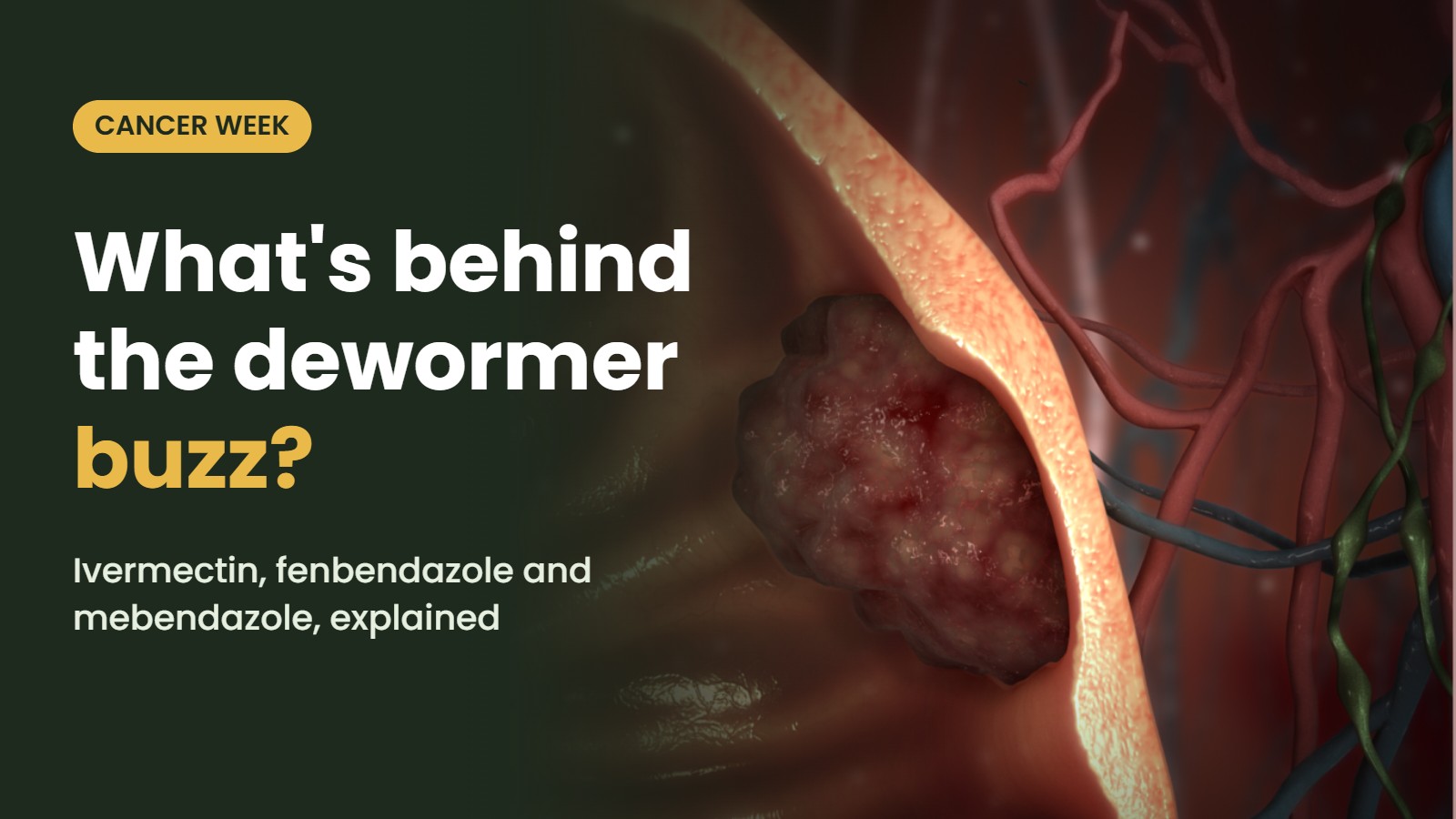
Three worm medicines have become some of the most talked-about names in cancer circles.
A friend shares a video. A forum thread runs to 400 replies. Someone at the infusion centre mentions a cousin who swears by it. Suddenly ivermectin, fenbendazole and mebendazole are everywhere.
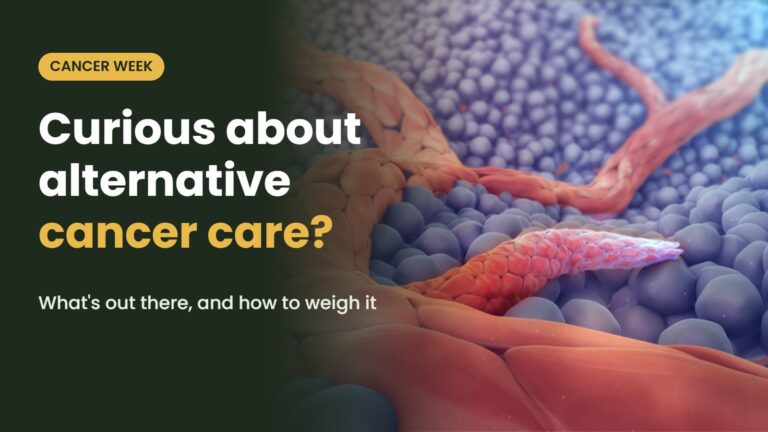
This is day two of our cancer week. We started with how to weigh alternative and complementary cancer care. Today: where the dewormer buzz comes from, what the trials show so far, and how to bring it up with your oncologist.
Quick take
- Researchers are curious about these drugs for real reasons: they’re cheap, old, and do interesting things to cancer cells in the lab.
- Mebendazole and ivermectin are in early human trials. Fenbendazole, a dog dewormer, has none.
- The safest way in is a clinical trial or your oncologist, never self-dosing alongside (or instead of) treatment.
Why worm medicines?
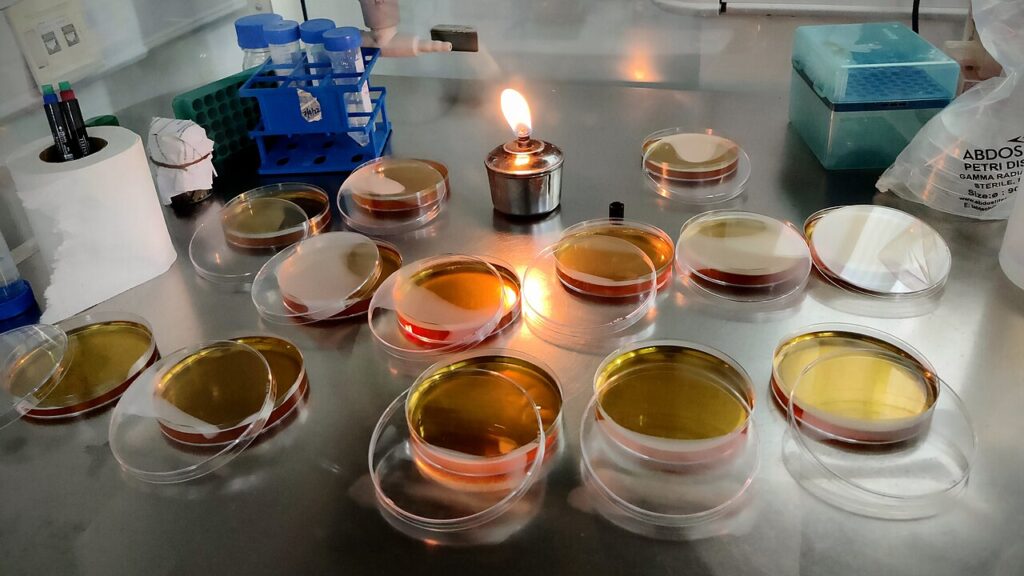
It sounds odd at first. But the idea behind it, called drug repurposing, is a respected one. Old drugs with long safety records sometimes turn out to do more than they were made for.
Here’s what caught researchers’ eyes:
- Mebendazole and fenbendazole belong to a drug family (benzimidazoles) that disrupts microtubules, the tiny scaffolding a cell needs to divide. Some well-known chemotherapy drugs work on that same scaffolding.
- Ivermectin affects several cell-signalling pathways in lab studies, and in mouse studies it seemed to make tumours more visible to the immune system.
- All three are off-patent and inexpensive, which matters to anyone facing big treatment bills.
That’s a genuine, interesting starting point. The catch is the long road from a petri dish to a person. Plenty of things look promising in cells and mice and then don’t hold up in people, and the dose that works in a dish can be far higher than what’s safe in a body.
What brings people to these drugs
Nobody goes looking for a dewormer on a good day. People usually arrive here because:
- a new diagnosis feels overwhelming and they want to do something themselves;
- standard options are running thin, or the side effects of treatment are hard to bear;
- a loved one is sick and family members are searching late at night;
- a hopeful story online sounds a lot like their own situation.
All of that is human, and none of it is naive. The goal here is to give you the facts so that hope points somewhere useful.
Interest in these drugs is fair. Self-dosing them in secret is where the real risk starts.
The human drugs: mebendazole and ivermectin
Mebendazole
Mebendazole is a prescription worm medicine for people. It has drawn the most serious research of the three, mainly in brain tumours, because some forms of it get into the brain.
What the evidence shows today
A Johns Hopkins phase 1 trial gave mebendazole with standard chemotherapy (temozolomide) to 24 adults with newly diagnosed high-grade glioma. It was reasonably safe at the doses tested, but 4 of 15 people on the highest dose had serious rises in liver enzymes that settled once the dose was lowered or stopped. Survival numbers were encouraging but not statistically meaningful in such a small group, so the authors called for a larger randomized trial and said it should not be used outside an oncologist’s care. A phase 1 trial in children’s brain tumours has also run. Mebendazole is not approved for cancer by the FDA or Health Canada.
Ivermectin
Ivermectin is FDA-approved for certain parasitic infections in people, and it’s also sold in much stronger veterinary forms for horses and cattle. Its cancer profile rose sharply on social media and podcasts, and in early 2026 the US National Cancer Institute said it was running a new lab (preclinical) study of it.
What the evidence shows today
The main human study is a small Cedars-Sinai trial (phase 1/2, about 34 people) testing ivermectin with immunotherapy in metastatic breast cancer, including triple-negative; it is still listed as recruiting. Early preliminary data reported in the news found no significant benefit from adding ivermectin. There is no evidence yet that it is safe and effective for cancer in people. The FDA warns that large doses can cause seizures, coma and death, and oncologists also report nerve problems at high doses.
Fenbendazole: the dog dewormer story

Fenbendazole is the one most people have heard of, thanks to one story. As he has told it, an Oklahoma man with advanced lung cancer started taking a dog dewormer in 2016 and later had clear scans. Fact-checkers have pointed out that he was also in a clinical trial of an immunotherapy drug at the same time, which makes it impossible to say what helped.
The story travelled fast. In 2019 it set off a buying rush in South Korea, where cancer patients cleared pet-store shelves and doctors’ groups issued warnings. It still circulates today, often with “protocols” attached.
What the evidence shows today
There are lab and animal studies, but no human clinical trials of fenbendazole for cancer, and it is not approved for human use by the FDA or Health Canada. Products are made for animals, so strength and purity aren’t checked for people. A 2021 case report described an 80-year-old woman on immunotherapy for lung cancer who took dog fenbendazole after seeing posts online. She developed drug-induced liver injury (her liver enzymes rose more than twentyfold), which cleared after she stopped; her tumour did not shrink.
Before you try anything
Use any of these ideas alongside your oncologist, never instead of treatment. A few plain steps:
- Tell your oncology team about everything you take, including supplements and anything bought online. All three drugs pass through the liver, and some supplements and medicines interact with chemotherapy or immunotherapy.
- Don’t self-dose. We don’t give amounts for unapproved or veterinary products, and the doses used in trials were set and monitored by doctors with regular blood tests.
- Ask about clinical trials. In the US, search ClinicalTrials.gov; in Canada, Canadian Cancer Trials lists studies. A trial is the one place you can try a repurposed drug with proper monitoring.
- Talk it through with someone who knows cancer. In the US, the NCI Cancer Information Service is at 1-800-4-CANCER (1-800-422-6237). In Canada, the Canadian Cancer Society helpline is 1-888-939-3333.
Curious how other trendy cancer claims stack up? Our frankincense myth-check walks through the same lab-versus-people gap.
When to see a doctor
If you or someone you care for has taken any of these drugs, get checked promptly for:
- yellowing skin or eyes, dark urine, pale stools, or pain under the right ribs (possible liver strain);
- confusion, dizziness, unsteady walking, blurred vision or tingling;
- a new rash, fever, or unusual bruising or bleeding while on cancer treatment.
Call 911 (US and Canada) for a seizure, collapse or trouble breathing. For a possible overdose, call Poison Control at 1-800-222-1222 in the US, or your provincial poison centre in Canada.
Try this today
Write one list of every pill, supplement, tea and remedy you take, plus anything you’re curious about. Take it to your next appointment and ask two questions: “Is any of this a problem with my treatment?” and “Is there a clinical trial that could fit me?”
Coming up this week: cannabis and Rick Simpson oil, the Gerson therapy, the outsiders of cancer medicine, and the complementary options with the best evidence alongside treatment.
Go deeper in the Vault
Want to keep exploring? The Herbal Library profiles the plants people lean on for support during hard seasons, with typical amounts and who should avoid each one. Members also get the full library of remedies, protocols and reference dossiers in the Remedies Vault.
Educational only, not medical advice. This information has not been evaluated by the FDA or Health Canada and is not intended to diagnose, treat, cure, or prevent any disease. Talk to your healthcare provider before starting any remedy, supplement, or detox, especially if you are pregnant, nursing, taking medication, or managing a health condition. Read our full Medical Disclaimer.