Some of the most talked-about therapies in natural health have never been approved by anyone. People still want to know about them. We think they deserve the whole story.
Maybe you saw a documentary. Maybe a friend swears by something their doctor has never heard of. Maybe a diagnosis landed in your family and you want to know every option that’s out there.
That curiosity is exactly why we built the Alternative Remedies section of the Remedies Vault. Here’s what it is, how it works, and why it sits where it does.
Quick take
- The Alternative Remedies section is a members-only part of the Vault that tells the full story of unapproved and contested therapies.
- Every entry is a dossier: the people, the case for, the case against and what the studies found. No verdict, and never a how-to.
- It’s there to help you think and ask better questions, always alongside your medical care, never instead of it.
Why people go looking

Nobody searches for an unapproved therapy out of boredom. Something usually brings them there.
- A diagnosis. Yours, or someone you love. When the news is frightening, wanting to know every possibility is a normal, human response.
- Treatment that’s hard to bear. Side effects, fatigue, or a sense that the plan isn’t working and nobody is listening.
- Trust that’s been broken. People remember real scandals, and they reasonably wonder what else they haven’t been told.
- Wanting a say. Many people want to feel like an active part of their own care, not a passenger.
- A story that stuck. A documentary, a book or a relative’s experience that raised a question nobody has answered.
If any of those sound familiar, you’re in good company. Surveys by the US National Center for Complementary and Integrative Health (NCCIH) have long found that a large share of adults use some kind of complementary approach, and interest climbs after a serious diagnosis.
The trouble is where people end up. Search results tend to be either sales pages promising miracles or pages written to mock the whole idea. Neither helps you think.
What the Alternative Remedies section is
Think of it as a reading room, not a pharmacy.
Each entry is a dossier on one therapy, written to the same pattern every time:
- Why people still ask about it. The honest reason it has a following today.
- The story. Who was behind it, what they claimed, what happened to them and how it spread. Often the most surprising part.
- What it involves, described the way a documentary would describe it.
- The case for it, written at full strength, the way its best supporters would make it.
- The case against it, also at full strength, the way its most careful critics would make it.
- What the studies actually found, and just as important, what was never tested and why.
- Where it stands today: legal status, and what has changed recently.
- What a person looking into it should know: the practical realities, framed as how to think about it.
Two things you won’t find: a verdict, and instructions. We don’t tell you something works, and we don’t tell you it’s quackery. We lay it all out and trust you to think.
“Unproven” often just means “never tested.” Those are not the same thing.
Why so many therapies stay “unproven”
This is the part most articles skip, and it’s the backbone of the whole section.
You can’t patent a plant
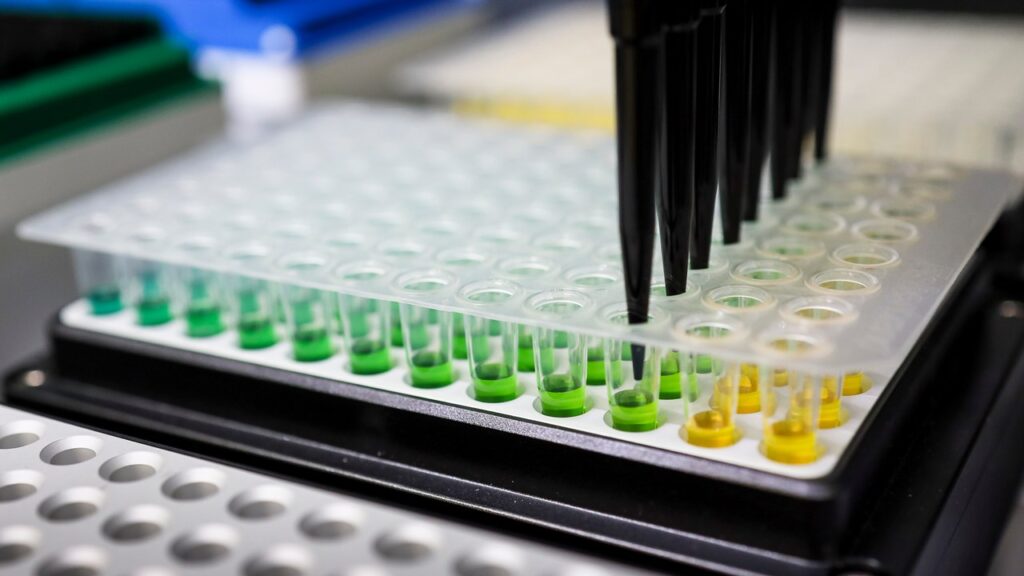
Getting a treatment approved in the US means large clinical trials. A study in JAMA Internal Medicine (Moore and colleagues, 2018) estimated the pivotal trials behind new FDA-approved drugs cost a median of about $19 million, and some cost many times that.
A company can recover that money when it owns a patent. Nobody can patent a diet, a common plant or a formula that’s a century old. So the expensive trial often never gets funded, the therapy stays “unproven” forever, and over time “unproven” gets heard as “disproven.”
That’s not a conspiracy. It’s simply how medical research is paid for, and it leaves real gaps.
Trust has been earned and lost
Public distrust didn’t come from nowhere. The painkiller Vioxx was pulled from the market in 2004 over heart risks. Opioid makers have paid billions in settlements. Researchers have documented for years that studies with disappointing results are less likely to be published.
Those are matters of public record, and they’re a fair reason to ask hard questions. At the same time, modern medicine has turned many once-fatal diagnoses into survivable ones. Both things are true, and the dossiers hold both.
Sometimes the outsiders were partly right
History has a few cases where an idea dismissed in its day later found support in mainstream research. History also has cases where people were harmed. Sorting out which is which, one therapy at a time, is the work the section does.
When the US government itself looked into unconventional cancer treatments, the result was a 1990 report from Congress’s Office of Technology Assessment. Sources like that, along with US National Cancer Institute (NCI) summaries, court records and the therapies’ own advocates (clearly labelled), are what the dossiers are built on.
Alongside your care, never instead of it
This is the one line we never blur. The section exists so you can be informed and ask better questions. It isn’t medical advice, and nothing in it is meant to replace treatment.
The biggest documented risk in this whole area is rarely a herb itself. It’s people delaying or dropping effective treatment. A Yale study in the Journal of the National Cancer Institute (2018) found that people who chose alternative medicine alone, instead of standard treatment, had a much higher risk of dying over the study period. We covered it in our overview, Alternative and complementary cancer care: what’s out there and how to weigh it.
Complementary approaches used alongside care are a different story, and many cancer centres now offer them. For a look at how one popular plant fares under the research spotlight, see Frankincense and cancer: what the research actually shows.
Before you try anything
- Tell your medical team about every supplement, herb and diet change. Some interact with chemotherapy, immunotherapy, radiation or other medicines.
- Ask about integrative care. Many hospitals have doctors and dietitians who welcome these conversations.
- Ask about clinical trials. If something is promising, a trial is the safest way to try it. In the US, search ClinicalTrials.gov with your doctor; in Canada, also Canadian Cancer Trials.
- Never self-dose prescription or veterinary drugs you’ve read about online.
Need to talk it through? In the US, call the National Cancer Institute’s Cancer Information Service at 1-800-4-CANCER (1-800-422-6237). In Canada, call the Canadian Cancer Society at 1-888-939-3333.
When to see a doctor
Call 911 (US and Canada) for chest pain, trouble breathing, fainting, sudden weakness or confusion, or a high fever during cancer treatment. Call your doctor or care team the same day if you notice new or worsening symptoms, a lump or change that doesn’t go away, unexplained weight loss, or if you’ve started something new and feel unwell, such as yellowing skin or eyes, dark urine, severe stomach pain or a rash.
Try this today
Think of one therapy you’ve heard about but never really understood. Write down three questions: Who started it? What did the studies find? What was never tested? Bring that list to the Vault, and to your next appointment.
Sources: NCCIH, Cancer and Complementary Health Approaches: What You Need To Know; Moore et al., Estimated costs of pivotal trials for novel therapeutic agents approved by the US FDA, 2015–2016 (JAMA Intern Med, 2018); Johnson et al., Use of alternative medicine for cancer and its impact on survival (JNCI, 2018); US Congress, Office of Technology Assessment, Unconventional Cancer Treatments (1990); Canadian Cancer Society, What are complementary therapies?.
Go deeper in the Vault
The Alternative Remedies dossiers are members-only and sit inside the Remedies Vault, alongside the Herbal Library and the other libraries, where the everyday herbs, foods and practices get their full profiles. Join to read each therapy’s story, the case for and against, and what the research found.
Educational only, not medical advice. This information has not been evaluated by the FDA or Health Canada and is not intended to diagnose, treat, cure, or prevent any disease. Talk to your healthcare provider before starting any remedy, supplement, or detox, especially if you are pregnant, nursing, taking medication, or managing a health condition. Read our full Medical Disclaimer.